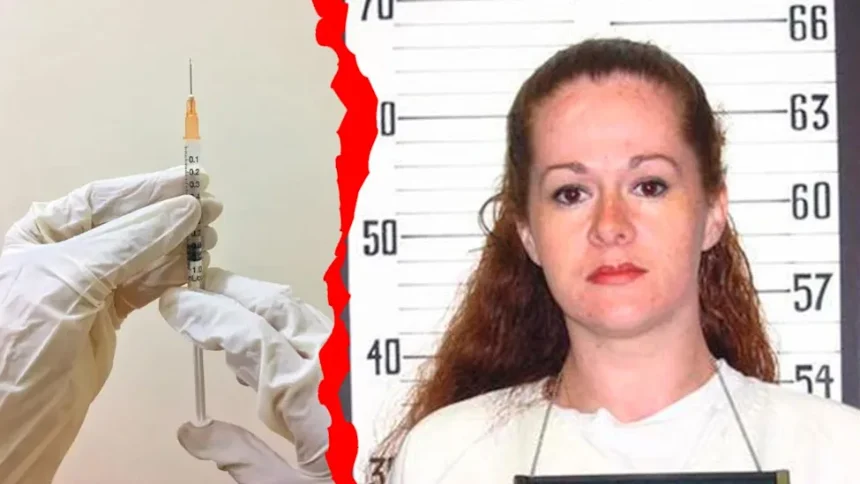
NASHVILLE, Tennessee — A scheduled execution in the United States has ended in an extraordinary medical emergency after Tennessee death row inmate Christa Gail Pike remained alive following the administration of two doses of the lethal-injection drug pentobarbital.
Pike, 50, was taken by ambulance to a hospital after prison officials were unable to complete her execution at Riverbend Maximum Security Institution in Nashville on Wednesday, September 30, 2026.
According to her attorneys, Pike lost consciousness but continued to have a heartbeat and was audibly snoring after the injections. Her lawyers subsequently filed emergency motions seeking to halt the execution and requesting medical intervention.
The Associated Press reported that witnesses heard Pike snoring behind a closed curtain after the second dose had been administered. The microphone was eventually cut off and media witnesses were escorted from the area. Her lawyers later said they had not been informed of her condition.
The incident came after a dramatic series of legal developments earlier in the day.
More Read

Pike’s execution had initially been delayed when the U.S. Court of Appeals for the Sixth Circuit issued a stay shortly before the scheduled procedure. The court said it needed additional time to consider arguments concerning evidence about Pike’s childhood sexual abuse and whether that history had been adequately considered when she was sentenced to death.
The U.S. Supreme Court subsequently overturned the stay, clearing the way for Tennessee to proceed with the execution.

More Read

The 1995 Murder
Pike was sentenced to death for the 1995 killing of 19-year-old Colleen Slemmer, whom she and her then-boyfriend, Tadaryl Shipp, had met at a Job Corps training facility in Knoxville.
Prosecutors said Pike and Shipp lured Slemmer to a secluded area, where she was beaten and stabbed. The case attracted national attention because of the brutality of the killing and a pentagram that was carved into Slemmer’s body. Shipp later acknowledged that he carved the symbol.
Pike was 18 when the murder occurred. Shipp, who was 17 at the time, received a life sentence with the possibility of parole, while Pike became the only person in the case sentenced to death.
Pike’s Final Appeals
Pike’s legal team had argued that important mitigating evidence was not adequately presented to the jury that sentenced her to death.
Her lawyers pointed to her documented history of severe childhood sexual abuse and later diagnoses of mental-health conditions. Pike did not deny responsibility for Slemmer’s death but said in her clemency petition that she had intended to attack Slemmer rather than kill her.
Tennessee Governor Bill Lee rejected Pike’s request for clemency earlier in the week.
More Read

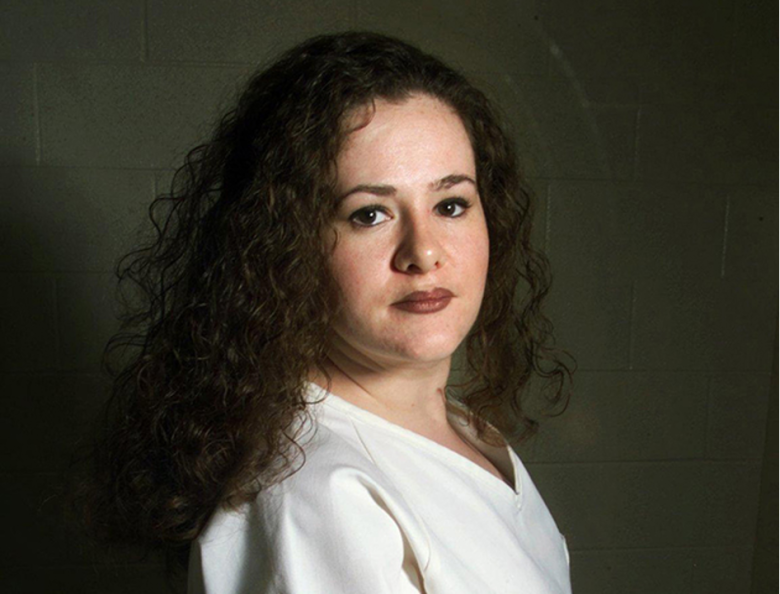
A Rare Case
The failed execution is drawing international attention because executions of women are uncommon in the United States.
According to the Death Penalty Information Center figures cited by the Associated Press, 18 women have been executed in the United States since the Supreme Court reinstated the death penalty in 1976, representing roughly 1% of executions during that period.
Pike would also have been Tennessee’s first woman executed in more than 200 years.
The incident comes months after Tennessee officials called off another lethal-injection execution when an execution team was unable to establish an intravenous line.
As of the latest reports, Pike’s medical condition remained unclear, and Tennessee authorities had not provided a detailed public explanation of what occurred after the second dose of pentobarbital.
The failed execution is now likely to trigger further legal proceedings and renewed scrutiny of Tennessee’s lethal-injection procedures.
Cruise TV News will continue to monitor developments in the case.