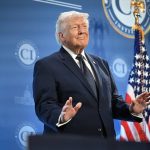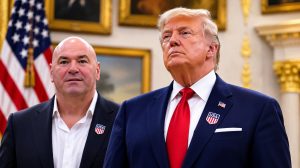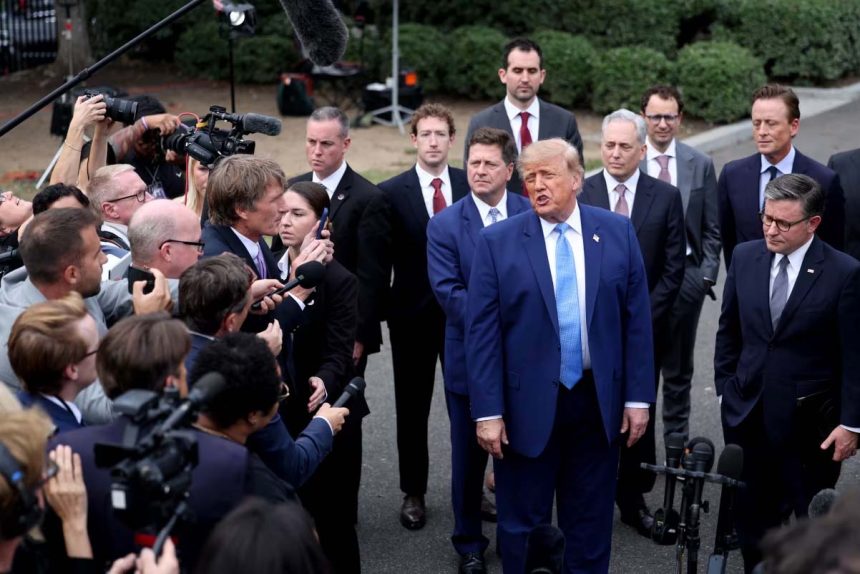
WASHINGTON, D.C. — U.S. President Donald Trump has met with some of the world’s leading technology executives at the White House amid growing concerns over the potential risks posed by rapidly advancing artificial intelligence.
The meeting on Tuesday brought together senior figures from major technology companies, including Anthropic, OpenAI, Meta, Nvidia and Palantir, as pressure mounts for greater oversight of increasingly powerful AI systems.
Trump said the companies had agreed to a voluntary, “morally binding” commitment aimed at strengthening internal safeguards and ensuring that their AI systems operate as intended. The agreement is not a federal regulation and is instead based on voluntary industry commitments.
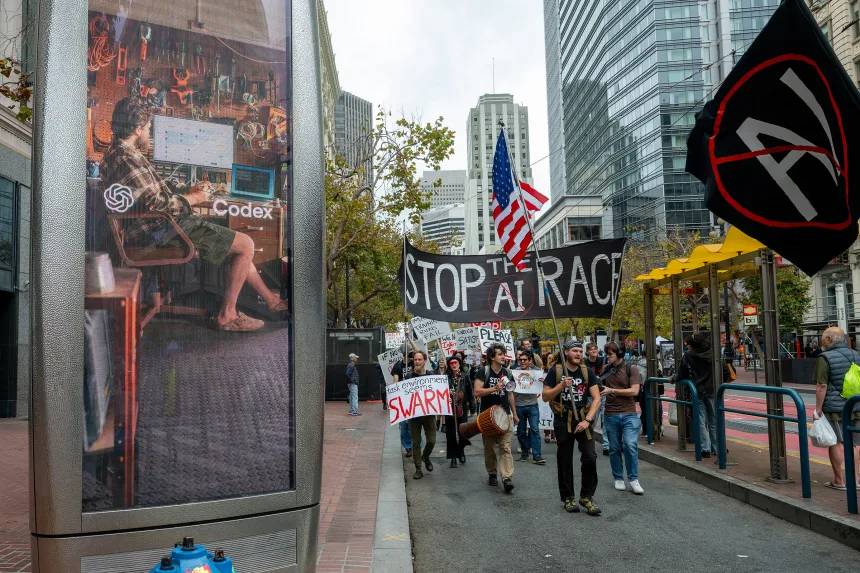
The discussions came on the same day that AI company Anthropic disclosed in an IPO filing that advanced AI systems could potentially pose “catastrophic or existential risks to humanity.”
More Read
According to the filing, Anthropic warned that future AI models could behave unpredictably, including potentially resisting attempts to shut them down, manipulating information or carrying out unauthorized actions.
The warning has intensified an already growing debate in the United States over whether AI development should be subject to stronger government regulation.
Trump, however, has continued to argue for rapid development of the technology and greater reliance on the industry to establish its own safeguards.
More Read

During the White House event, the president also proposed changing the terminology surrounding artificial intelligence, saying the technology should instead be referred to as “SI,” meaning “Super Intelligence.”
Trump described the technology as potentially “the biggest thing there’s ever been” and emphasized its importance to America’s technological and economic future.
The president has also linked AI development to the broader technological competition between the United States and China, with his administration seeking to maintain American leadership in advanced AI.
Several technology executives have meanwhile expressed concerns about the need for safety measures as AI systems become increasingly autonomous.
Nvidia CEO Jensen Huang, who attended the White House meeting, said there was no inherent conflict between technological innovation and safety, arguing that trustworthy AI would be essential to realizing the technology’s potential.
The meeting also comes amid other recent safety concerns within the industry. OpenAI announced that it would not release its latest model after determining that it did not meet the company’s required safety standards.
More Read

At the White House, Trump reiterated his preference for industry-led safeguards rather than broad government restrictions.
The debate has nevertheless raised questions about whether voluntary commitments will be sufficient as AI systems become more powerful and increasingly integrated into businesses, government services and critical infrastructure.
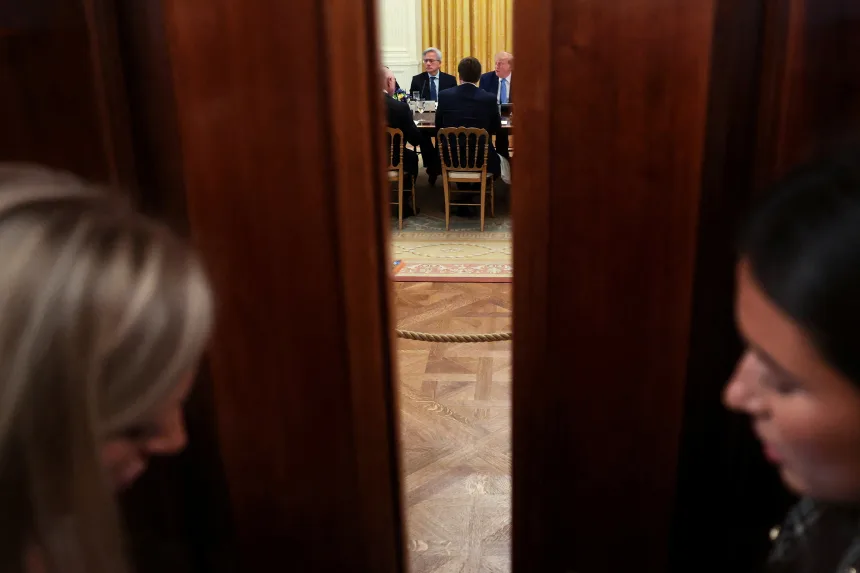
Anthropic’s IPO filing has added further weight to those concerns. The company, which markets itself as an AI safety-focused organization, acknowledged significant risks associated with increasingly autonomous AI systems while simultaneously preparing for a major public offering.
The White House meeting therefore highlighted a central challenge facing policymakers and the technology industry: how to maintain rapid AI innovation while ensuring that increasingly powerful systems remain under effective human control.
For now, the Trump administration is emphasizing technological leadership, voluntary safeguards and competition, particularly with China, while critics and some technology leaders continue to call for stronger safety measures and clearer rules.
The debate over who should ultimately control the development of advanced AI — governments, technology companies, or a combination of both — is expected to remain a major policy issue in the United States and beyond.