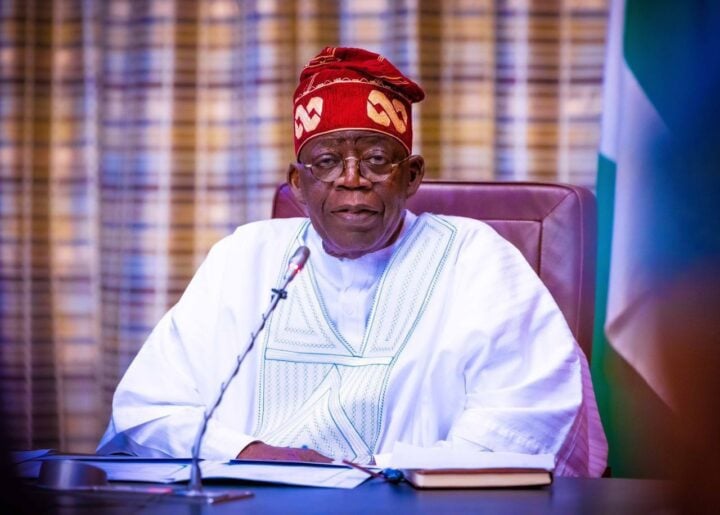
ABUJA, Nigeria — President Bola Tinubu has renewed Nigeria’s call for sweeping reforms of the United Nations, demanding at least two permanent seats for Africa on the Security Council, with full membership rights, including veto power, for as long as the veto exists.
In an address delivered by Vice President Kashim Shettima during the general debate of the 81st United Nations General Assembly in New York, Tinubu argued that the global power structure established in 1945 no longer reflects the realities of the modern world.
He also called for five non-permanent seats for Africa, in line with the Ezulwini Consensus and the Sirte Declaration, insisting that the continent must have a meaningful role in decisions affecting international peace and security.

Tinubu Warns Against Global Conflicts, Rising Nationalism
The President also issued a strong appeal to world leaders to bring an immediate end to global conflicts and reject the growing tide of nationalism, warning that the international order faces mounting pressure.
He urged the international community to confront unilateral aggression, uphold the principles of the UN Charter and strengthen multilateral cooperation as a means of addressing shared global challenges.
Tinubu cautioned that no country should assume that conflicts occurring elsewhere have no consequences for its own security, economy or stability. He called on the United Nations to rebuild public confidence in international institutions and restore their capacity to resolve disputes and promote common interests.
“The persistence of conflict across the world recalls the purpose for which the United Nations was founded: to spare succeeding generations the devastation of war. We must therefore return to the founding principles of dialogue, mutual respect and collective responsibility,” he said.
“Nigeria stands by the Charter and its promise of a world in which diplomacy prevails over coercion, cooperation over isolation and international law over the arbitrary exercise of power.”
Nigeria Reaffirms Commitment to Peacekeeping
Highlighting Nigeria’s contributions to peacekeeping across Africa, Tinubu said the country remained prepared to shoulder greater responsibilities and make sacrifices to help restore peace and stability across the continent.
He cited Nigeria’s involvement in peacekeeping and stabilisation efforts in Liberia, Sierra Leone, Darfur, Mali and The Gambia as evidence of its longstanding commitment to regional security.
The President also highlighted Nigeria’s continued engagement through the Economic Community of West African States (ECOWAS), the African Union and Gulf of Guinea partnerships.
According to him, these initiatives are focused on promoting mediation, democratic governance, counterterrorism and maritime security.
He stressed that Nigeria’s foreign policy is guided by the same principles underpinning its domestic economic reforms, including strategic planning, institutional development and sustainable growth.
Links Economic Reforms to Sustainable Development
Tinubu said Nigeria was pursuing its sustainable development commitments through disciplined macroeconomic management, stronger institutions, private-sector expansion and strategic public investment.
He maintained that Nigeria’s national progress was closely connected to Africa’s development and the broader international responsibility to promote peace, equity and prosperity.
The President further warned that domestic achievements would have limited impact if the country failed to address growing external threats, particularly those associated with international conflicts and climate change.

He emphasised that geographical distance does not shield any country from the consequences of global instability, urging leaders to take security and climate challenges seriously.
Tinubu also underscored the importance of public trust, arguing that governments earn credibility when their decisions produce tangible improvements in the lives of their citizens.
He called for stronger international cooperation and renewed commitment to the principles of the United Nations, maintaining that lasting peace and prosperity depend on collective responsibility and respect for international law.