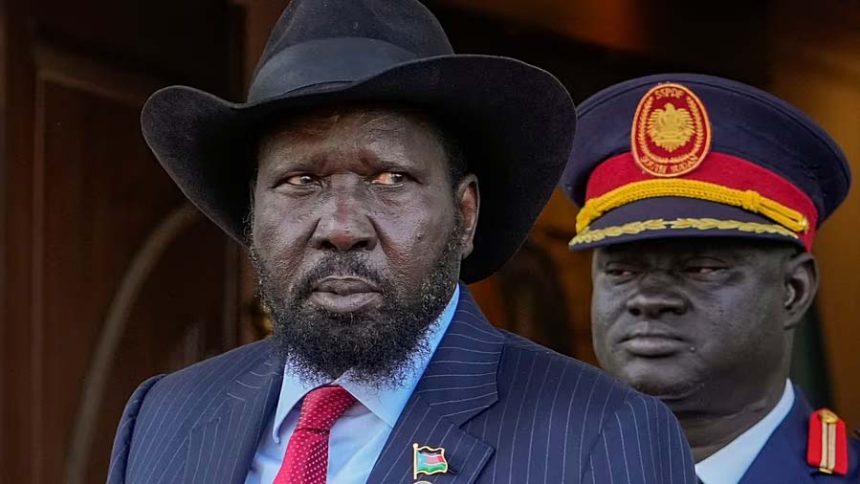
JUBA, South Sudan — South Sudan President Salva Kiir has dissolved the country’s transitional government, paving the way for a new political arrangement ahead of the nation’s first-ever general election, scheduled for December 22.
The move came on Tuesday, September 22, just hours after Kiir signed amendments to the country’s election law removing key legal requirements that had previously linked the holding of elections to the completion of a permanent constitution and a national census.
The changes are intended to clear a major legal obstacle ahead of the December vote, which has already been postponed twice since South Sudan gained independence from Sudan in 2011.
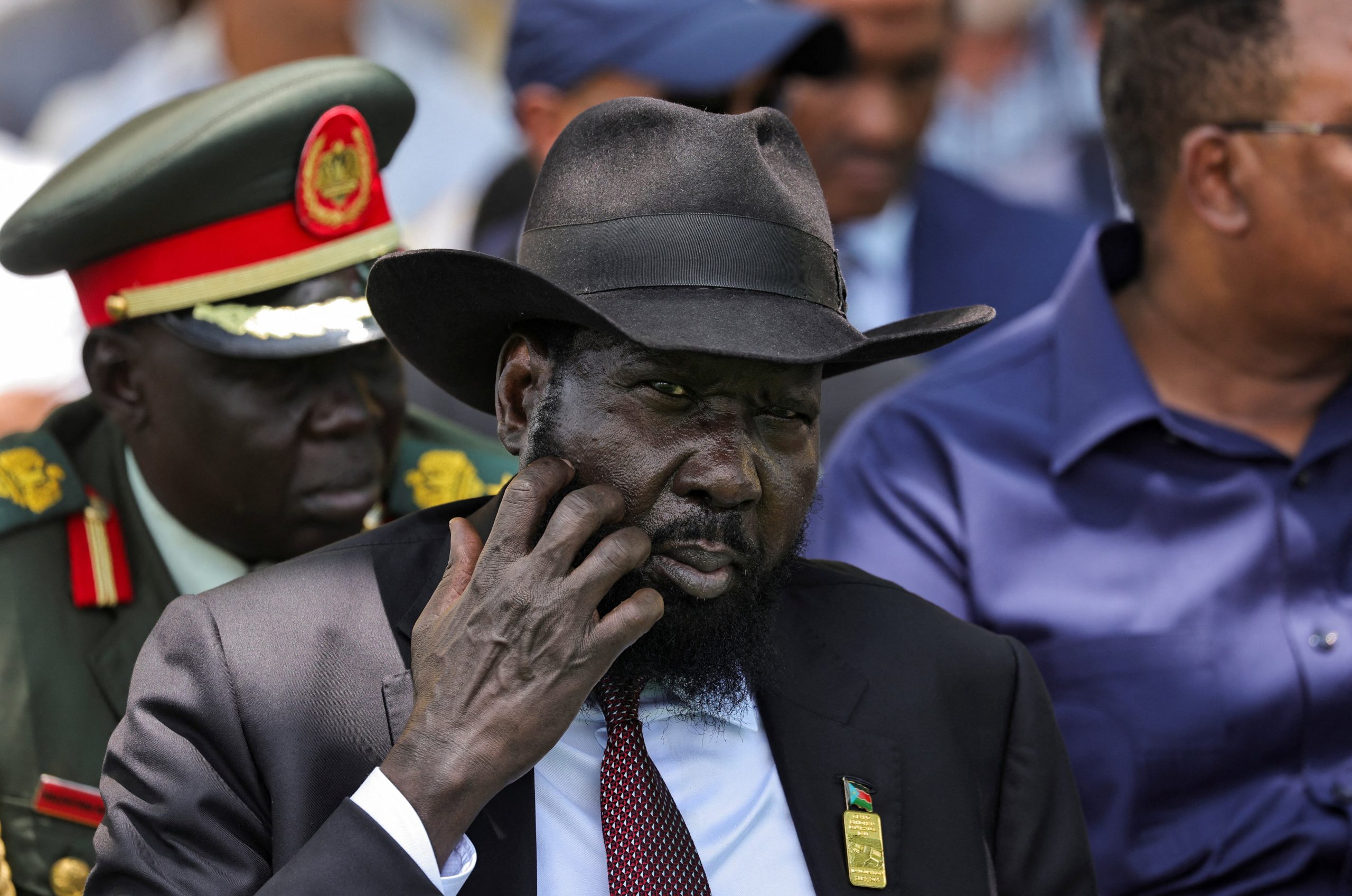
Under the amended law, the incumbent president remains in office with constitutional powers throughout the electoral period, until an elected president assumes office. The legislation also gives Kiir authority to relieve the first vice president and other vice presidents within three months of the election.
More Read
The transitional government, established under the 2018 peace agreement that ended years of civil war, formally ended on Tuesday night.
Kiir is expected to appoint a new transitional administration to oversee the country until the elections.
Election Preparations Underway
South Sudan’s National Elections Commission has been preparing for the December 22 election, including the introduction of a voter registration book that will be used to record voters’ details.
More Read
However, major challenges remain.
The country’s permanent constitution has not been completed, while the electoral process is taking place against a backdrop of continuing political tensions and unresolved elements of the 2018 peace agreement.
The amended legislation now allows electoral preparations to proceed without waiting for the constitution-making process or national census to be completed.
Concerns Over Presidential Powers
The changes have generated concern among opposition figures and political observers, particularly because the new framework leaves Kiir with substantial executive authority during the election period.
Analysts cited by AFP warned that the legal changes could concentrate power in the presidency at a particularly sensitive moment in the country’s political transition.
The development is especially significant because the transitional government was created as a power-sharing arrangement between rival political factions following the 2018 peace agreement.
More Read
The political relationship between Kiir and opposition leader Riek Machar has also deteriorated. Machar is currently facing treason charges and remains detained, adding to concerns about the political environment ahead of the election.
Heavy Security in Juba
Security was visibly increased across the capital, Juba, on Tuesday as the government prepared for the transition.
AFP reported seeing an increased military presence along roads in the capital, while an internal security directive ordered forces to remain in uniform and on high alert for three days beginning September 22.
Some government offices were reportedly closed without prior notice, with military personnel deployed around government buildings.
The increased security presence has heightened uncertainty among residents as the country moves into a politically sensitive period.
A Historic Election Under Pressure
South Sudan became the world’s newest country when it declared independence in 2011. But less than three years later, the country descended into a devastating civil war between forces aligned with Kiir and Machar.
A 2018 peace agreement created the current transitional power-sharing government and set out a roadmap toward elections.
That transition has repeatedly been delayed.
The December 22 election is therefore being presented as a historic opportunity to move South Sudan from transitional rule to an elected government.
But international observers and rights groups have warned that elections without adequate political safeguards and an inclusive process could deepen existing tensions rather than resolve them. Amnesty International has called on South Sudanese authorities to protect civic space and ensure fundamental rights ahead of the scheduled polls.
With only three months remaining before the scheduled election, attention will now focus on the composition of Kiir’s new transitional administration, the conduct of voter registration, preparations by the electoral commission and whether the country’s rival political forces can participate peacefully.
For a nation that has never held a national election since independence, December 22 could mark a defining moment in South Sudan’s history — but the political and security challenges surrounding the vote remain substantial.