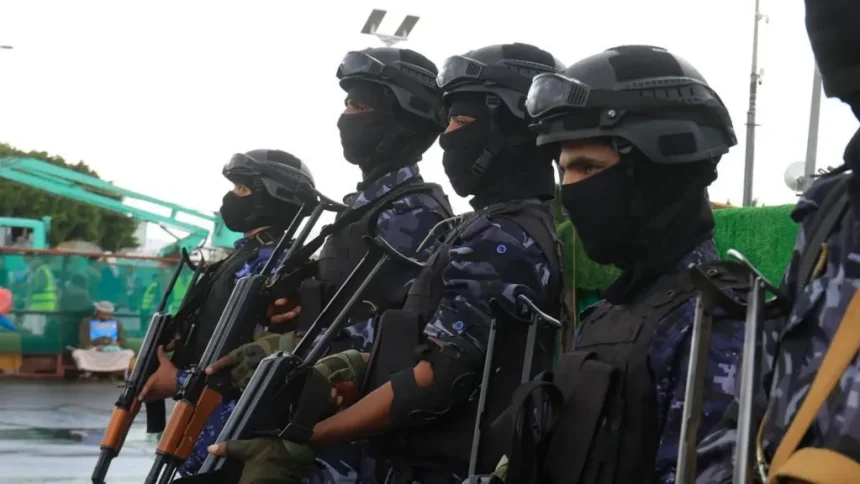
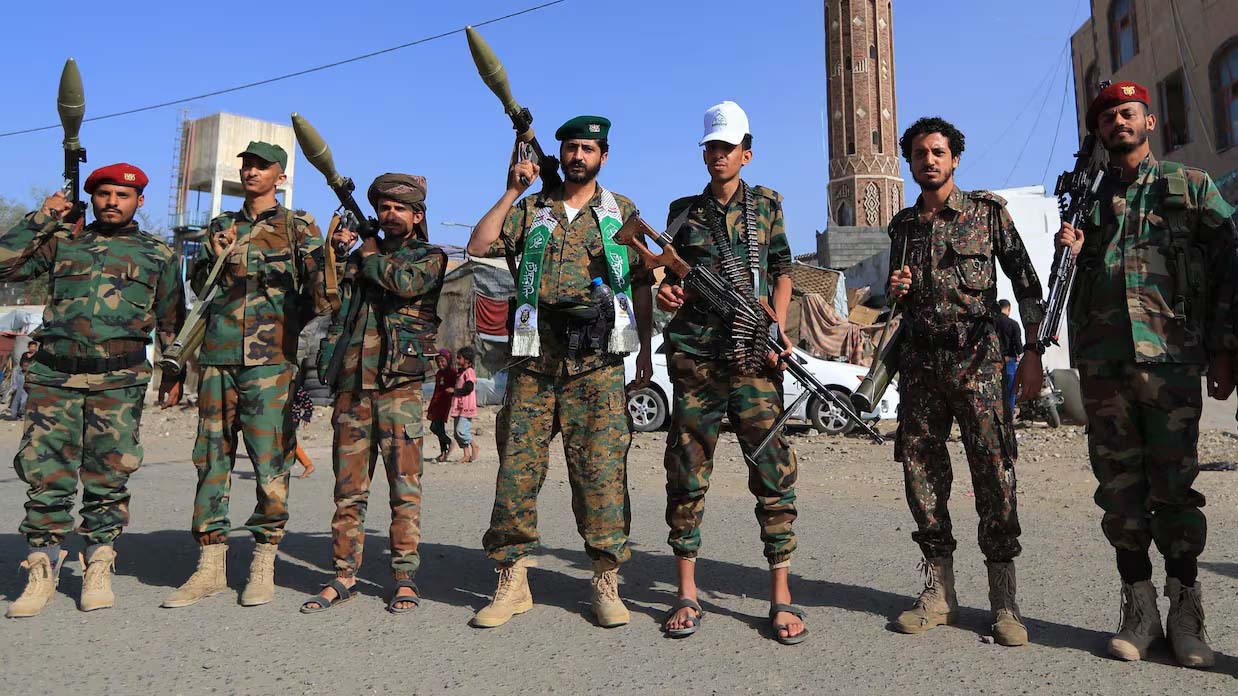
The Group of Seven (G7) has called on Iran to end its alleged arming and support of the Houthi movement in Yemen, while condemning recent attacks by the Iran-backed group against Saudi Arabia.
In a joint statement issued after a meeting on the sidelines of the United Nations General Assembly in New York, the foreign ministers of the G7 nations urged the Houthis to immediately halt military operations and attacks targeting civilian shipping.
“We call on the Houthis to immediately cease all military actions, all threats and attacks against civilian shipping, and to return to the political process in good faith,” the ministers said.
The statement was signed by the foreign ministers of Britain, Canada, France, Germany, Italy, Japan and the United States.
More Read

The G7 also condemned what it described as Houthi attacks on Saudi Arabia, warning that the recent escalation of fighting against Saudi-backed forces in Yemen poses risks to regional and global energy security.
The ministers said the Houthi actions represented “a dangerous pattern of escalation” that could further worsen the conflict, disrupt international trade and contribute to global economic instability.
They also reaffirmed their support for Yemen’s internationally recognised government and their commitment to the country’s unity, sovereignty, independence and territorial integrity.
More Read

The latest development comes amid a sharp escalation in fighting along Yemen’s Red Sea coastline.
Thousands of people have reportedly fled their homes following the Houthi seizure of strategic territory, including areas close to the Bab al-Mandab Strait, a vital maritime chokepoint linking the Red Sea with the Gulf of Aden and the wider Indian Ocean.
The United Nations estimates that more than 120,000 Yemenis have been displaced by the recent surge in fighting along the Red Sea coast.
Meanwhile, at least six people were reportedly killed in Saudi air strikes on the strategic Yemeni city of Mokha, according to AFP, citing Houthi-affiliated media.
The reported casualties included two children and a woman, while eight other people were said to have been injured.
Saudi Arabia, which supports Yemen’s internationally recognised government, has not publicly commented on the reported strikes.
More Read

The Houthis have also launched drones and missiles towards southwestern Saudi Arabia, including attacks targeting infrastructure and areas around the capital, Riyadh.
Saudi Arabia has responded with air strikes against Houthi positions in Yemen.
The escalating conflict has also prompted requests for greater international military assistance.
UK Prime Minister Andy Burnham said Britain would provide “defensive air-to-air refuelling” support to Saudi Arabia through a single Voyager aircraft based at RAF Akrotiri in Cyprus.
According to Burnham, the decision followed a Saudi request for military support and was agreed after consultations with Defence Secretary Wes Streeting and Foreign Secretary Ed Miliband.
France has also reportedly pledged support, with a diplomatic source telling AFP that Paris was prepared to help secure Saudi energy infrastructure through what it described as a “strictly defensive approach.”
Saudi Crown Prince Mohammed bin Salman has reportedly also sought military support from US President Donald Trump.
According to US media reports, Trump has been considering options following the Saudi request, amid the wider conflict involving Iran and its regional allies.
The latest escalation has also triggered new security warnings across the Middle East, with US embassies in the region issuing alerts as fighting between the Houthis and Saudi-backed forces intensified.
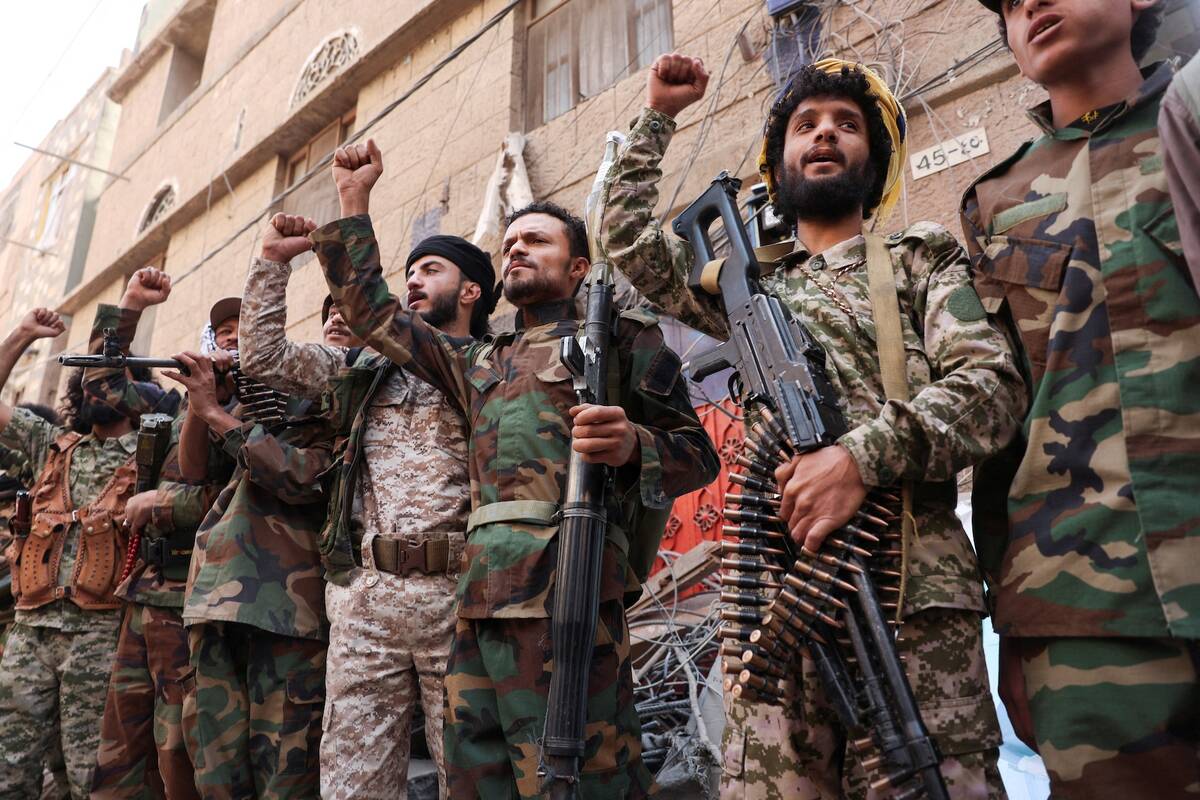
The Houthis identify themselves as part of Iran’s so-called “Axis of Resistance,” a network of armed groups and political movements opposed to Israel, the United States and their allies. The network includes groups such as Hamas and Lebanon’s Hezbollah.
Iran has previously denied supplying weapons to the Houthis, maintaining that its support for the group is political.
The escalating conflict has raised concerns over civilian safety, regional stability and the security of one of the world’s most important maritime trade routes.