German Chancellor Friedrich Merz has clashed with Alternative for Germany leader Alice Weidel in parliament, accusing the far-right party of pursuing a destructive migration policy that could amount to “ethnic cleansing” of skilled workers.
The confrontation came after the AfD secured almost 44 percent of the vote in Saxony-Anhalt, recording a sweeping victory in the eastern German state.
The result dealt a major blow to Merz’s Christian Democrats, whose support was cut to just 17.2 percent.
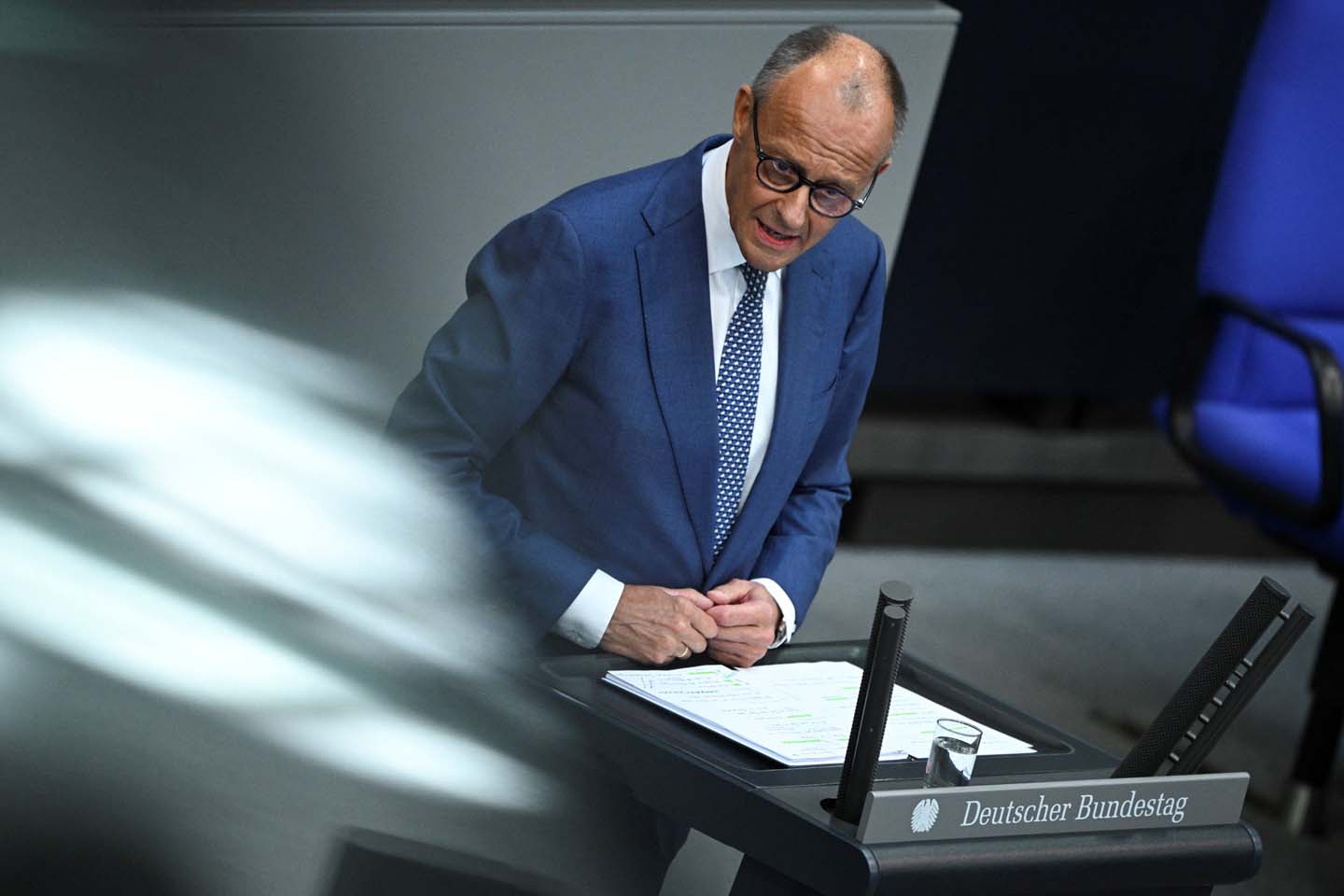
Addressing the Bundestag, Weidel declared that the election result demonstrated the failure of Merz’s coalition government and warned that the Chancellor’s political era was coming to an end.
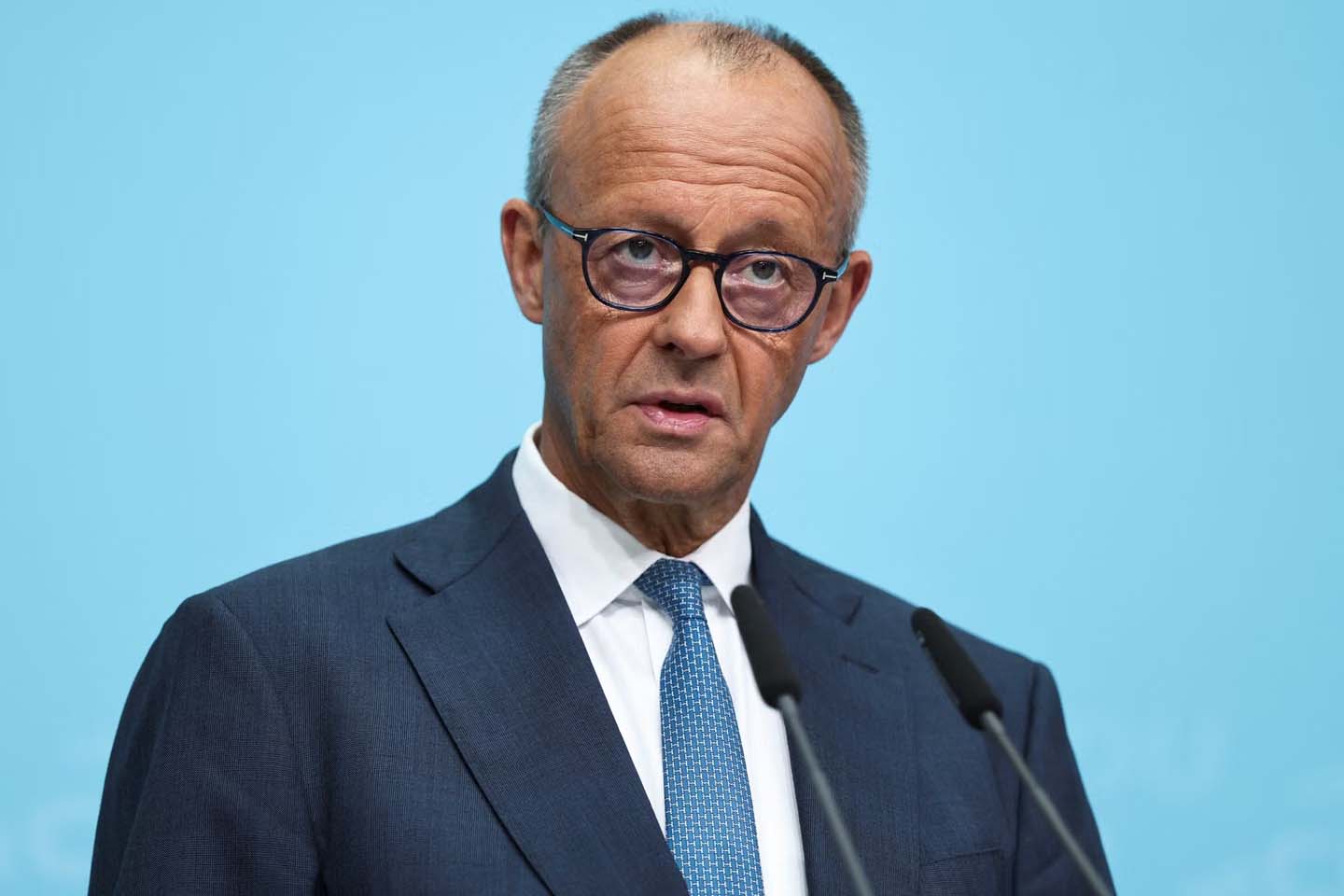

But Merz strongly rejected the criticism, accusing the AfD of undermining German interests through its support for Russia and its controversial “remigration” policy.
Merz warned that the party’s proposals could affect millions of people living and working in Germany.
He pointed out that around one in six skilled workers in the country has a migration background, arguing that mass removals would have serious consequences for the economy.
More Read

The Chancellor said the AfD’s policies could effectively become “a synonym for ethnic cleansing in the skilled trades based on skin colour and origin.”
The heated exchange was repeatedly interrupted by heckling from AfD lawmakers.
At one point, Bundestag President Julia Klöckner threatened to remove MPs from the chamber, telling lawmakers: “We are not on a football pitch.”
Weidel, meanwhile, blamed migration for what she described as increasing knife attacks and violence on public transport and at railway stations.

Merz countered that Germany needed to distinguish between irregular migrants who should be deported and migrants who contribute to the country’s economy and have a legitimate right to remain.
More Read

The political battle follows the AfD’s historic performance in Saxony-Anhalt.
The party fell three seats short of an outright majority, meaning it will need support from another party if it wants to form a government.
No far-right party has governed any of Germany’s 16 states since the end of World War Two.
The AfD has nevertheless opened the possibility of working with another political party, potentially the left-wing populist Sahra Wagenknecht Alliance, or BSW, to secure the support needed for its candidate, Ulrich Siegmund, to become state premier.
Siegmund’s deputy has also suggested that cooperation with Merz’s CDU could be possible if the party abandons Germany’s longstanding political “firewall” against cooperation with the far right.
The election result has been welcomed by U.S. President Donald Trump, who described the AfD’s performance as a major victory and blamed Germany’s immigration policies for what he called the country’s problems.
Meanwhile, a planned phone call between Trump and Chancellor Merz has been postponed, with Berlin giving no immediate reason for the delay.
The latest political confrontation highlights growing divisions over migration, the economy and Germany’s relationship with the far right — as the AfD continues to reshape the country’s political landscape.