Global tensions surged dramatically on Saturday after multiple commercial vessels reported attacks in and around the Strait of Hormuz, following Iran’s renewed decision to shut down the critical oil transit route.
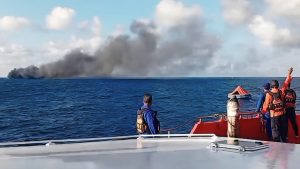
According to maritime security reports, Iranian forces—particularly units of the Islamic Revolutionary Guard Corps (IRGC)—opened fire on ships navigating the narrow waterway, forcing several vessels, including oil tankers, to turn back amid growing fears for crew safety.
The Strait of Hormuz, a strategic chokepoint through which roughly one-fifth of the world’s oil supply typically flows, has once again become the center of a rapidly escalating confrontation between Tehran and Washington.
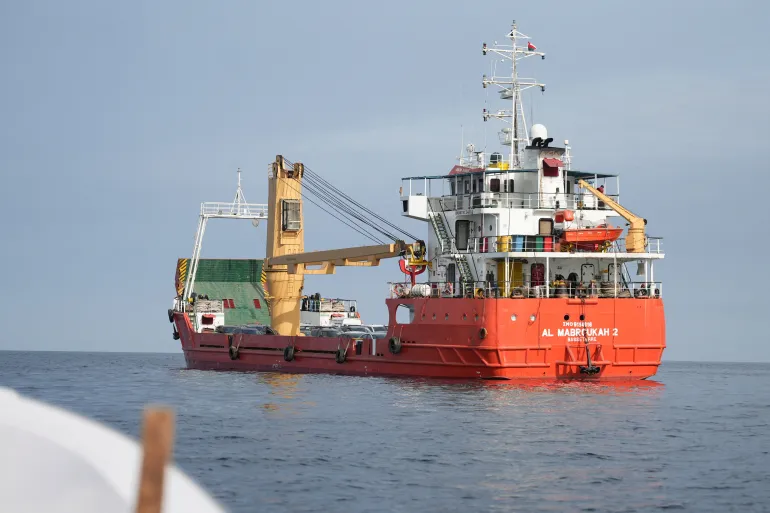
🚢 Ships Under Fire as Crisis Deepens
Reports from the United Kingdom Maritime Trade Operations (UKMTO) and U.S. officials confirmed that Iranian gunboats fired on at least one tanker near Oman, while other vessels reversed course to avoid the danger zone.
More Read
Two Indian-flagged oil tankers were among those affected, prompting diplomatic protests and heightening international concern over maritime safety.
The attacks mark a significant escalation after days of confusion over whether the strait had been reopened. Iran had earlier signaled a possible resumption of traffic but reversed course, citing ongoing U.S. naval actions as justification for tightening control.
⚔️ Iran Blames U.S. Blockade
Tehran says the closure is a direct response to a U.S.-led naval blockade imposed earlier this week, which aims to restrict Iranian oil exports and shipping activity.

Iranian officials have accused Washington of “maritime piracy,” insisting that restrictions will remain in place until the blockade is lifted.
🇺🇸 Trump Responds: “We Can’t Be Blackmailed”
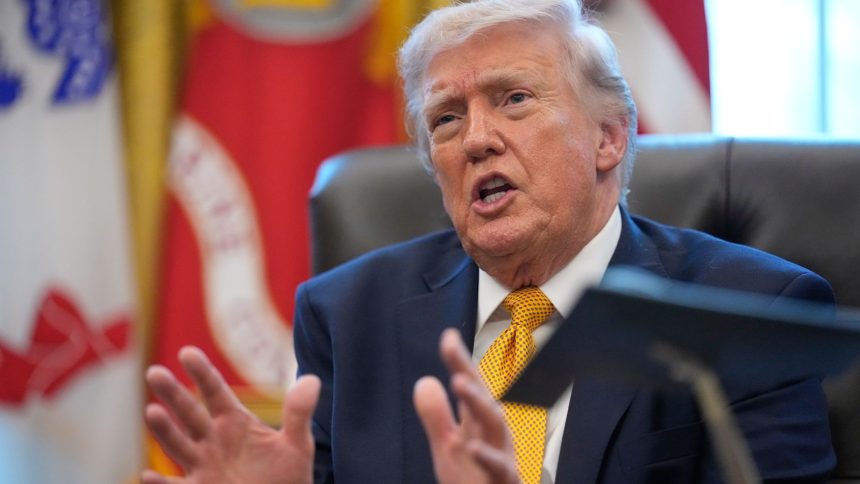
U.S. President Donald Trump struck a defiant tone, rejecting Iran’s actions and warning against coercion.
“They can’t blackmail us,” Trump said, while maintaining that diplomatic talks are still ongoing.
Despite the escalating violence, Trump suggested a potential agreement with Iran could still be reached within days, though he warned that military action could resume if negotiations fail.

🌍 Global Impact and Rising Fears
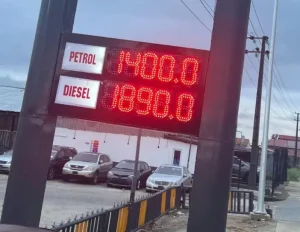
The renewed crisis has rattled global energy markets and raised fears of supply disruptions, as shipping through the strait becomes increasingly hazardous.
More Read

With multiple nations—including India, the UK, and France—monitoring the situation closely, diplomatic efforts are intensifying to prevent a wider regional conflict.
🔍 What’s Next?
The situation remains volatile, with both sides holding firm positions. Iran insists it controls access to the strait, while the U.S. continues enforcement of its blockade and warns of further consequences.
As gunfire incidents increase and ships retreat from one of the world’s busiest maritime corridors, the risk of a broader confrontation—and a shock to global oil supplies—appears to be growing by the hour.