Sir Keir Starmer is preparing new legislation that would allow the UK to adopt certain European Union rules without requiring a full parliamentary vote each time—an approach that has sparked fierce political debate over sovereignty and democratic oversight.
The proposed law, expected later this year, would give ministers the power to introduce changes through “secondary legislation,” a faster process that limits the level of scrutiny from MPs and peers. The move is designed to help the UK “dynamically align” with evolving EU standards, particularly in areas linked to future trade agreements such as food regulation, carbon pricing, and electricity markets.
Government officials argue the plan is essential for reducing trade barriers and boosting economic growth. A forthcoming agreement on food standards alone is estimated to be worth billions of pounds annually by easing red tape for British exporters. Ministers also say alignment with EU carbon trading rules could strengthen the UK’s industrial competitiveness.
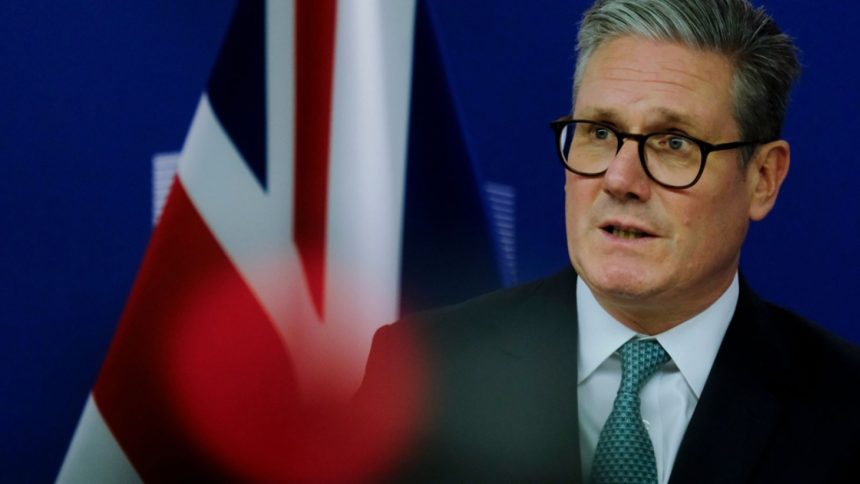
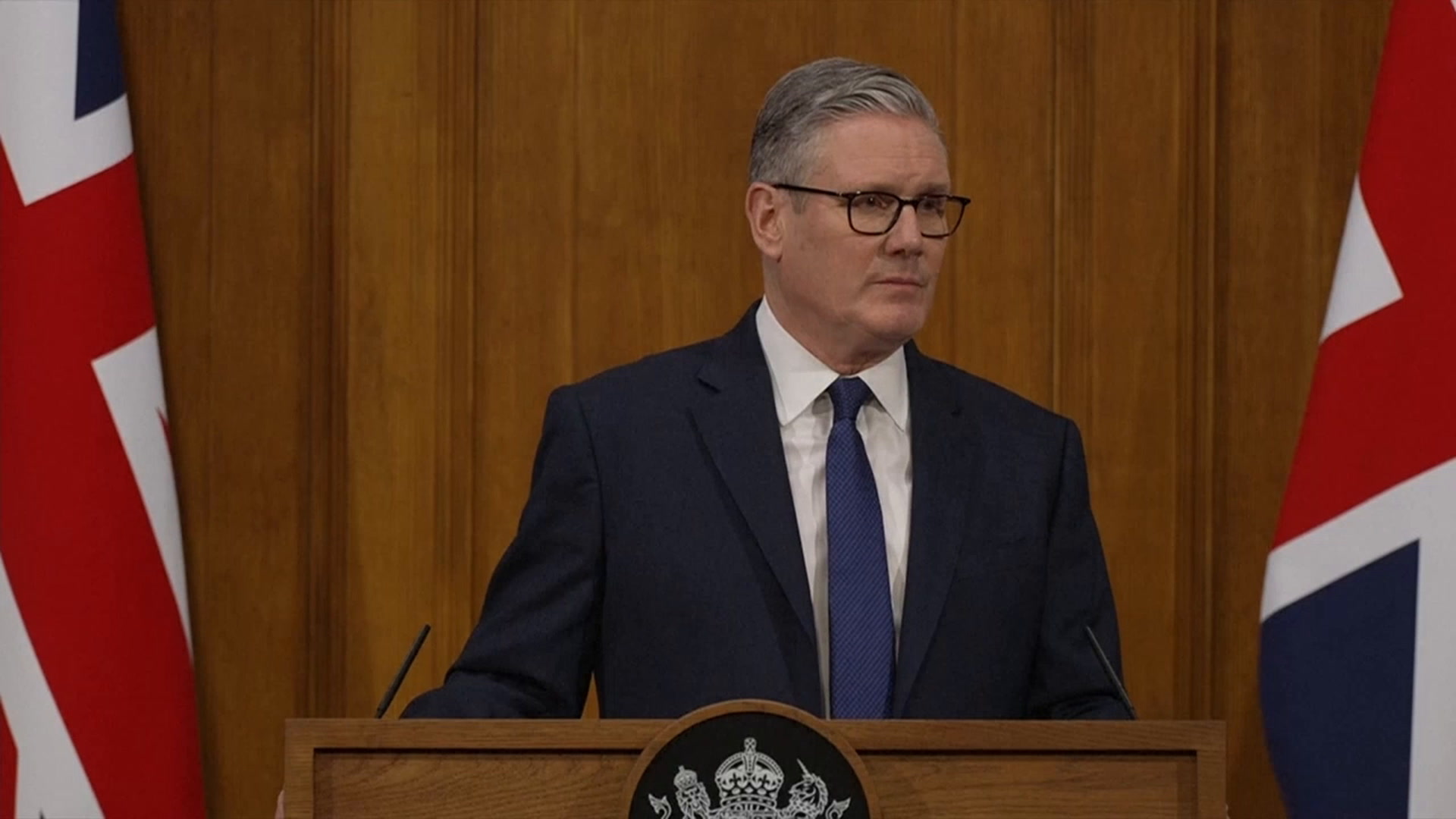
Speaking to BBC Radio 5 Live, the Prime Minister defended the approach, citing global instability as a key factor. “We’re in a world where there’s massive conflict and great uncertainty,” Starmer said. “The UK’s best interests are in a stronger, closer relationship with Europe.” He added that simplifying trade would ultimately “translate into lower prices” for consumers.
More Read

However, critics across the political spectrum have raised alarm over what they see as a significant erosion of parliamentary authority.
Conservative shadow business secretary Andrew Griffith said the plan would leave Parliament “reduced to a spectator while Brussels sets the terms.” Reform UK leader Nigel Farage went further, describing the proposal as “a backdoor attempt to drag Britain back under European Union control,” and vowing to oppose it “every step of the way.”
Even parties more supportive of closer EU ties have expressed concern. Liberal Democrat education spokeswoman Munira Wilson warned that while stronger cooperation with Europe is desirable, any move to “cut Parliament out of the loop” would be “wrong and undemocratic.”
More Read

The controversy is heightened by the fact that, unlike before Brexit, the UK would no longer have a formal role in shaping EU legislation it chooses to follow. At the same time, Labour has scrapped the Commons committee previously responsible for scrutinising EU laws, raising further questions about how oversight will function under the new system.
Despite the criticism, the government is pressing ahead, with hopes of unveiling key agreements at a UK–EU summit expected this summer. These deals could include alignment on food safety rules—covering areas such as animal health and product labelling—as well as closer integration with the EU’s carbon trading system.
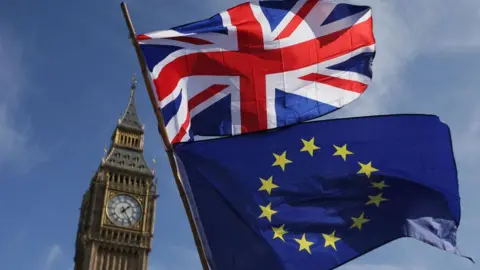
The proposed legislation signals a broader shift in the UK’s post-Brexit strategy, as Labour seeks a more pragmatic and cooperative relationship with the EU while stopping short of rejoining the bloc. Chancellor Rachel Reeves has indicated that deeper ties will be pursued where they serve the “national interest,” including boosting investment, growth, and economic resilience.
As the plans move closer to becoming law, the debate is likely to intensify—pitting economic pragmatism against concerns over sovereignty and democratic accountability in a post-Brexit Britain.