A proposed constitutional amendment to establish the position of Vice President in Cameroon has ignited fierce debate and drawn sharp criticism from opposition figures, who warn it could undermine democratic processes and entrench power.
Lawmakers deliberated on the bill over two days of heated discussions on Thursday and Friday, as tensions rose both داخل parliament and across the political landscape.
Under the proposal, a newly created Vice President would automatically assume the presidency in the event of the incumbent’s death, resignation, or incapacity—without the need for fresh elections. Supporters argue that such a provision would ensure continuity in governance and prevent instability during moments of national uncertainty.
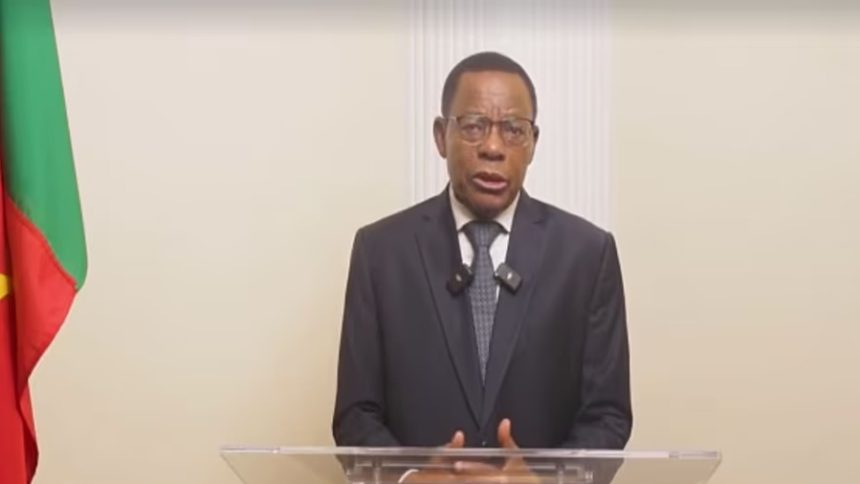
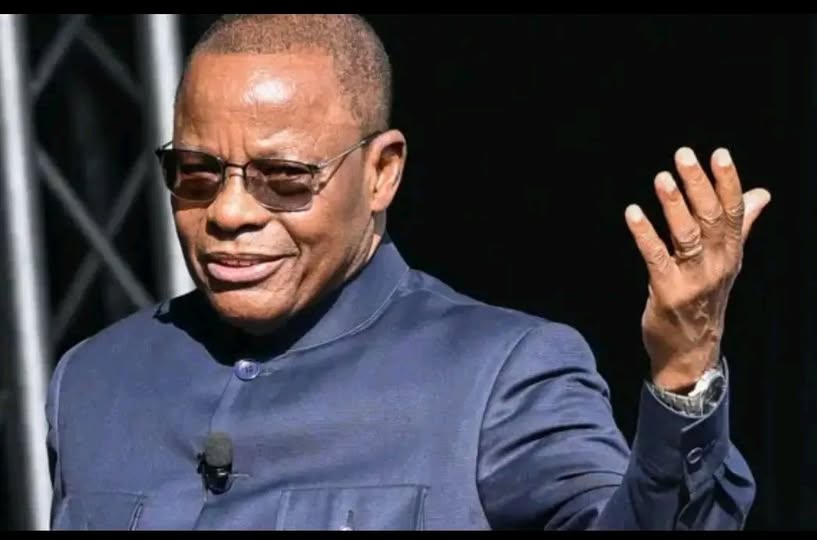
However, the plan has been strongly opposed by veteran opposition leader Maurice Kamto, who described the move as a dangerous shift away from democratic norms.
More Read

“We must prevent the political turmoil afflicting our country from taking root. Together, we must clearly and loudly express our rejection of the ongoing constitutional and institutional coup,” Kamto said in a video address.
Critics fear the amendment could effectively allow power to be transferred within the ruling establishment without public participation, weakening electoral accountability and consolidating authority at the top.
More Read

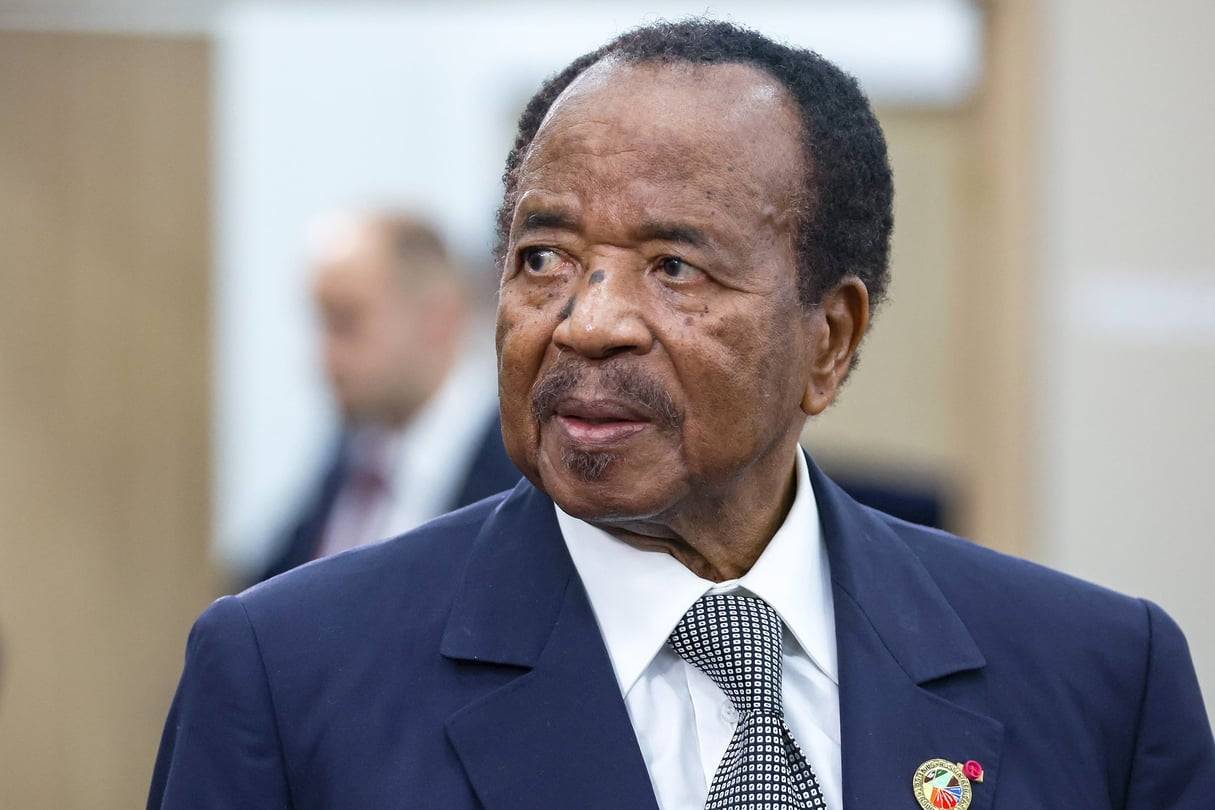
The controversy is further amplified by the age and political history of President Paul Biya, 93, who secured another term in a disputed election last October. For many observers, the timing of the proposal raises questions about succession planning and the future of leadership in the country.
Government supporters, however, maintain that the amendment is a pragmatic step aimed at safeguarding national stability. They argue that avoiding abrupt elections during a leadership crisis would help preserve order and continuity.
As the debate continues, the proposed amendment has become a flashpoint in Cameroon’s political discourse, highlighting deep divisions over governance, democracy, and the balance of power in one of Africa’s longest-standing administrations.