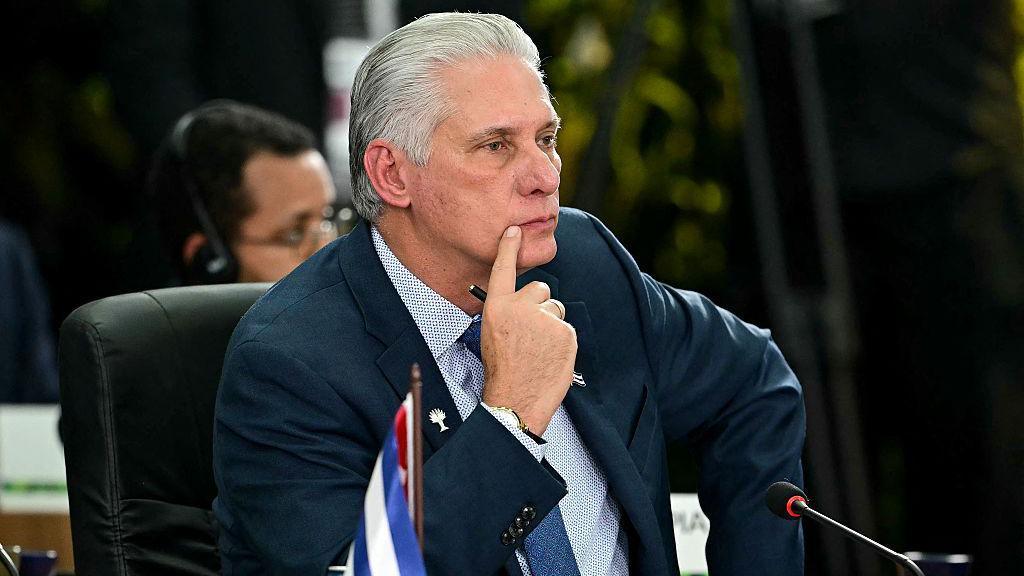
Cuba has announced plans to release 2,010 prisoners in what it described as a “humanitarian and sovereign gesture,” a move that comes as the island nation faces renewed political and economic pressure from the United States.
In a statement issued Thursday, the Cuban embassy in Washington said those eligible for release include foreign nationals, young people, women, and prisoners aged over 60. Authorities noted that the decision follows a “careful analysis” of each case, taking into account the nature of offences, good conduct in prison, time already served, and the health condition of inmates.

The government also linked the timing of the release to the ongoing Holy Week celebrations, describing it as part of a longstanding tradition within Cuba’s criminal justice system during significant religious periods.
The announcement comes against the backdrop of escalating tensions with the United States. Since returning to office, President Donald Trump has signaled a tougher stance on Cuba, including efforts to push for political change and the implementation of an oil blockade. The restrictions have contributed to severe fuel shortages and widespread blackouts across the country.
More Read
In a sign of Cuba’s ongoing energy challenges, a Russian-owned tanker carrying approximately 730,000 barrels of crude oil docked at a Cuban port last week—the first such shipment since early January.
Despite the planned releases, human rights organizations continue to raise concerns. Human Rights Watch estimates that hundreds of political prisoners remain in Cuban detention, alleging that government critics are frequently subjected to harassment and criminal prosecution.
This marks the second prisoner release announced by Cuba this year. In March, 51 prisoners were freed following discussions with the Vatican. Earlier, in 2025, the country released 553 detainees as part of an agreement brokered by the Vatican and the United States.
While Cuban authorities frame the latest move as humanitarian, observers say it also carries diplomatic significance, reflecting Havana’s ongoing efforts to navigate international pressure while maintaining control over internal political dynamics.