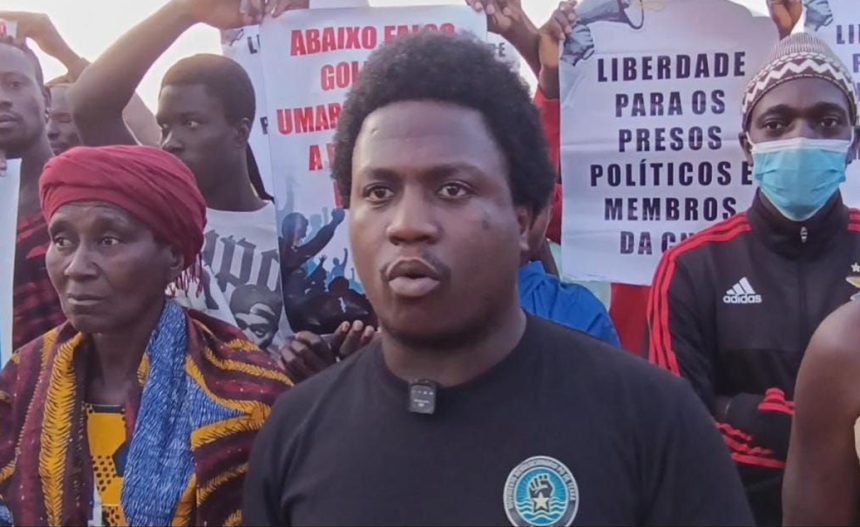
Bissau, Guinea-Bissau — Vigário Luís Balanta, a prominent civil society activist and outspoken critic of Guinea-Bissau’s military-led transitional government, has been found dead under violent circumstances, sparking outrage and renewed concerns over political repression in the country.
Balanta’s body was discovered on Tuesday in the Ndam area, approximately 30 kilometres from the capital, Bissau, according to local media reports. Fellow activists and sources close to the case say the 35-year-old was brutally attacked and beaten to death.
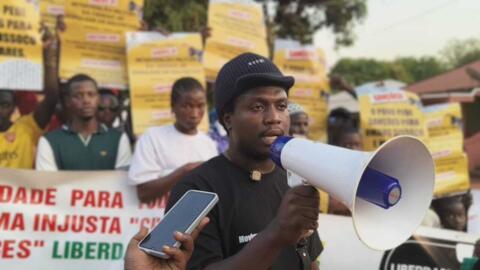
A leading voice in Guinea-Bissau’s civil society, Balanta served as president of the Pó di Terra revolutionary movement and spokesperson for the Civil Society Social Pact. He was widely known for his advocacy for democratic governance, youth empowerment, and social reform.
In a tribute reported by RFI, the Civil Society Social Pact described him as “an inspiring figure for the youth of Guinea-Bissau,” noting his commitment to encouraging young people to build a dignified future within the country rather than seeking opportunities abroad.
More Read
Balanta had been a vocal critic of the country’s transitional authorities following a military coup that ousted former president Umaro Sissoco Embaló after the November 2025 elections. The junta, led by General Horta N’tam, has faced mounting criticism over restrictions on civil liberties and lack of transparency.
In recent months, Balanta publicly condemned the government’s ban on protests and called for the release of the official results of the disputed presidential and legislative elections.
His death has intensified fears about the safety of dissenting voices in Guinea-Bissau. Civil society organisations have called for an independent and transparent investigation into the killing, urging the involvement of the Guinean League for Human Rights and the United Nations Office of the High Commissioner for Human Rights.


The transitional government has condemned the killing, describing it as “barbaric” and pledging to investigate the circumstances surrounding his death. However, skepticism remains among activists and observers, given Balanta’s prominent opposition to the ruling authorities.
As calls for justice grow louder, many in Guinea-Bissau and beyond are watching closely to see whether authorities will deliver accountability—or whether the killing of one of the country’s most outspoken activists will deepen an already fragile political crisis.