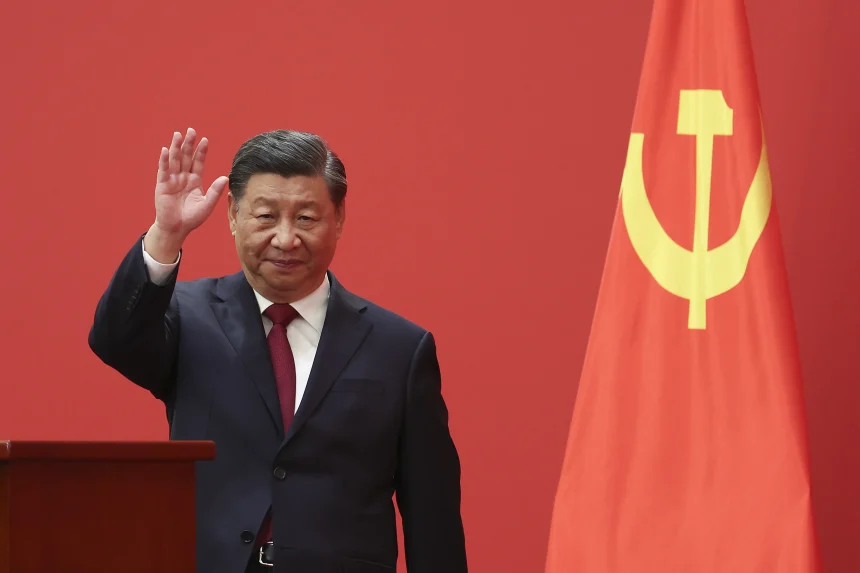
As the war in the Middle East enters its second month, rising oil prices and growing fears of a global economic slowdown are drawing new players into the conflict — with China now emerging as an unexpected diplomatic force.
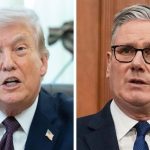
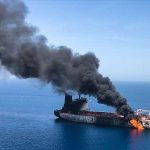
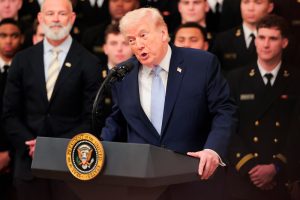
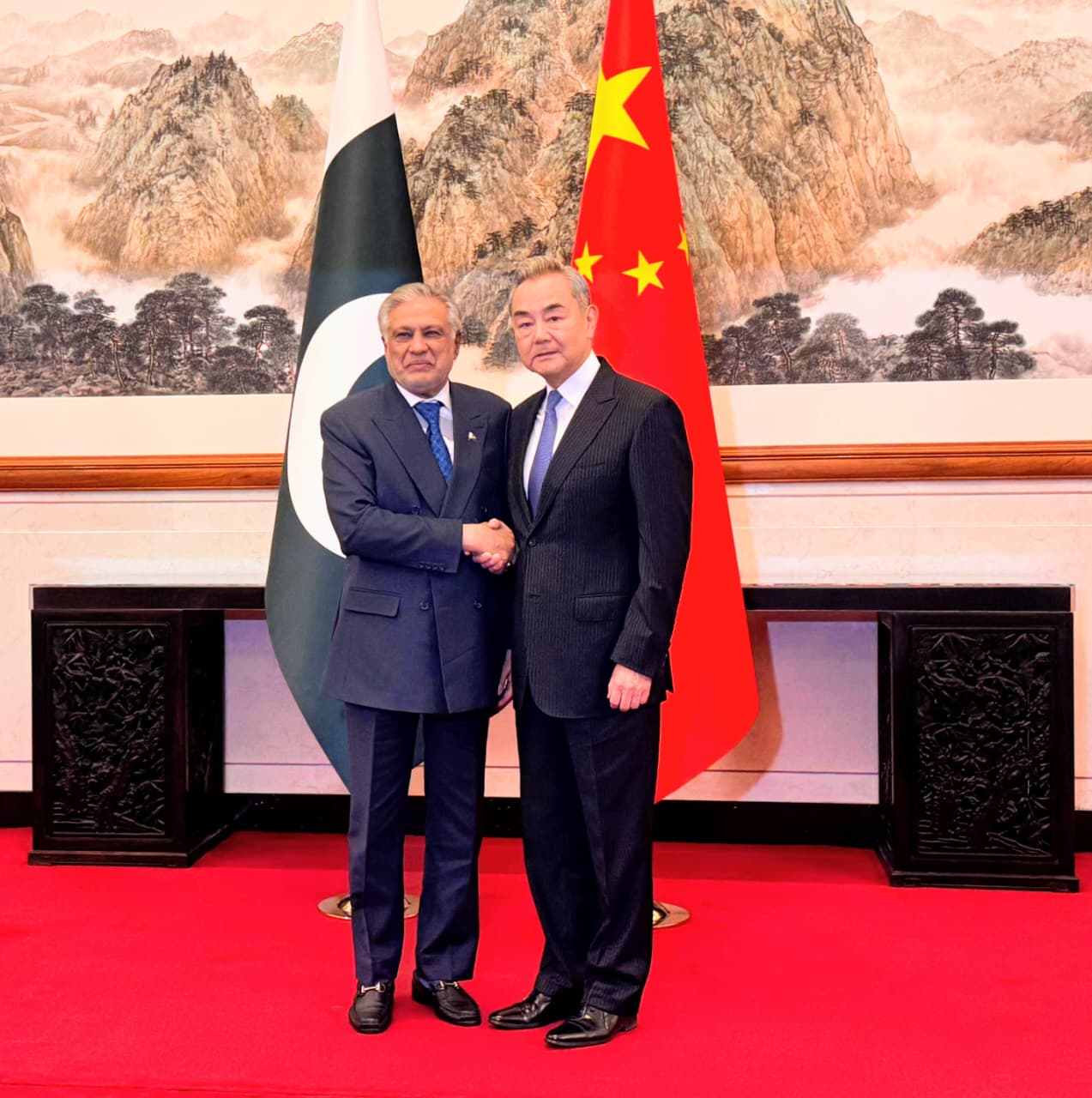
Beijing, alongside Pakistan, has proposed a five-point peace plan aimed at securing a ceasefire and reopening the critical Strait of Hormuz, a vital route for global energy supplies. The move comes amid escalating tensions involving the United States, Israel, and Iran, with former US President Donald Trump warning that military action against Iran could unfold within weeks.
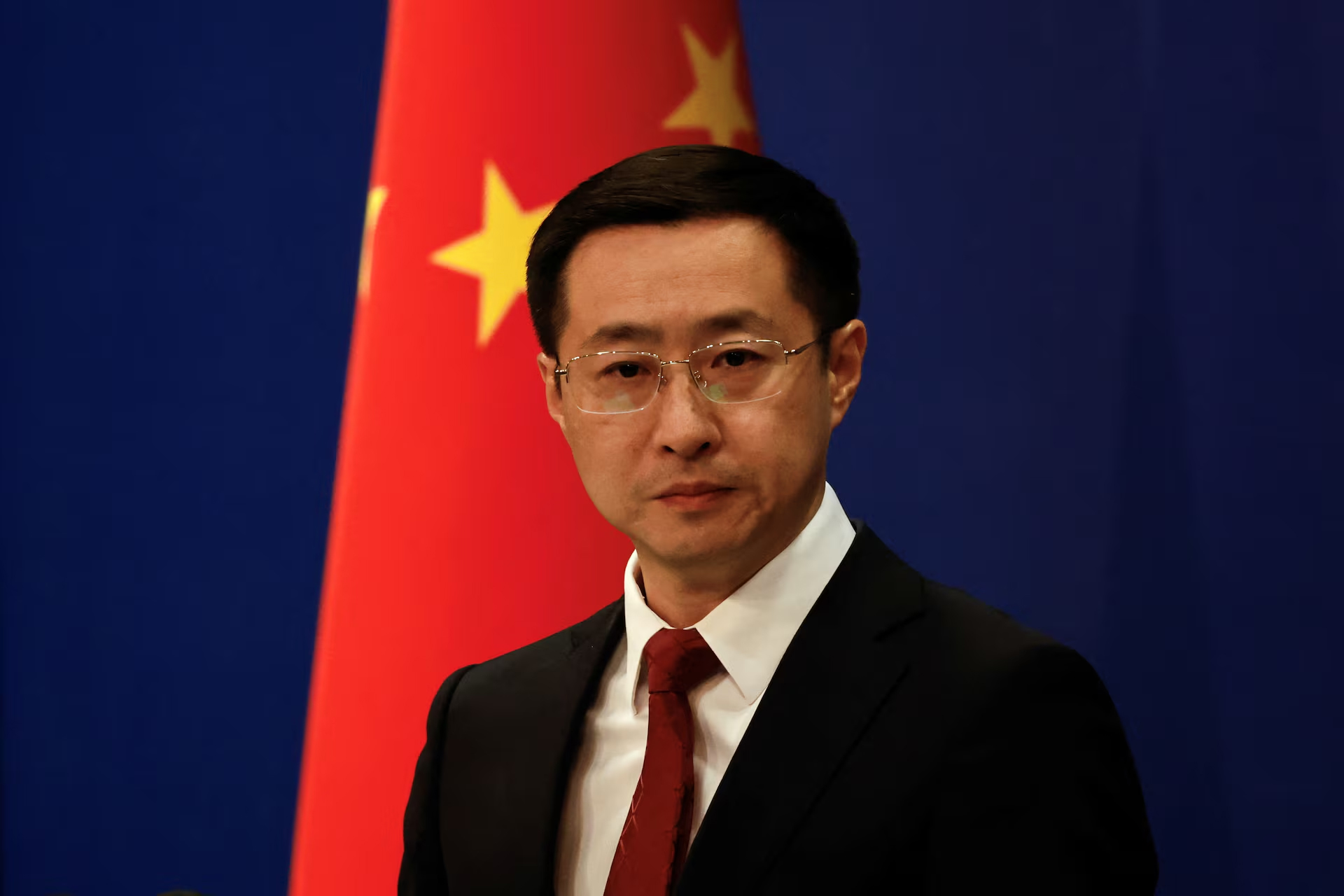
China’s intervention signals a shift from its previously cautious stance. While it has largely stayed on the sidelines in past conflicts, Beijing now appears increasingly concerned about the economic fallout of prolonged instability. As the world’s largest importer of crude oil, China faces significant risks from surging energy costs that could ripple across its manufacturing sector and export-driven economy.
Analysts say China’s push for peace is driven less by military ambition and more by economic necessity. A sustained energy shock could disrupt global supply chains, increase production costs, and weaken demand for Chinese goods — all at a time when its domestic economy is already under strain.
More Read

The Middle East has also become an increasingly important market for China. In recent years, its exports to the region have surged, particularly in sectors like electric vehicles and infrastructure development. Strong ties with both Iran and key US allies such as Saudi Arabia have positioned Beijing as one of the few global powers able to engage all sides.
China is no stranger to mediation in the region. In 2023, it brokered a landmark agreement between Saudi Arabia and Iran, restoring diplomatic relations after years of hostility. More recently, it hosted talks among Palestinian factions aimed at fostering unity.
More Read

However, its influence has limits. Unlike the United States, China lacks a significant military presence in the Middle East, reducing its ability to enforce any agreements. Its role remains largely diplomatic, relying on economic leverage and strategic partnerships rather than hard power.
Still, by stepping forward now, China is positioning itself as a global peacemaker — and a counterweight to US dominance on the world stage. Whether its latest efforts will gain traction remains uncertain, as both Washington and Tehran have yet to respond to the proposed plan.
For now, one thing is clear: as the conflict threatens to shake the foundations of the global economy, China is determined not to remain on the sidelines.