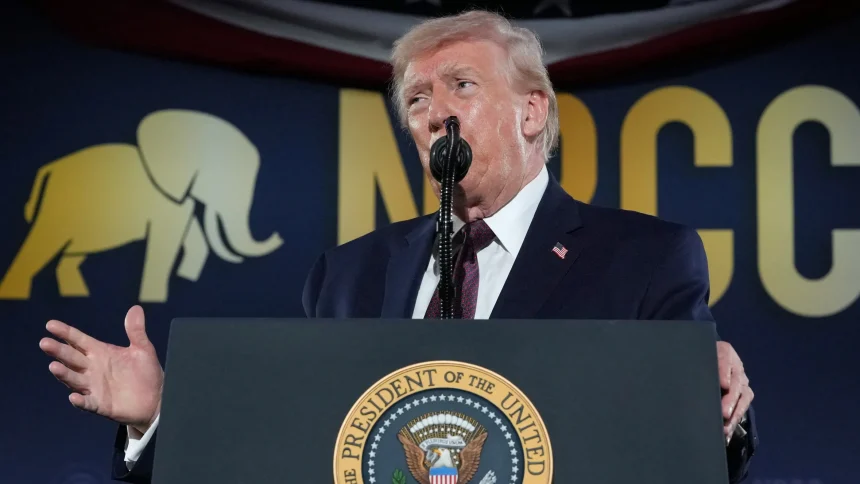
U.S. President Donald Trump has claimed that Iran is secretly seeking negotiations with Washington but is “afraid” to admit it publicly, a statement swiftly rejected by officials in Iran, further deepening confusion over the state of diplomacy between the two longtime adversaries.
Speaking amid escalating tensions, Trump said Iranian leaders “really want to reach a deal” but fear internal backlash or external threats if they acknowledge it openly.
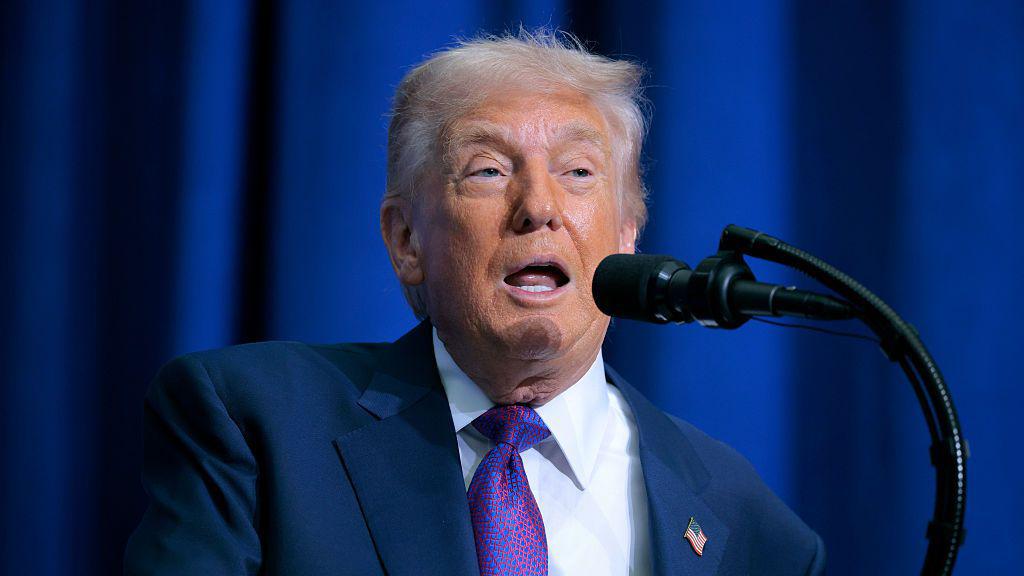
“They are negotiating, and they really want a deal, but they are afraid to say it,” Trump reportedly said, suggesting that leaders in Tehran worry about being overthrown by their own people or targeted by foreign powers.
However, Iranian authorities have categorically denied the existence of any talks—direct or indirect—with the United States. Officials in Tehran dismissed the claims as false, insisting that no negotiations are underway and reiterating their stance against engaging under pressure.
More Read
The conflicting narratives come as the United States and Iran remain locked in a widening regional conflict, with both sides exchanging threats while international actors attempt to broker a diplomatic solution.
Recent reports indicate that Washington has been pushing a ceasefire proposal, but Iran has rejected the plan and instead presented its own conditions, including demands for strategic control and compensation—terms widely seen as unacceptable by U.S. officials.
Despite Tehran’s public denials, the White House maintains that communication channels—often through intermediaries such as regional powers—may still be active, describing discussions as “productive,” though no concrete agreement has been confirmed.
The uncertainty surrounding possible negotiations has also had global repercussions. Financial markets have reacted cautiously to mixed signals, with oil prices and stock futures fluctuating as investors weigh the prospects of either diplomacy or further escalation.
Analysts say the contradictory statements may reflect a broader strategy on both sides—Washington signaling openness to talks while maintaining pressure, and Tehran projecting defiance to preserve domestic and regional credibility.
With military tensions still high and no clear diplomatic breakthrough in sight, the gap between rhetoric and reality continues to fuel uncertainty over whether meaningful negotiations are taking place behind the scenes—or not at all.