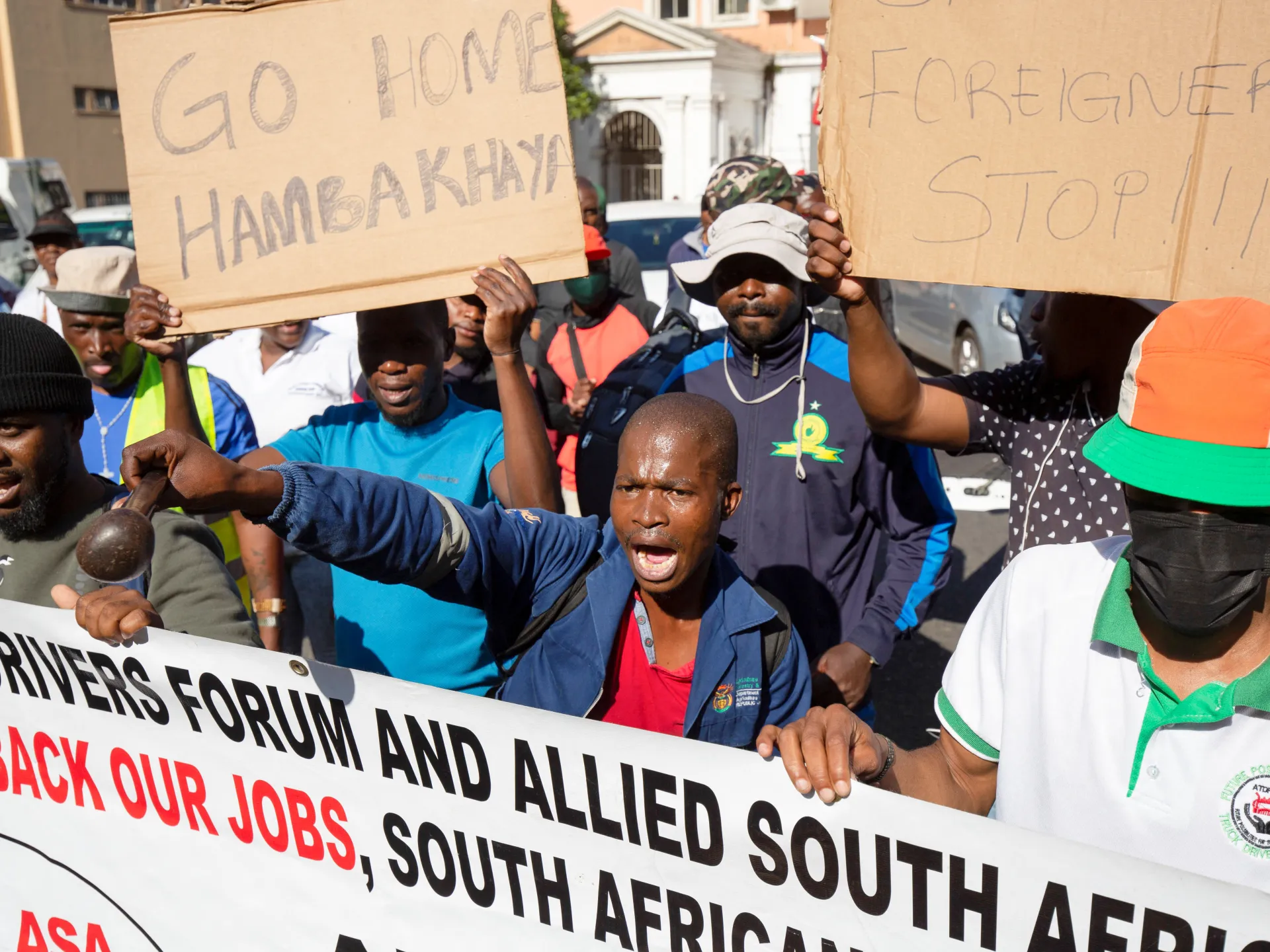
Durban, South Africa — A controversial civic group, March and March, led a high-profile protest in Durban on Wednesday, demanding tougher immigration laws and sweeping deportations of undocumented foreign nationals, in a demonstration that has ignited fierce debate across South Africa.
The march, which drew support from political players including ActionSA and the anti-migrant movement Operation Dudula, saw protesters take to the streets chanting slogans against illegal immigration and calling for stricter border controls.
At the center of the controversy was March and March leader Jacinta Ngobese-Zuma, whose remarks during the protest were widely criticized as inflammatory. She questioned the government’s stance on allowing undocumented migrants access to public services, particularly healthcare.
“If you are saying you can’t refuse them healthcare, why must it be public? Make them pay for their own healthcare if they want to be here in the country milking our resources,” she said, drawing both applause from supporters and condemnation from critics.
More Read
Also present was Herman Mashaba, leader of ActionSA, who defended his party’s participation. He accused the government of failing to manage immigration effectively, claiming that the country is being overwhelmed by undocumented migrants from across the globe.
“We are seeing our government allowing our country to be flooded by groups from all over the world… this is unacceptable,” Mashaba said, adding that ActionSA’s involvement was aimed at addressing what he described as a leadership vacuum on immigration policy.
Among the demonstrators, frustration over unemployment and economic hardship was evident. Protester Muzi Xaba argued that undocumented migrants were taking jobs meant for South Africans.
“We must remove foreigners and then hire South Africans,” he said.
The protest reflects growing tensions in South Africa, where high unemployment and strained public services have fueled resentment toward migrants. Anti-immigrant groups often accuse undocumented foreigners of contributing to crime and eroding local communities—claims that remain hotly disputed by researchers and human rights organizations.
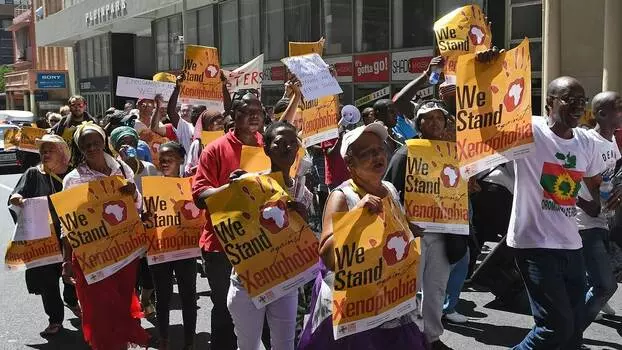
Critics warn that the rhetoric displayed during the march risks deepening xenophobic sentiments in a country that has previously experienced deadly outbreaks of anti-foreigner violence. Civil society groups argue that calls for mass deportations and restrictions on access to healthcare may violate constitutional protections and international human rights obligations.
The demonstration also underscores the rising influence of grassroots and political movements pushing for stricter immigration enforcement, as public dissatisfaction with government policy continues to grow.
As the debate intensifies, the events in Durban highlight a broader national struggle: how to address economic challenges and border control concerns without undermining human rights or social cohesion.
More Read
For now, South Africa remains sharply divided—caught between demands for tougher immigration policies and warnings of the dangers of escalating xenophobia.