In a deeply symbolic and emotional ceremony, the remains of dozens of Africans taken during the colonial era and used for scientific study in Europe were laid to rest on Monday in Steinkopf, marking a powerful step toward historical redress and cultural healing.
The remains of at least 63 individuals from the Khoi and San communities—widely recognised as the earliest inhabitants of southern Africa—were repatriated from the University of Glasgow in Scotland. For decades, they had been held at the Hunterian Museum, where they were originally sent between 1868 and 1924 during a period when African bodies were routinely exhumed and studied without consent.
Some of the remains had also been housed locally at the Iziko Museums of South Africa since the early 20th century, reflecting the long and complex journey of these ancestors before their eventual return to their homeland.
The reburial ceremony drew government officials, traditional leaders, and community members, all united in honouring lives that were once stripped of dignity. It also forms part of a broader movement across Africa to reclaim human remains and cultural artifacts removed during colonial rule.
More Read

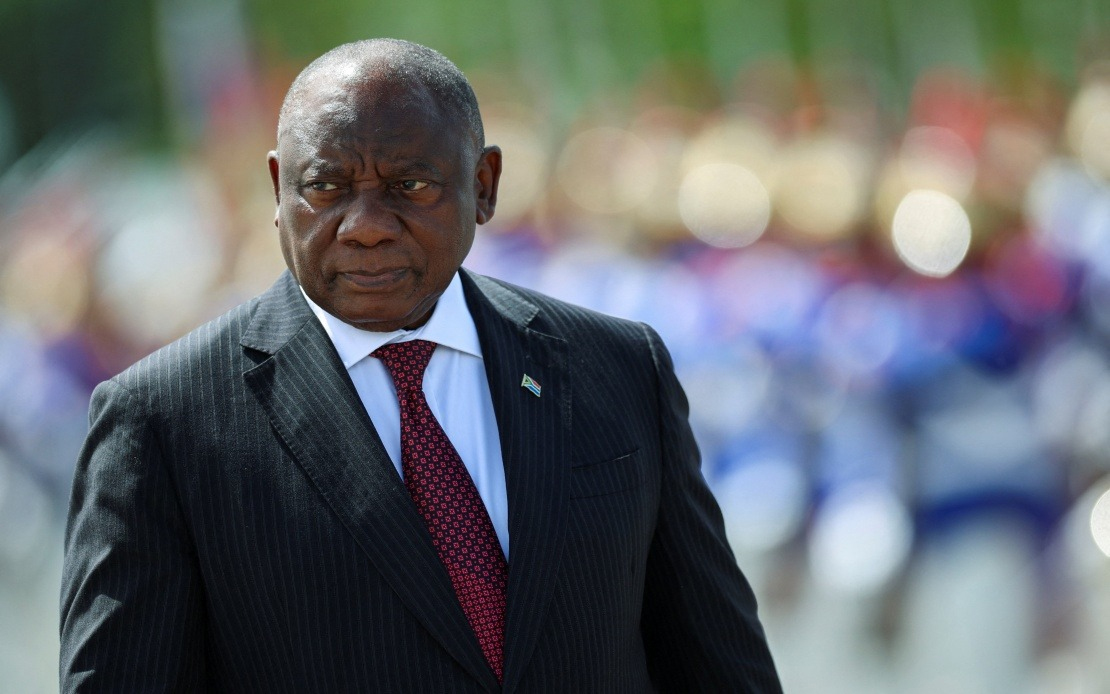
Addressing attendees, Cyril Ramaphosa described the occasion as both solemn and restorative, noting that negotiations with the University of Glasgow began in 2022 and culminated in the successful repatriation.
“They sought to reduce our ancestors into objects, but we know—and we affirm today—that our ancestors were not objects,” Ramaphosa declared, drawing applause from the crowd.
He emphasized that the return and reburial of the remains represent an important effort to restore dignity to those who were dehumanised under colonialism. He further called on European nations to confront their historical actions more directly, urging them to acknowledge past injustices and consider reparations for former colonies.
More Read

The Khoi and San peoples endured centuries of displacement, violence, and marginalisation following the arrival of European settlers. Many were killed, and others were subjected to exploitation, with their remains later becoming subjects of scientific curiosity in foreign institutions.
Monday’s ceremony in Steinkopf was not just about burial—it was about reclaiming identity, honouring resilience, and correcting a painful chapter of history. For many in attendance, it marked a long-overdue homecoming for ancestors who had been taken far from their land, and a renewed call for justice that echoes far beyond South Africa’s borders.