Nigeria’s long-running debate over the creation of state police has taken a dramatic turn, as worsening insecurity across the country pushes governors, lawmakers, and key stakeholders into a defining national conversation.
From the North to the South, opinions are sharply divided. While many states are rallying behind the proposal as a necessary solution to Nigeria’s deepening security crisis, others are raising serious concerns about potential abuse, political repression, and ethnic targeting.
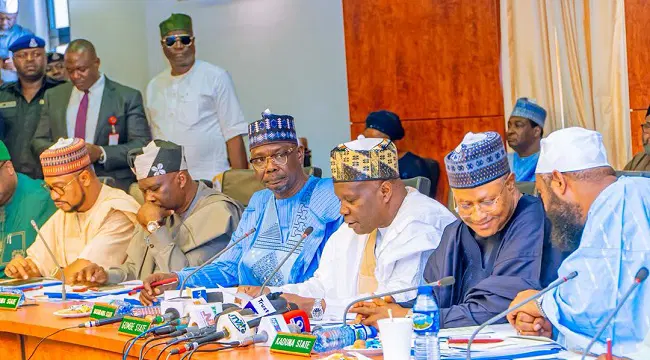
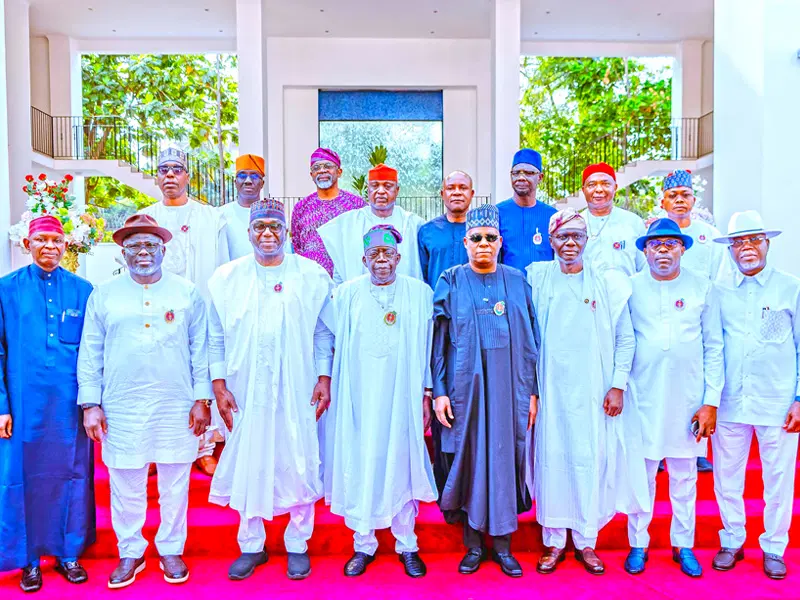
At the forefront of the push are governors such as Dapo Abiodun, Caleb Mutfwang, and Abba Yusuf, alongside leaders in Zamfara, Taraba, Kebbi, Adamawa, Nasarawa, and Kwara states. These states argue that decentralised policing will significantly improve intelligence gathering, response time, and community-based security.
Several of them have already begun laying the groundwork. In Kaduna and Plateau, recruitment and training of local security personnel are underway, while Kano has deployed thousands under its neighbourhood watch structure.
More Read
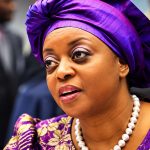
Governor Mutfwang insists that “the time for the creation of state police is now,” emphasizing that localised policing is key to tackling threats more effectively.
However, not all voices are in agreement.
Borno State Governor, Babagana Zulum, has emerged as one of the strongest critics, warning that Nigeria is not yet mature enough for such a system. He cautioned that state police could be misused by political leaders to suppress opponents or marginalise certain groups.
More Read

Similar concerns have been echoed in Sokoto and other states, where stakeholders fear that without strong safeguards, state-controlled police forces could become instruments of political control rather than public safety.
The renewed push comes at a time when Nigeria is grappling with escalating insecurity, including insurgency, banditry, kidnapping, and communal clashes—challenges that have stretched the centrally controlled police force to its limits.
President Bola Tinubu has repeatedly expressed support for the establishment of state police as part of broader efforts to strengthen national security.
In line with this vision, the Inspector General of Police, Olatunji Disu, recently inaugurated a committee tasked with developing a framework for its implementation.
However, turning the proposal into reality requires more than executive backing.
A constitutional amendment is needed—one that must be approved by at least two-thirds of the National Assembly and ratified by no fewer than 24 state Houses of Assembly.
More Read
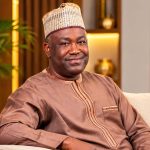
According to Kole Omololu, the responsibility now lies heavily with lawmakers. He stressed that the President cannot create state police by executive order, urging the legislature to act swiftly while calling on governors to mobilise support at the state level.
The Senate has also moved to address public concerns.
Deputy Senate President, Barau Jibrin, assured Nigerians that the framework for state police would include strict measures to ensure accountability and prevent abuse. He emphasized the need for public engagement and transparency throughout the reform process.

Across southern Nigeria, support appears stronger.
States in the South-West and South-South are already building on existing community security frameworks, while in the South-East, security experts say states like Abia are well-positioned to take the lead once the legal backing is secured.
Despite the growing momentum, experts warn that the success of state police will depend on critical factors such as funding, training, discipline, and, most importantly, oversight.
Security analysts argue that while decentralised policing is inevitable given Nigeria’s size and complexity, failure to put adequate safeguards in place could create more problems than it solves.
As the debate intensifies, Nigeria finds itself at a crucial turning point.
Will state police become the long-awaited solution to the country’s security challenges—or a risky experiment with unintended consequences?
For now, one thing is clear: the urgency for reform has never been greater, and the nation is watching closely as its leaders decide the path forward.