Nigeria has entered into a new agreement with the United Kingdom that will allow British authorities to repatriate thousands of failed asylum seekers and convicted offenders back to the country.
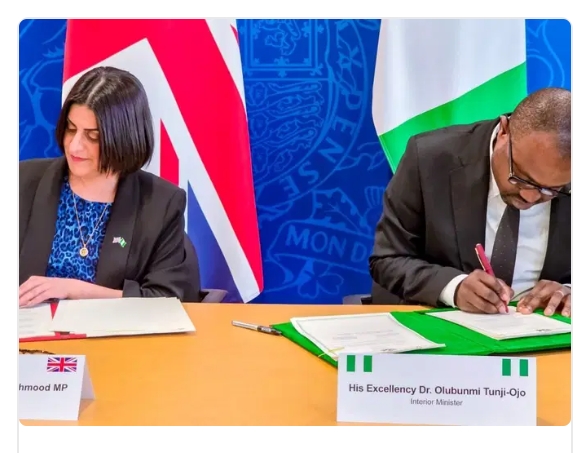
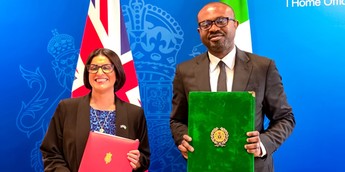
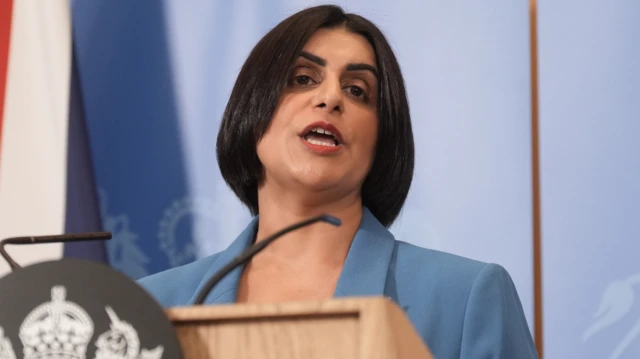
The deal was signed by Nigeria’s Interior Minister, Olubunmi Tunji-Ojo, and the UK Home Secretary, Shabana Mahmood, during President Bola Tinubu’s two-day official visit to Britain.
Under the agreement, the UK will now be able to return:
-
Failed asylum seekers
-
Visa overstayers
-
Convicted offenders
In a major policy shift, Nigeria has agreed—for the first time—to accept UK-issued letters as valid identification for deportees who do not have passports. This replaces the previous requirement for emergency travel certificates and is expected to speed up deportation processes significantly.
More Read

According to the UK Home Office, this move removes a long-standing bureaucratic hurdle that has delayed removals in the past.
Reports indicate that about 961 Nigerian failed asylum seekers and over 1,100 convicted Nigerian offenders are currently awaiting deportation in the UK. With this new deal, their return is expected to be accelerated.
Speaking on the agreement, Tunji-Ojo said Nigeria remains committed to fulfilling its international obligations and maintaining a fair and transparent relationship with the UK.
More Read

Meanwhile, UK Minister for Border Security, Alex Norris, described Nigeria as a key partner in tackling irregular migration, noting that it is the UK’s largest visa market in Africa.
Beyond deportation, both countries have agreed to strengthen collaboration through:
-
Joint enforcement operations
-
Intelligence sharing
-
Crackdown on visa fraud and criminal networks
A new “fusion cell” initiative will also target online crimes such as romance scams, investment fraud, and cryptocurrency-related offences, involving cooperation between government agencies, tech companies, and financial institutions.
This agreement comes after the collapse of a similar UK migration deal with Rwanda, which had faced heavy criticism and was later scrapped.
Details about when the new Nigeria-UK agreement will fully take effect—and whether it includes financial terms—are yet to be disclosed.