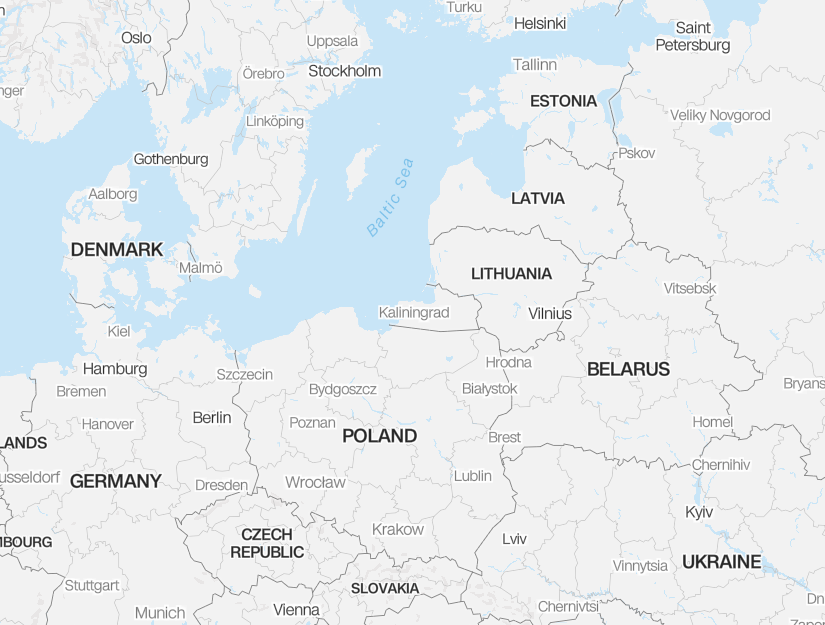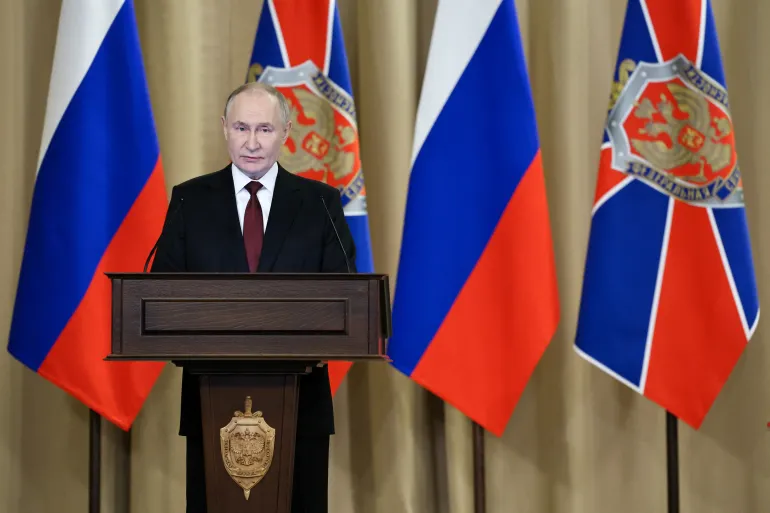
MOSCOW — Russian President Vladimir Putin has warned Western countries against further escalation in the war in Ukraine, saying Moscow could consider using “all weapons” in its arsenal, including nuclear weapons, if Russia’s Baltic exclave of Kaliningrad comes under direct attack.
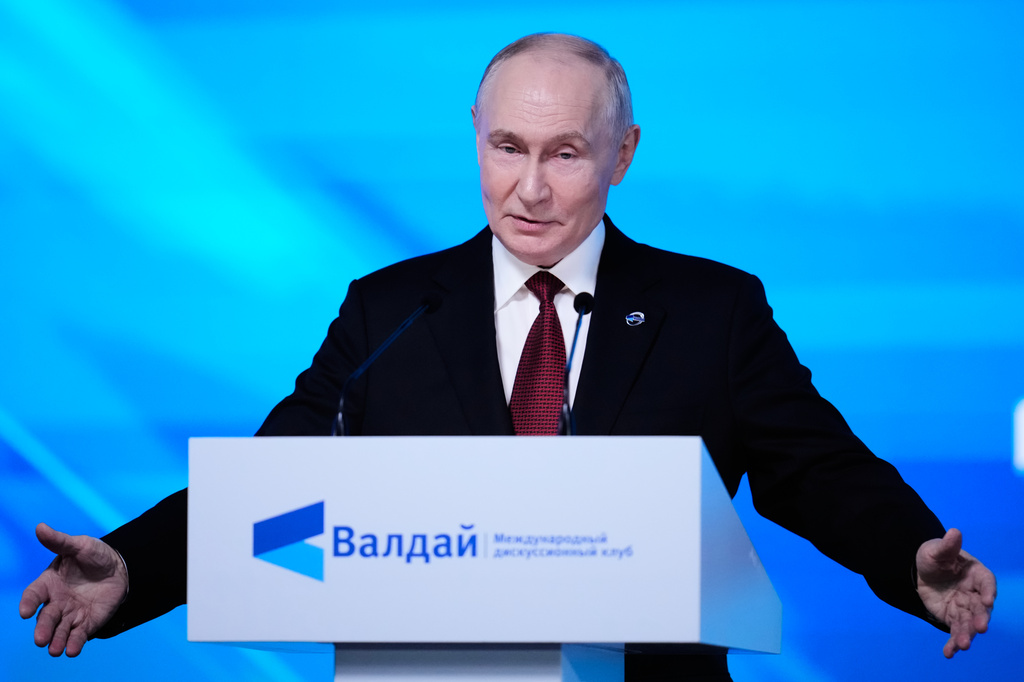
Speaking at the Valdai Discussion Club in Moscow on Thursday, Putin said Russia had no intention of attacking European countries but would respond to what he described as Western aggression against Russian territory.
Kaliningrad, a Russian territory located between NATO members Poland and Lithuania, has become a growing point of tension between Moscow and the Western military alliance.
Putin cited recent NATO military exercises in the Baltic region, as well as what he described as attempts to intercept or seize Russian vessels, as evidence of an escalation.
“The drills in the Baltic Sea, following one another … Then the attempts to arrest our ships and vessels. All this is an escalation,” Putin said.
More Read

He warned that any direct attack on Kaliningrad could bring Russia’s nuclear capabilities into consideration.
“If it comes to direct attack against the Russian Federation, in this case on Kaliningrad and possibly some other territories, of course the issue of using all weapons in our country’s arsenal will inevitably and unavoidably emerge on the agenda,” he said.
NATO has described its military exercises in the region as defensive measures intended to strengthen deterrence. Western governments have also accused Russia of conducting hybrid operations, including cyberattacks, sabotage and espionage.
More Read

Ukraine War Continues Into Fifth Year
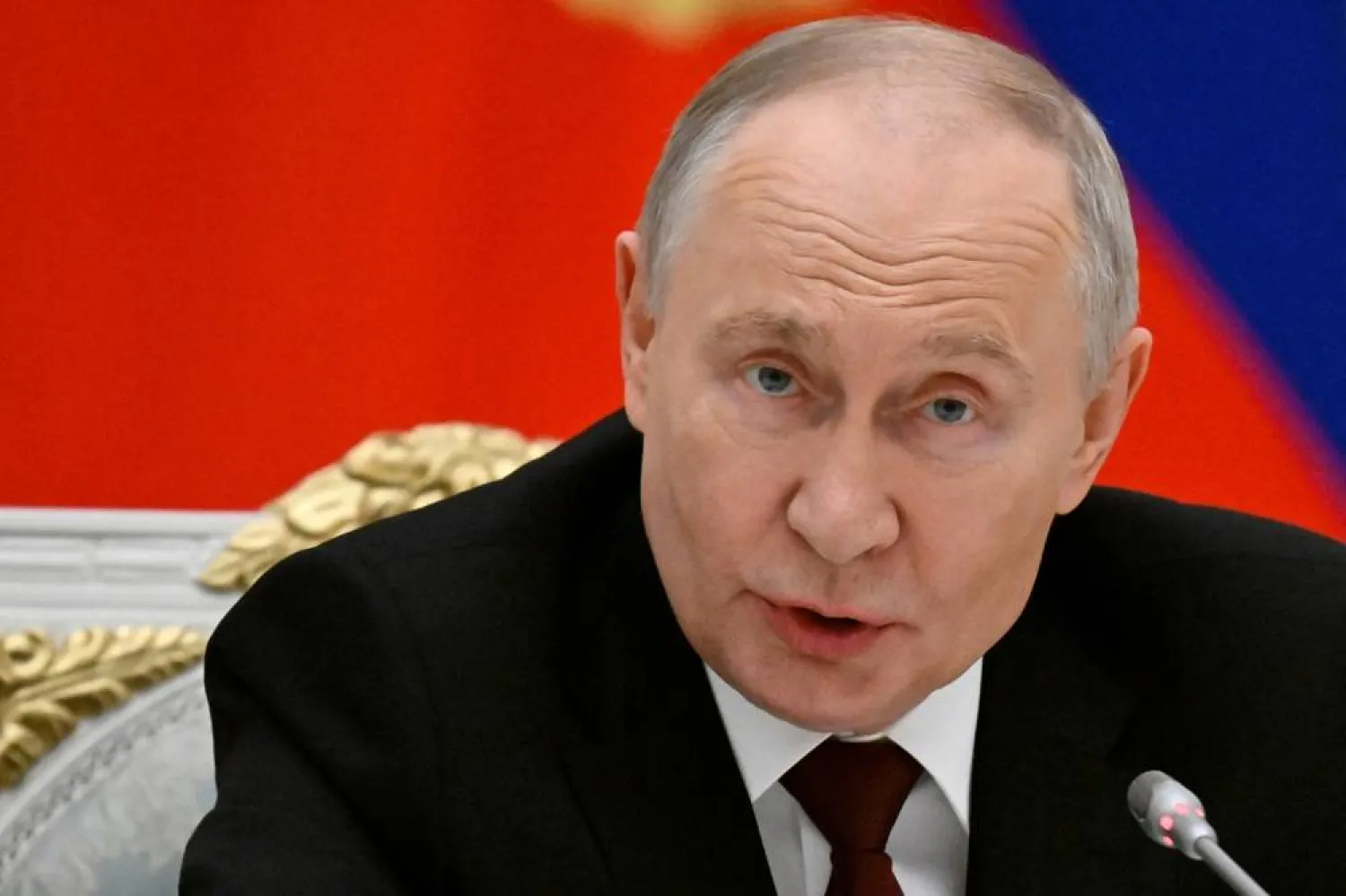
The warning comes as Russia’s war in Ukraine enters its fifth year, with Moscow continuing its military campaign and intensifying strikes against Ukrainian energy infrastructure and targets in Kyiv ahead of another winter.
At the same time, Ukrainian drone attacks inside Russia have increasingly affected the Russian economy.
Ukrainian strikes on oil refineries have contributed to fuel shortages in several parts of Russia, with reports of long queues at petrol stations in major cities. Kyiv has described its long-range attacks as “long-range sanctions,” arguing that they are intended to reduce Russia’s revenues and military capacity and pressure Moscow toward negotiations.
Putin acknowledged that Ukrainian attacks had caused economic losses, saying Russia’s economy had lost approximately 1% of GDP as a result of the strikes.
He also claimed that Ukrainian military operations in the Black Sea had resulted in more than 100 Russian vessels being damaged or destroyed.
More Read

“We started hitting back, and now we’re being bombarded from every direction with appeals: ‘Oh, please stop doing that,’” Putin said.
Regarding attacks on Russian oil refineries, he said Moscow had responded with what he described as a “mirror-image response.”
Putin Says Russia’s Economy Remains Secure
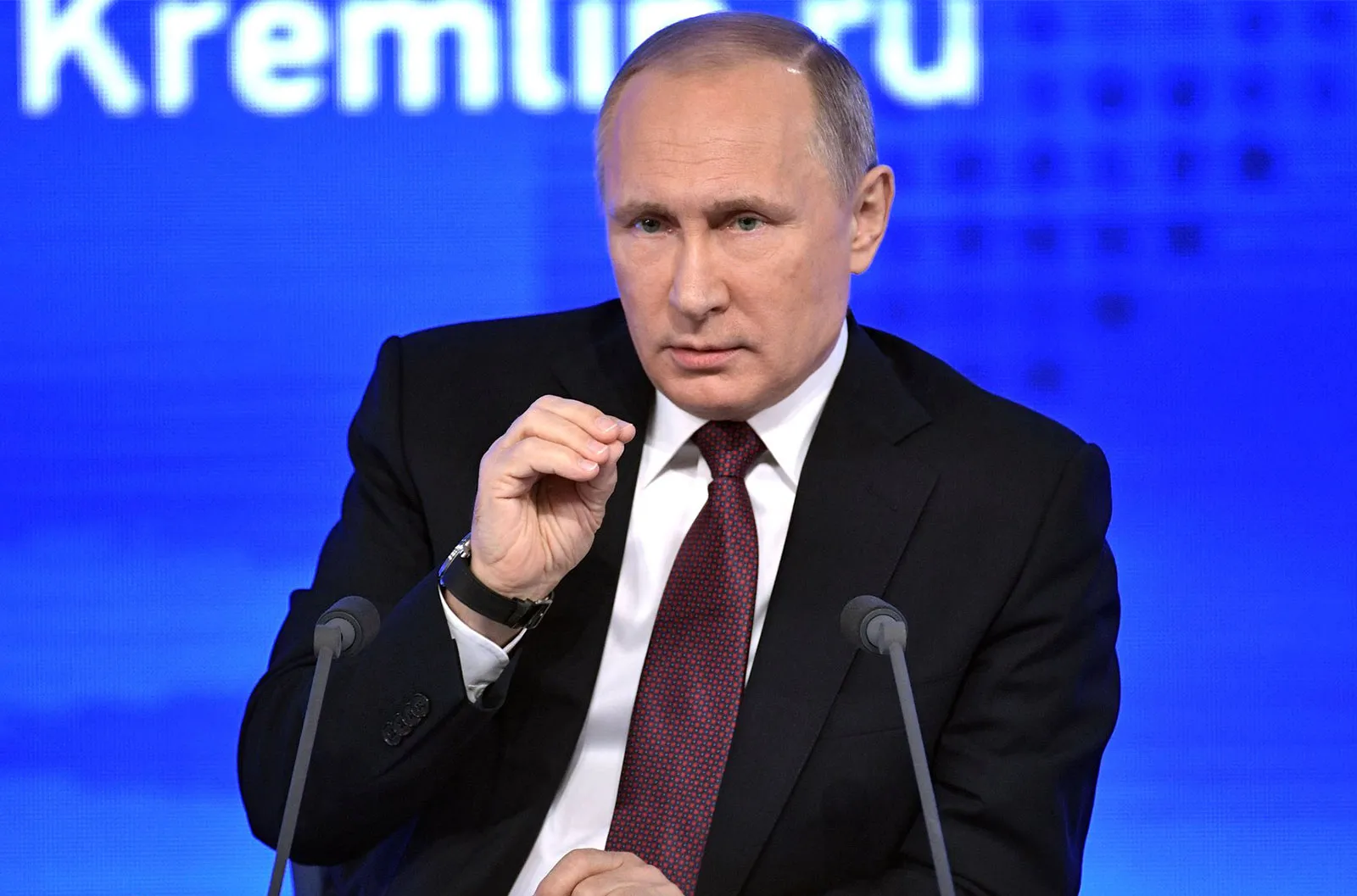
Putin’s comments about the economic impact of the attacks came a day after he told newly elected members of Russia’s State Duma that the country’s economy and financial system remained stable.
He also criticized Ukraine’s dependence on financial assistance from Western governments, arguing that Russia did not need similar external support.
“Russia’s financial system and economy are secure,” Putin told lawmakers.
Despite his continued warnings and commitment to Russia’s military campaign, Putin has also said he would prefer the conflict to ultimately end through negotiations.
A Levada Center poll conducted in August found that 59% of Russians surveyed supported moving toward peace negotiations, according to the report.
Russia Plans Major Increase in Defense Spending
Meanwhile, documents reviewed by Reuters indicate that Russia plans to allocate 17.1 trillion rubles, or about $205 billion, to defense spending in 2027.
The proposed figure is reportedly around 27% higher than the amount initially budgeted and would represent the highest level of Russian defense spending since the country’s full-scale invasion of Ukraine began in February 2022.
The proposed increase underscores the scale of resources Moscow continues to dedicate to the war, even as the Kremlin publicly maintains that Russia’s economy remains resilient.
Putin’s latest warning over Kaliningrad adds another layer of tension between Russia and NATO, with the possibility of direct confrontation over the strategically important Baltic territory remaining a major concern for European security.