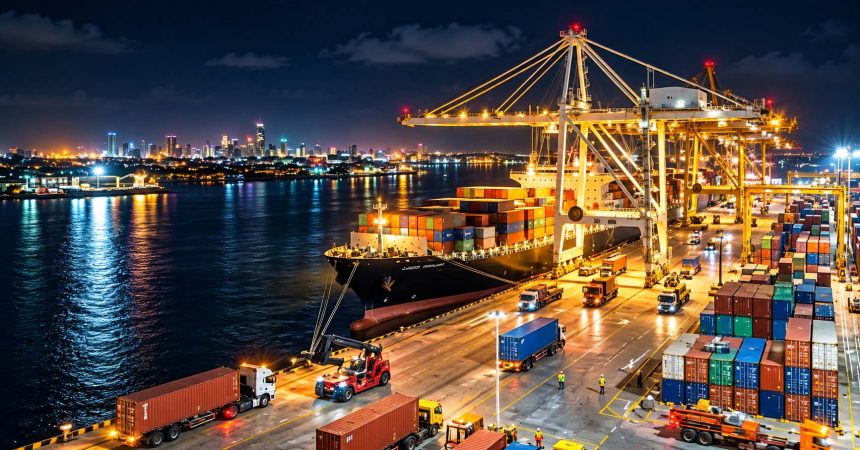
Onne, Rivers, Delta and Calabar ports to undergo comprehensive upgrades as government seeks to ease congestion, reduce cargo delays and strengthen Nigeria’s maritime capacity.
The Federal Government has approved the comprehensive modernisation and upgrade of four major seaports outside Lagos as part of a broader strategy to expand Nigeria’s maritime infrastructure, ease pressure on the country’s busiest ports and strengthen its position as a regional trade hub.
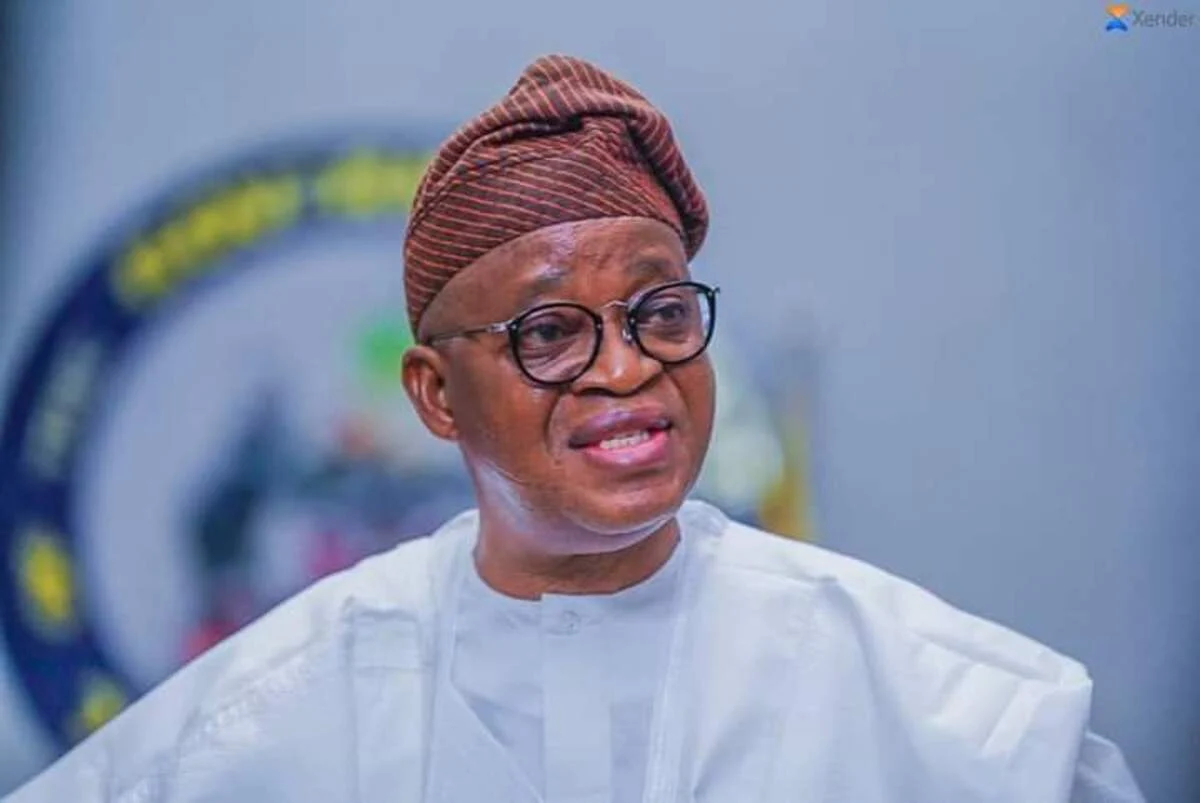
The Minister of Marine and Blue Economy, Adegboyega Oyetola, disclosed this on Sunday, announcing that the approval covers the Onne, Rivers, Delta and Calabar ports.
The latest development follows the government’s earlier approval for the modernisation of the Apapa and Tin Can Island ports in Lagos, extending the ongoing port renewal programme to more of Nigeria’s major maritime facilities.
According to Oyetola, the initiative is designed to create a more balanced national port system by distributing cargo traffic across different regions, improving the efficiency of goods movement and reducing the concentration of international trade activities in Lagos.
He said the upgrades would help improve cargo-handling capacity, reduce the time vessels spend at Nigerian ports and make cargo transportation more reliable for businesses and importers.
The minister described modern port infrastructure as a critical driver of economic growth, noting that efficient maritime facilities could lower the cost of doing business, attract investment and create employment opportunities.
“These ports have strategic roles to play in our trade, industrial and regional development, and we are determined to equip them to meet the demands of a growing economy,” Oyetola said.
Government Expands Port Renewal Programme
The approval forms part of the Federal Government’s wider efforts to modernise existing maritime infrastructure while supporting the development of new deep seaports across the country.
In addition to the upgrades planned for the six major ports, the government has approved the development of several deep seaport projects, including the Ibom Deep Seaport in Akwa Ibom State, Bakassi Deep Seaport in Cross River State, Agge Deep Seaport in Bayelsa State, Gateway Deep Seaport in Ogun State, Ondo Deep Seaport in Ondo State and Bonny Deep Seaport in Rivers State.
Oyetola said the simultaneous development of new ports and the modernisation of existing facilities would provide Nigeria with the capacity to accommodate increasing cargo volumes and create new economic opportunities across different regions.
He described the strategy as a comprehensive approach to developing the country’s maritime sector, adding that the government was committed to ensuring that existing infrastructure was improved alongside the construction of new facilities.
“Our approach is comprehensive. We are modernising existing ports while facilitating the development of new deep seaports,” he said.
Integrated Transport Network to Drive Efficiency
The minister also emphasised the importance of developing an integrated transportation system that connects seaports with roads, railways and inland waterways to facilitate the efficient movement of goods across the country.
He said the government’s long-term vision was to establish a coordinated logistics network capable of reducing transportation costs, minimising delays and improving the competitiveness of Nigerian ports in the international shipping industry.
According to him, efficient connections between ports and other modes of transportation would enable businesses to move cargo more reliably while improving access to markets and industrial centres across the country.
The government believes that expanding port capacity and improving logistics infrastructure will help position Nigeria as a major maritime and commercial hub in Africa.
Stakeholders to Collaborate on Implementation
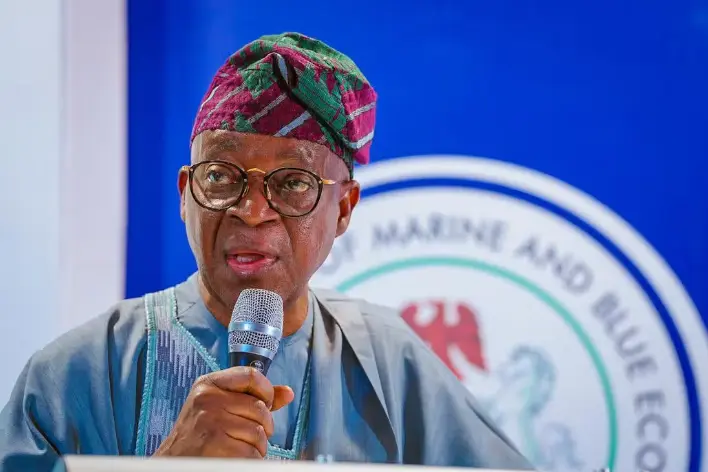
Oyetola said the Ministry of Marine and Blue Economy would collaborate with state governments, port operators, investors, shipping companies and other relevant stakeholders to ensure the successful implementation of the projects.
He stressed that the ultimate objective was to deliver measurable improvements in port operations, create a more transparent and efficient maritime environment and encourage greater private-sector participation.
The minister added that Nigeria possessed the market size, strategic geographical location and maritime resources required to become a major maritime hub on the continent.
However, he said achieving that ambition would require sustained investment in infrastructure, effective policies and cooperation among public and private-sector stakeholders.
The latest approvals signal the government’s continued focus on expanding the country’s maritime capacity, with the proposed modernisation of the four ports outside Lagos expected to form a key part of its broader port development strategy.
The government’s stated objective is to establish a more efficient and globally competitive port system that supports trade, attracts investment and creates employment opportunities while strengthening Nigeria’s role in regional and international commerce.