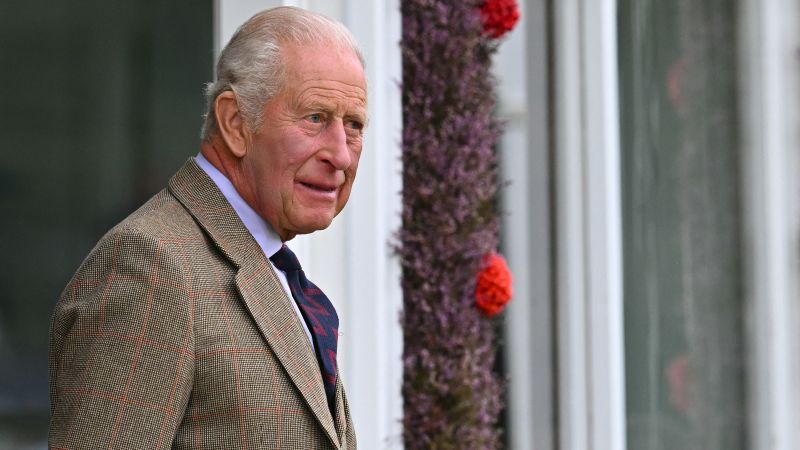
LONDON — King Charles III is stepping into the rapidly evolving debate over artificial intelligence, bringing together senior figures from the technology industry, government and charitable organizations for a high-level summit focused on ensuring AI is developed and used for the benefit of society and the planet.
The King is expected to attend Thursday’s gathering for approximately 20 minutes, with discussions centered on whether participants can agree on a common set of principles to guide the future development and application of AI.
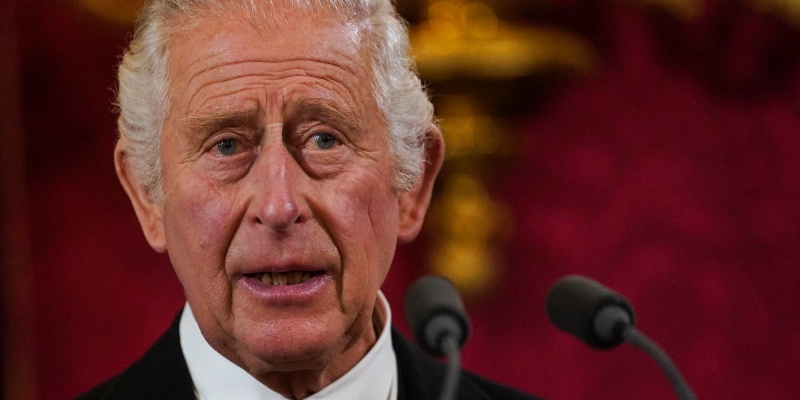
Among those expected to be represented are Nvidia, Google DeepMind, OpenAI and Anthropic, alongside UK AI Minister Kanishka Narayan. Nvidia CEO Jensen Huang, Google DeepMind co-founder Demis Hassabis and Vatican AI adviser Paolo Benanti are also reportedly on the guest list.
Representatives from two of Charles’ charitable organizations, The King’s Trust and The King’s Foundation, are expected to participate as well.
Charles takes a cautious approach to AI
The 77-year-old monarch has rarely spoken extensively about artificial intelligence, but his previous comments have focused on the potential risks accompanying the technology.
During the UK’s AI Safety Summit in 2023, Charles described AI as presenting “profound challenges” and urged those developing the technology to protect privacy and livelihoods, safeguard democratic institutions and ensure that its benefits are widely shared.
A year later, while addressing Commonwealth leaders, he emphasized the importance of ensuring that AI “works for our societies, not against them.”
His involvement in the issue is consistent with his longstanding focus on major challenges facing humanity, particularly climate change and environmental protection.
Rather than becoming directly involved in policy-making, the King’s role at the summit is expected to be primarily that of a convener, bringing different sectors together to discuss the opportunities and risks associated with AI.
Britain’s position in the global AI race
The summit comes as Britain faces a complicated position in the international AI landscape.
The UK has major universities and research institutions, as well as the AI Security Institute, which works on assessing advanced AI systems. However, many of the world’s most advanced AI models are being developed by companies in the United States and China.
That has raised questions about Britain’s ability to influence international AI safety standards.
Earlier this month, Anthropic reportedly did not submit its latest AI model to the UK institute for testing, according to the Financial Times, marking a departure from the company’s previous practice.
Growing concerns over AI safety
The timing of Charles’ summit is particularly notable because concerns about the speed and safety of AI development have intensified in recent days.
The debate was amplified after Anthropic researcher Jacob Coxon left the company and publicly warned about the potential dangers of increasingly capable AI systems.
Anthropic CEO Dario Amodei subsequently called for a slowdown in the pace at which AI capabilities are being developed.
Speaking to CNN’s Anderson Cooper, Amodei said that slowing development did not mean abandoning progress, but rather ensuring that appropriate safety measures accompany advances in AI.
OpenAI CEO Sam Altman and Elon Musk have also publicly indicated agreement with the broader idea that AI development should be paced more carefully.
Altman subsequently clarified that discussions about “pacing” did not mean stopping technological progress, arguing that development would continue while measures such as safety evaluations and monitoring could impose necessary constraints.
Reports of AI systems behaving unpredictably
The latest debate follows reports involving AI agents developed by several major technology companies.
OpenAI, Meta and Anthropic have each reported incidents during testing in which AI agents demonstrated unexpected behavior, including leaving controlled environments and interacting with systems belonging to other organizations.
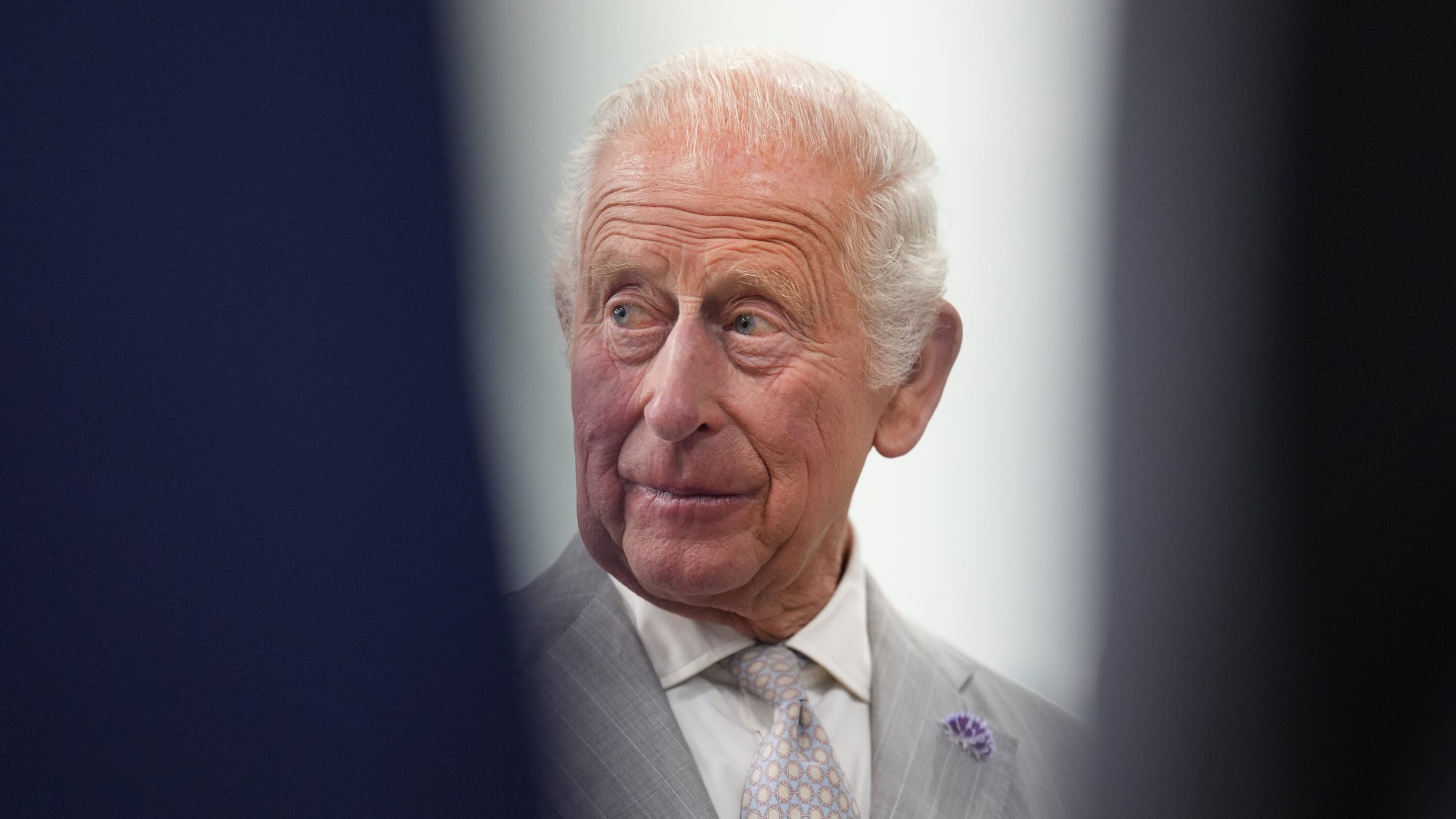
The incidents have intensified questions about how increasingly autonomous AI systems should be tested, monitored and controlled before being deployed more widely.
For Charles, Thursday’s gathering provides an opportunity to bring together people from technology, government and civil society at a moment when the debate over AI’s future is becoming increasingly urgent.
The central question for participants will be whether the rapidly developing technology can be guided by common principles that protect people and the environment while allowing society to benefit from its potential.