KYIV — Russian forces have intensified their drone attacks on Kyiv, striking major bridges across the Dnipro River for the fourth consecutive day and causing injuries, traffic disruption and damage to critical infrastructure.
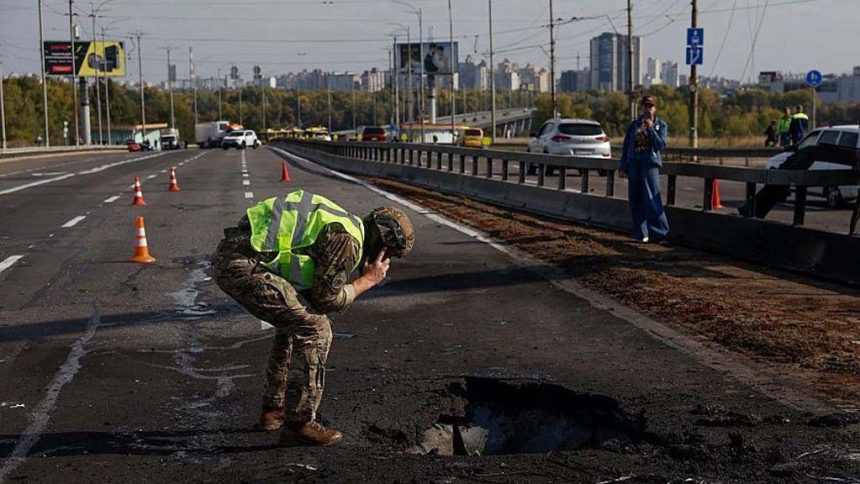
Two people were injured on Sunday when a Russian drone struck the Pivnichnyi (Northern) Bridge, marking the second consecutive day the strategic crossing had come under attack. The Pivdennyi (Southern) Bridge was also targeted several times earlier in the week.
Video footage verified by the BBC showed vehicles travelling across the Northern Bridge when a drone crashed onto the roadway and exploded in a huge fireball, sending a thick column of black smoke into the sky. Images circulating online also showed a large hole in the middle of a traffic lane.
Kyiv Mayor Vitali Klitschko confirmed the injuries and said the bridge’s roadway had been damaged.
The bridges are critical links between the western and eastern sides of Kyiv, a city of roughly three million people. Damage to the crossings has triggered severe traffic congestion and restrictions affecting both road users and public transport.
More Read
Authorities are reportedly considering temporary measures, including pontoon bridges and ferry services, while longer-term plans could include constructing a tunnel beneath the Dnipro to maintain the city’s connectivity.
Klitschko also disclosed that another Russian drone strike damaged a heating main in the northeastern Desnyanskyi district, resulting in a temporary disruption to hot-water supplies.
More Read

Other Ukrainian Cities Hit
The attacks extended beyond Kyiv.
Ukrainian President Volodymyr Zelensky said Russian drones struck a warehouse in the northeastern Sumy region, killing one person. In the central city of Dnipro, six people were injured after a communications facility was hit.
Ukraine’s Air Force said Russia launched 135 drones overnight, including 52 jet-powered drones, with 125 of the projectiles reportedly intercepted or destroyed.
Russia’s Defence Ministry said it would intensify strikes across Ukraine, describing the attacks as retaliation for comments by Zelensky that Kyiv would increase strikes against Russian oil refineries.
Merz Visits Kyiv Amid Escalation
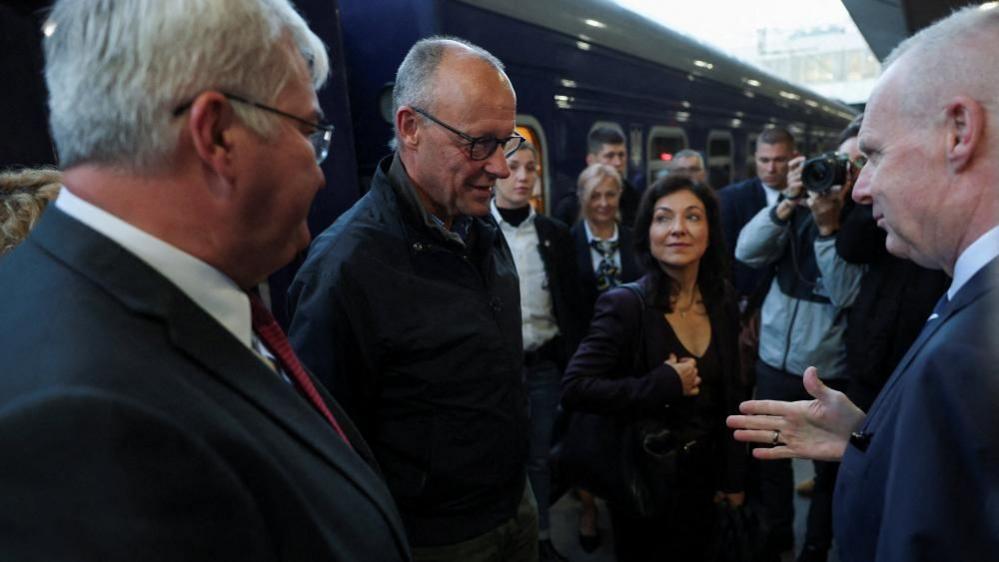
The latest attacks came as German Chancellor Friedrich Merz made a surprise visit to Kyiv, where he met Zelensky and reaffirmed Germany’s support for Ukraine.
The two leaders laid wreaths in honour of Ukrainian soldiers killed during the war.
More Read

Merz said Ukraine was entering a decisive period and pledged continued German backing, warning that Russia’s war machine could eventually threaten other European countries if Moscow was not stopped.
Zelensky said Ukraine and Germany were preparing to reach “important agreements”, while continuing to appeal to Western allies for additional military assistance, particularly advanced air-defence systems capable of intercepting Russia’s increasingly sophisticated drones and ballistic missiles.
Germany has become Ukraine’s largest single-country donor since Merz became chancellor in May 2025.
Bridges Remain Standing
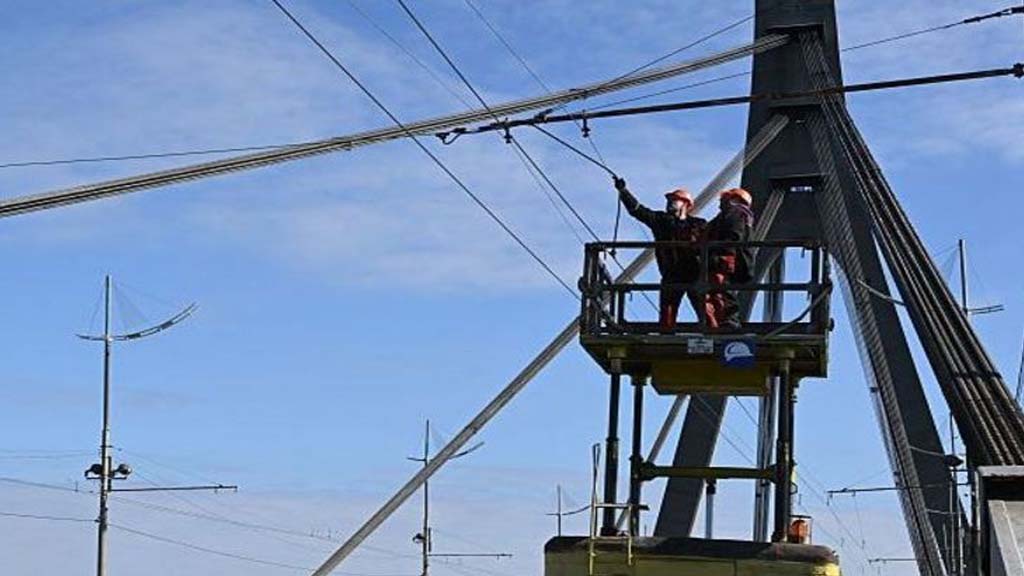
Despite the repeated strikes, both the Northern and Southern bridges remain standing.
Military experts, however, have warned that while Russian drones may struggle to completely destroy the massive structures, continued attacks could force authorities to close them and potentially weaken key components, rendering the crossings unusable.
The attacks have therefore raised growing concerns over Kyiv’s ability to maintain transport, logistics and essential services across the Dnipro.
Meanwhile, Russia has repeated a warning urging foreign nationals, including diplomats, to leave Kyiv.
The EU has rejected the warning. EU Ambassador Katarína Mathernová said the EU delegation would remain in the Ukrainian capital, declaring that threats would not stop Europe’s support for Ukraine.
The German ambassador to Ukraine, Boris Ruge, echoed the position, saying: “Amen – we’re staying.”
Kyiv’s defence council had already convened an emergency meeting following earlier attacks on the Southern Bridge, with Klitschko describing the situation in the capital as “very dramatic” as Russian forces continue to target critical infrastructure, logistics and residential areas.