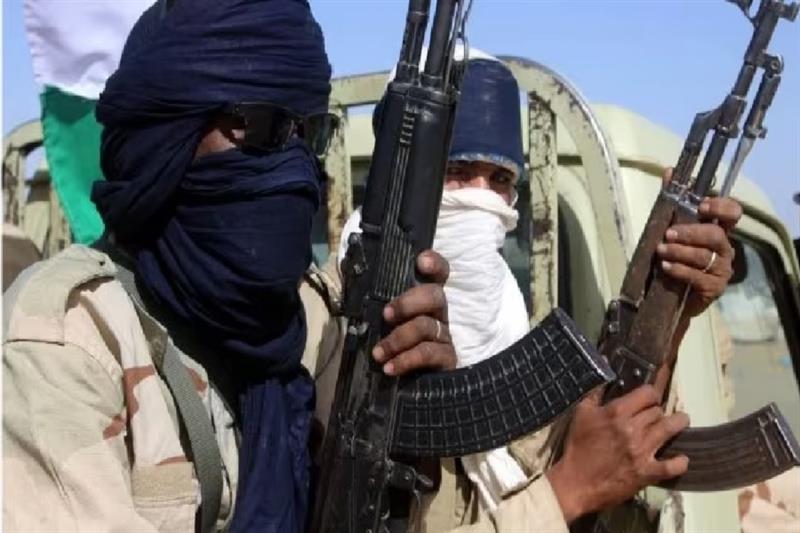
Parents and relatives of 78 schoolchildren abducted in two separate attacks by suspected Boko Haram insurgents in Borno State are enduring months of anguish and uncertainty, as they continue to appeal to the Federal Government to secure the release of their children.
The families say their hopes of seeing the children return home have been overshadowed by fear, trauma and the lack of a confirmed rescue, with some of the abductees still believed to be in terrorist captivity more than four months after the attacks.
The abductions occurred in Mussa and Lassa communities in Askira-Uba Local Government Area of southern Borno State, where the attacks have left families devastated and raised fresh concerns about the safety of schools in the region.
The first incident occurred on the morning of May 15, when suspected insurgents riding motorcycles invaded Mussa Primary and Junior Secondary School, abducting dozens of pupils.
According to figures released by the Borno State Government and Senator Mohammed Ali Ndume, who represents Borno South in the Senate, 42 people were taken during the attack.
They included 28 pupils from the primary school, four students from the junior secondary school and 10 toddlers, aged between 20 months and three years, who were reportedly abducted from playgrounds at nearby homes.
The second attack occurred on June 29, when suspected terrorists invaded Government Secondary School in Lassa, another community in Askira-Uba, and abducted 36 students and a teacher.
The two incidents brought the reported number of abductees to 78 children and students, deepening fears among residents and raising questions about the security of educational institutions in the area.

Families recount trauma as children remain missing
For the families, the prolonged separation has brought emotional suffering and uncertainty, with some parents fearing they may never see their children again.
“We sent them to school hoping that one day, they will become better persons in society, make their contributions and support their parents in old age, but it appears all these dreams are gone. Boko Haram has carried them away,” Yohanna Musa Lassa, uncle to one of the abducted students, told Sunday Sun.
He disclosed that his brother, whose son was among the 36 students abducted from Lassa Secondary School on June 29, had been experiencing depression since the incident.
The uncle said the family had been struggling to cope with the psychological impact of the abduction, as the fate of the children remained uncertain.
In Mussa, the pain of the incident was recently brought into sharp focus when parents and relatives gathered under heavy rainfall to pray and remember the victims.
Clutching photographs of their missing children, the grieving families wept openly and chanted, “Save our children,” as they renewed their calls for urgent government intervention.
The gathering was organised to commemorate the May 15 attack, which saw suspected Boko Haram insurgents storm the community and abduct 42 children.
Residents said the attackers had fired several shots into the air to instil fear before entering the school premises, classrooms and playgrounds in nearby homes.
The insurgents reportedly seized children, including toddlers as young as two years old, placed them on motorcycles and fled towards the Sambisa Forest, a former operational base of Boko Haram.
Mussa is located close to the forest, which has long been associated with insurgent activities in the region.
Father fears for four-year-old daughter
Among those struggling to come to terms with the incident is Musa Chinda, whose four-year-old daughter was among the abducted children.
“It was a sad day for us in Mussa,” Chinda told Saturday Sun, describing the attack as a devastating experience for families in the community.
He said the failure to secure the children’s release months after the incident had significantly weakened his confidence that the abductees would survive.
Chinda also expressed disappointment over what he described as the Federal Government’s silence on efforts to rescue the children.
He urged President Bola Tinubu to intervene and direct security agencies to intensify efforts to secure their freedom, pointing to the government’s response to the reported abduction at Oriire School on the same day as the Mussa attack.
“The Federal Government has been silent about the rescue of our children and this worries us as parents directly affected,” he said.
He appealed to the President to issue a similar directive to ensure the safe return of the missing children before it was too late.
According to Chinda, parents have continued to make passionate appeals to the authorities since the attacks, but the prolonged wait has left them increasingly distressed.
He warned that the youngest abductees were particularly vulnerable because of their age and dependence on their mothers for care.
“About four of these children are still around two years. Some are just about three years. These children are too young and will need the care of their mothers,” he said.
Chinda expressed concern that the children could be exposed to diseases, malnutrition and other health risks while in captivity, especially because of their young ages.
Community turns to prayers amid uncertainty
As families continue to await news of their missing children, community members have also turned to prayer, hoping that divine intervention and military operations will lead to their release.
Mrs Saratu Buba, a relative of one of the affected parents, expressed optimism that the 78 abductees could still be rescued.
She called on Nigerians to join the affected families in praying for the safe return of the children and an end to their ordeal.
For the parents, however, the prayers are accompanied by persistent fears about the children’s health, safety and emotional wellbeing after months away from home.
The abductions have also renewed concerns about the vulnerability of schools and communities in southern Borno, where armed attacks have disrupted education and placed families under prolonged psychological strain.
Borno government promises collaboration with security agencies
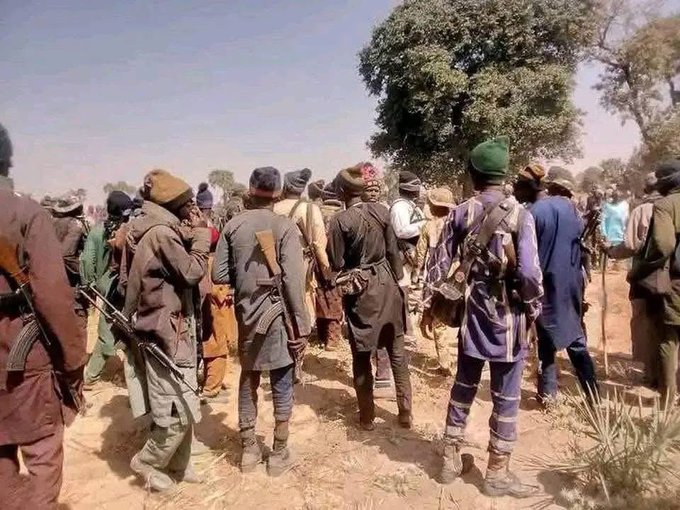
Meanwhile, the Borno State Government has acknowledged the threat posed by terrorist attacks on educational institutions and said it is working with security agencies to secure the release of the abducted children.
The state’s Commissioner for Education, Science, Technology and Innovations, Lawan Abba Wakilbe, recently condemned attacks on schools and other educational institutions by terrorists and armed groups, describing them as a major obstacle to the development of education in the state.
At a stakeholders’ forum on education, Wakilbe said the state government was collaborating with the military and other security agencies to facilitate the rescue of the children and strengthen security around schools.
He also disclosed that the government had closed and relocated Mussa and Lassa schools under the Safe Schools Initiative following the May 15 and June 29 attacks.
The move was intended to protect students and staff while addressing the security challenges facing the affected communities.
However, uncertainty remains over when the affected schools will reopen, as efforts to obtain further clarification from the commissioner were unsuccessful.
The prolonged captivity of the children has left parents and residents demanding more urgent action, as they continue to wait for news of their loved ones.
For the affected families, the priority remains the safe return of all 78 abductees and the restoration of a sense of security in their communities.