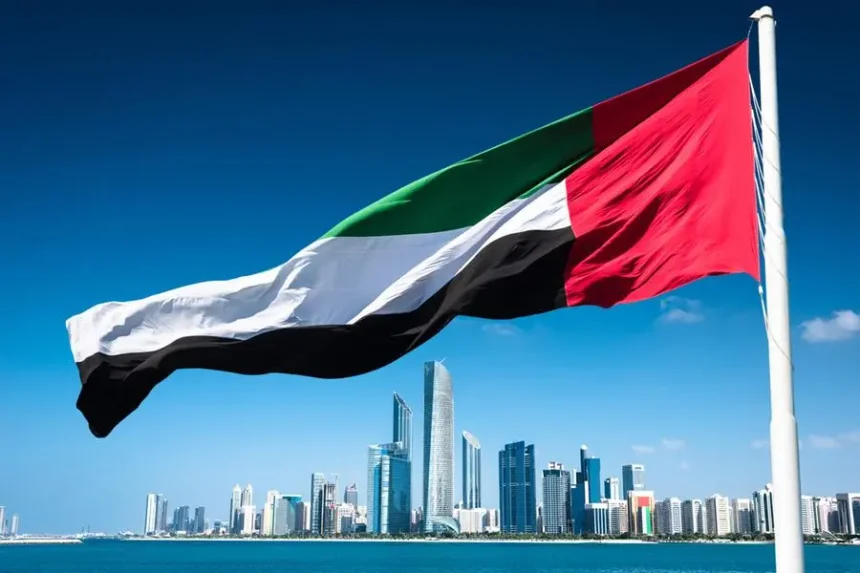
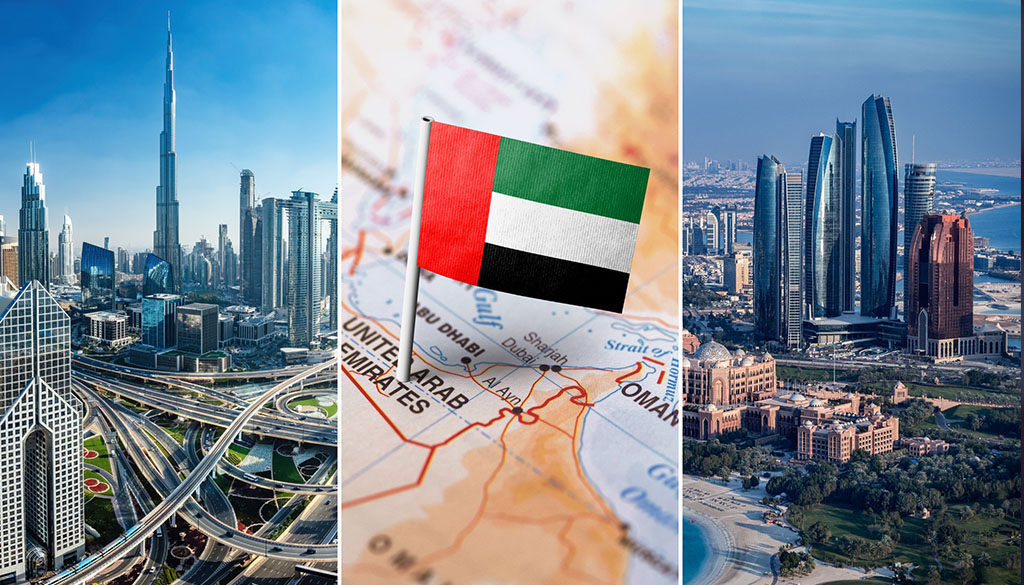
The United Arab Emirates has warned that any resolution to the escalating conflict between the United States and Iran must guarantee unrestricted access through the Strait of Hormuz, cautioning that failure to address Iran’s nuclear ambitions and missile capabilities could trigger a more dangerous and unstable Middle East.
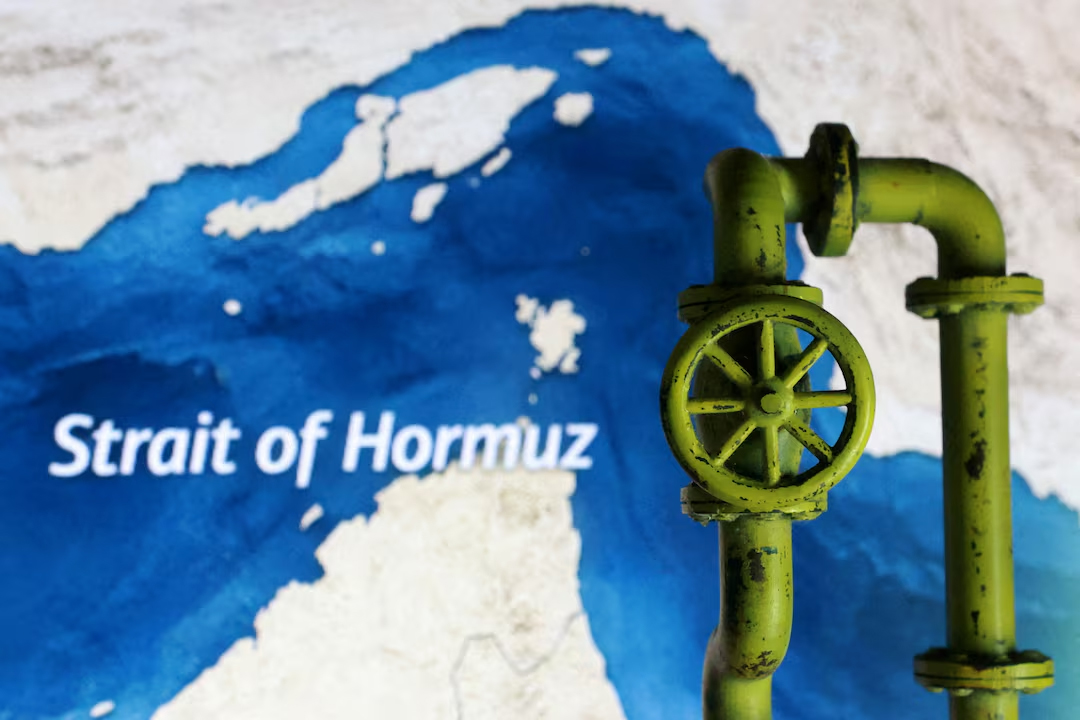
Anwar Gargash, diplomatic adviser to the UAE president, said over the weekend that the strategic waterway — through which roughly a fifth of the world’s oil and liquefied natural gas passes — must never be used as leverage in geopolitical disputes.
“The Strait of Hormuz cannot be held hostage by any country,” Gargash said, stressing that freedom of navigation must be a core element of any settlement. “Its security is not a regional bargaining chip, but a global economic imperative.”
His remarks come amid intensifying hostilities that have disrupted shipping traffic and contributed to a growing global energy crisis.
More Read

Gargash said the UAE supports efforts to end the war but warned against a ceasefire that leaves underlying tensions unresolved. He pointed specifically to Iran’s nuclear programme and its continued use of missiles and drones in attacks across the region.
“We don’t want to see more escalation,” he said. “But we don’t want a ceasefire that fails to address the main issues that will create a much more dangerous environment in the region.”
The conflict, now in its sixth week, began after U.S. and Israeli forces launched coordinated strikes on Iran following a breakdown in nuclear negotiations. Washington and its allies said the attacks were aimed at neutralising what they described as an imminent threat posed by Iran’s nuclear development and ballistic missile arsenal.
More Read


Iran responded with waves of missile and drone strikes targeting Israel, U.S. military installations, and critical infrastructure in Gulf states, including airports, ports and energy facilities. Regional officials say the UAE has borne the brunt of these attacks.
U.S. President Donald Trump has taken a hardline stance, threatening further strikes on Iranian energy and transport infrastructure if Tehran fails to reopen the Strait of Hormuz and reach an agreement. His warnings, delivered in strongly worded public statements, have drawn criticism from some quarters, with concerns raised over the potential humanitarian and legal implications of expanded attacks.
Gargash said the UAE is prepared to participate in any U.S.-led international initiative to secure shipping routes in the Gulf, underscoring the country’s alignment with Washington on regional security matters.
He added that Iran’s actions are likely to deepen security ties between Gulf states and the United States, reinforcing Washington’s military presence in the region while expanding Israel’s strategic footprint.
According to Gulf officials, Iran’s targeting of energy infrastructure and key maritime routes appears aimed at raising economic pressure on U.S. allies in the region, potentially forcing them to push for a halt to the military campaign.
More Read

For years, Gulf states have sought to balance relations with both Washington and Tehran, pursuing diplomatic engagement to reduce tensions and shield their economies from regional shocks. However, the current escalation has strained those efforts.
Gargash said Iran’s leadership appears focused on preserving the regime rather than protecting the country, arguing that no responsible government would accept widespread destruction to claim resistance.
Despite the intensifying conflict, he said the UAE has demonstrated resilience. While acknowledging the economic challenges posed by the crisis, Gargash expressed confidence in the country’s ability to recover, citing strong economic fundamentals.
He also highlighted international support for the UAE, praising France as a steadfast partner and the United States for enhancing the country’s air defence capabilities.
As tensions continue to rise, the UAE’s message remains clear: any path to peace must go beyond a temporary halt in fighting and address the deeper security concerns shaping the region’s future.