
With just over two weeks until Benin heads to the polls, the race for the presidency has officially begun, setting the stage for a closely watched contest between government continuity and opposition resurgence.
At the centre of the race is incumbent Finance Minister Romuald Wadagni, widely seen as the frontrunner and the preferred successor to outgoing President Patrice Talon. He faces off against veteran opposition figure Paul Hounkpé, who launched his campaign with a strong message of confidence in the commercial capital, Cotonou.
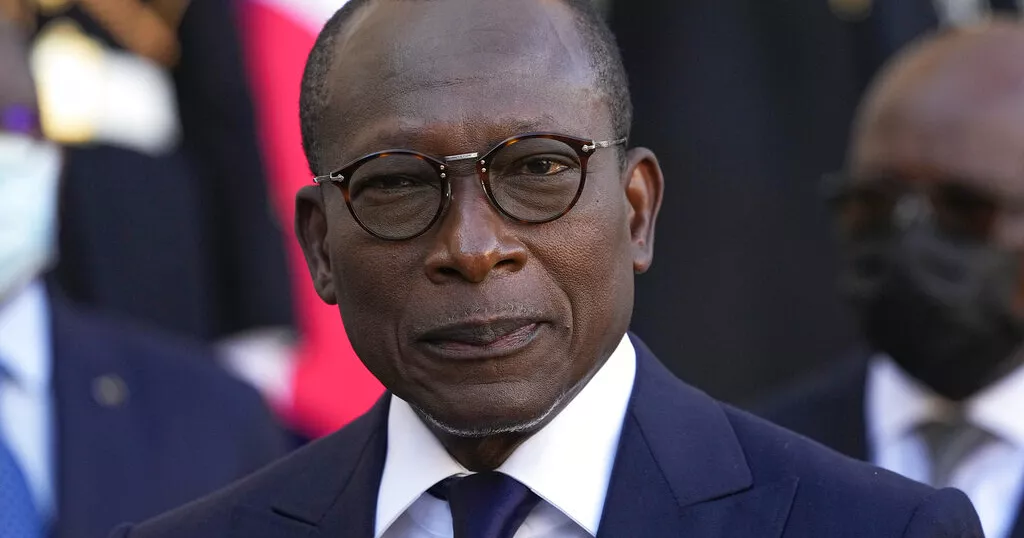
Addressing supporters on Friday, Hounkpé dismissed any notion of a foregone conclusion, likening the election to a decisive contest. “It’s a serious match,” he said, insisting that if elections were held immediately, his camp would emerge victorious.
Backing that optimism, FCBE party member Calixte Kounouvo said the campaign is focused on addressing key national concerns, including hunger, inclusivity, and economic challenges. According to him, the opposition offers “the best solution” to the country’s pressing issues.
The April 12 election is expected to mark Benin’s fifth democratic transfer of power since the introduction of multi-party democracy in 1990—a milestone that underscores the country’s reputation as a relatively stable democracy in West Africa.
However, the political landscape remains uneven. The major opposition party, the Democrats, was excluded from the race after failing to secure the required number of endorsements. Although it initially adopted a neutral stance, several of its senior members have since aligned with Wadagni, strengthening his position.
President Talon, who has completed the constitutionally permitted two five-year terms, is barred from seeking re-election. His endorsement of Wadagni has further cemented the perception of continuity in governance.

Wadagni, for his part, drew large crowds during a rally in Kandi, where he emphasized regional development and security—issues that have become increasingly urgent. Northern Benin has in recent years experienced spillover attacks linked to jihadist groups affiliated with Al-Qaeda, operating from neighbouring Burkina Faso and Niger.
Security concerns were further heightened following a failed coup attempt on December 7, when army mutineers briefly challenged the government before being subdued within hours. The operation reportedly received support from Nigeria and France.
Despite the unrest, legislative and local elections proceeded the following month, resulting in a sweeping victory for Talon’s ruling bloc, which effectively sidelined opposition voices in parliament.
As campaigning intensifies, the April 12 vote is shaping up to be a defining moment for Benin—testing not only the strength of its democratic institutions but also the electorate’s appetite for continuity versus change.