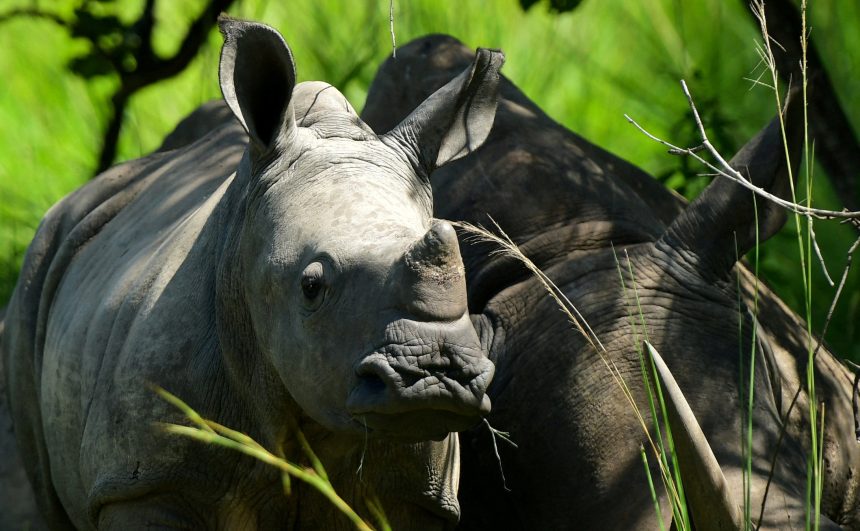
For the first time in over four decades, rhinos have returned to Kidepo Valley National Park, marking a major milestone in Uganda’s wildlife conservation efforts after the species was wiped out by poaching in the early 1980s.
On Tuesday, two southern white rhinos were successfully relocated to the park, becoming the first of eight animals planned for reintroduction by the Uganda Wildlife Authority (UWA). The move signals the beginning of a long-term plan to restore a species that once roamed freely across Uganda’s protected areas.
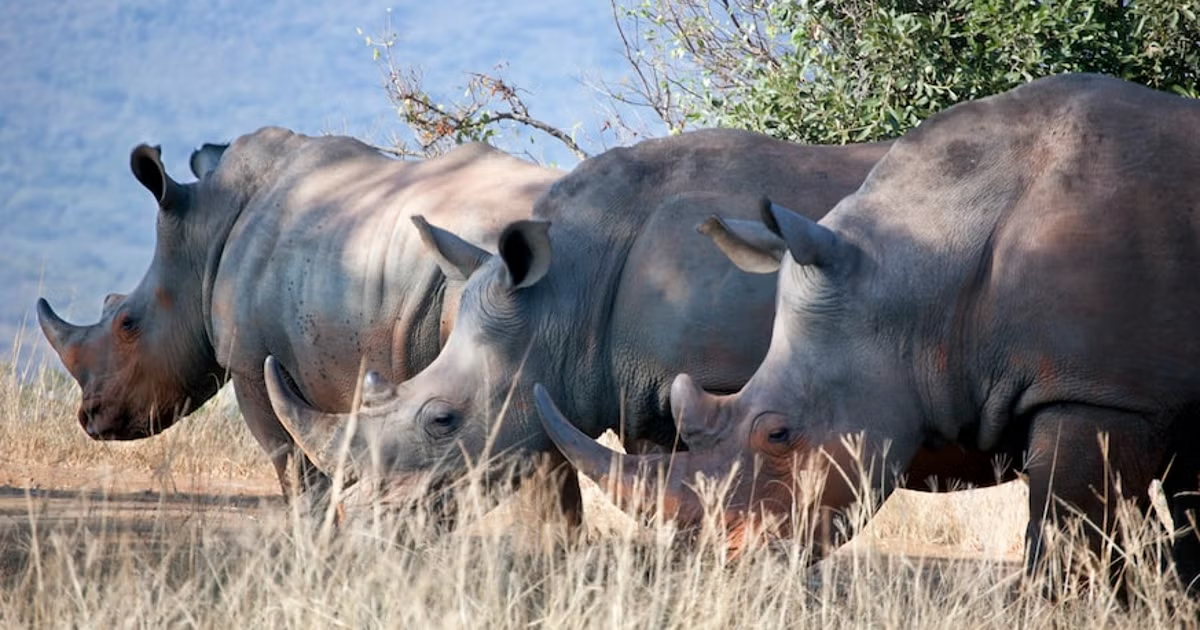
According to UWA, the last rhino in Kidepo was killed in 1983 during a turbulent period when rampant poaching decimated wildlife populations nationwide. At the time, Uganda’s national parks collectively supported an estimated 700 rhinos, all of which were eventually wiped out in the wild.
“This moment marks the beginning of a new rhino story for Kidepo Valley National Park,” said James Musinguzi, UWA’s Executive Director. “The translocation of these rhinos is the first step in restoring a species that once formed part of the park’s natural heritage.”
More Read

The reintroduction follows extensive research assessing habitat suitability, ecological requirements, and security conditions. Findings confirmed that Kidepo’s vast savannah landscape—located in the remote northeastern region of Uganda—offers one of the most viable environments for rhino recovery.
To support the initiative, UWA has established a high-security rhino sanctuary within the park. The facility includes perimeter fencing, ranger outposts, water systems, firebreaks, access roads, and advanced monitoring technology designed to protect the animals from poaching threats.
The two rhinos were transported from a private ranch in Nakasongola, about 100 kilometers north of Kampala. The ranch has played a critical role in rhino conservation since 2005, when it introduced four southern white rhinos from a Kenyan reserve and began breeding efforts.
More Read

Despite this progress, conservationists warn that poaching remains a persistent challenge. Ugandan authorities continue to arrest and prosecute individuals involved in illegal wildlife trade, including trafficking of ivory, pangolins, and rhino horns.
The demand for rhino horn—driven largely by its use in traditional medicine and as a status symbol in parts of Asia—continues to fuel illegal hunting across Africa.
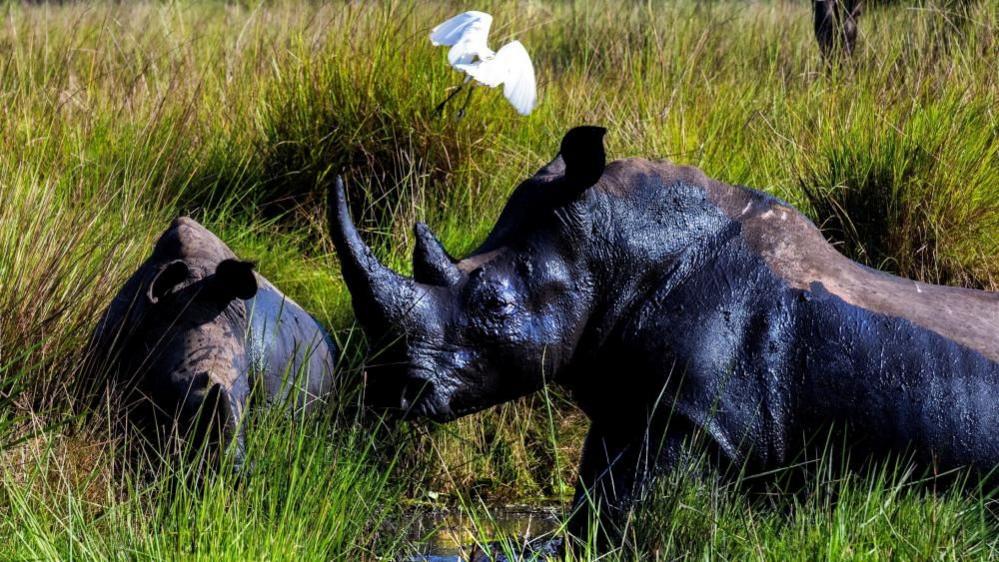
According to the International Union for Conservation of Nature (IUCN), the southern white rhino is currently classified as “near threatened,” with populations declining. A 2020 survey estimated that just over 10,000 individuals remain globally.
For Uganda, however, the return of rhinos to Kidepo represents more than conservation—it is a powerful symbol of ecological restoration and renewed hope for one of Africa’s most iconic species.