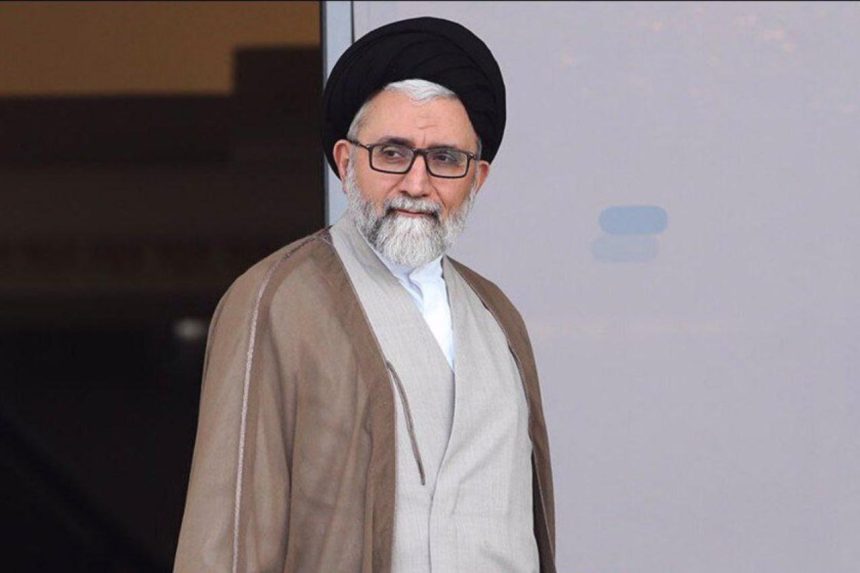
Tensions in the Middle East have reached a boiling point following reports that Iran’s intelligence minister, Esmail Khatib, has been killed in an alleged Israeli airstrike on the capital, Tehran.
According to statements attributed to Iran’s president, Masoud Pezeshkian, the country is now in “deep mourning” after what he described as a “cowardly assassination.” The president extended condolences to the Iranian people, adding that those who lost their lives were committed to defending the nation and that “their path will continue more steadfastly than before.”
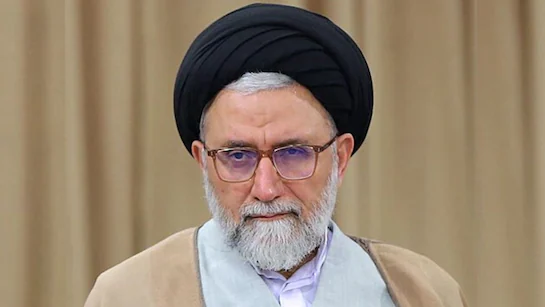
The development comes amid claims by Israel that it has intensified its campaign against senior Iranian officials. Israeli Defence Minister Israel Katz reportedly confirmed the operation, stating that the strike was part of a broader strategy targeting key figures within Iran’s security and intelligence structure. He added that such operations have been authorized at the highest level, including by Prime Minister Benjamin Netanyahu.
In a statement, the Israeli military said Iran’s intelligence apparatus had played a central role in what it described as repression and destabilizing activities, alleging that Khatib was instrumental in operations against protesters and foreign interests.
More Read

The reported killing follows a series of high-profile strikes that have allegedly claimed the lives of other senior Iranian figures, including Ali Larijani and Gholamreza Soleimani. Large crowds have since gathered in Tehran for mass funerals, reflecting the scale of the losses within Iran’s leadership circle.
Since the outbreak of hostilities, more than a thousand people are said to have been killed in strikes across Iran, with both civilian and military casualties reported. Independent monitors, including the Human Rights Activists News Agency, suggest the death toll could be significantly higher.
More Read
Iran has responded with retaliatory strikes across the region, with incidents reported in several countries, including Saudi Arabia, Iraq, and Qatar. Meanwhile, fresh attacks have also been reported inside Israel, resulting in casualties and heightened security alerts.
Beyond the battlefield, the global impact is already being felt. Oil prices have surged sharply amid concerns over disruptions in the Strait of Hormuz, a critical route for global energy supplies.
However, despite the intensity of these reports, independent verification from major international news organizations such as BBC News and Reuters remains limited at this time. Analysts are urging caution, noting that some of the claims—particularly regarding the scale of leadership losses—could not yet be fully confirmed.
As the situation continues to evolve, the world watches closely, with fears growing that the conflict could spiral into a wider regional or even global crisis.