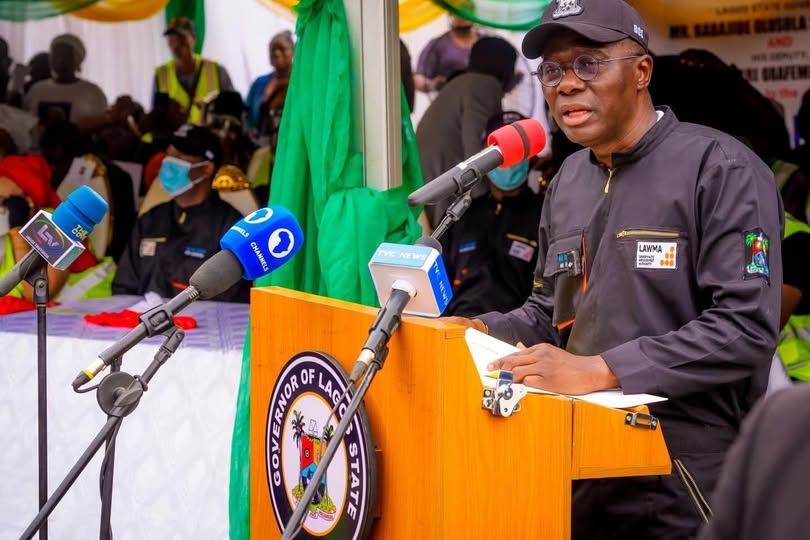
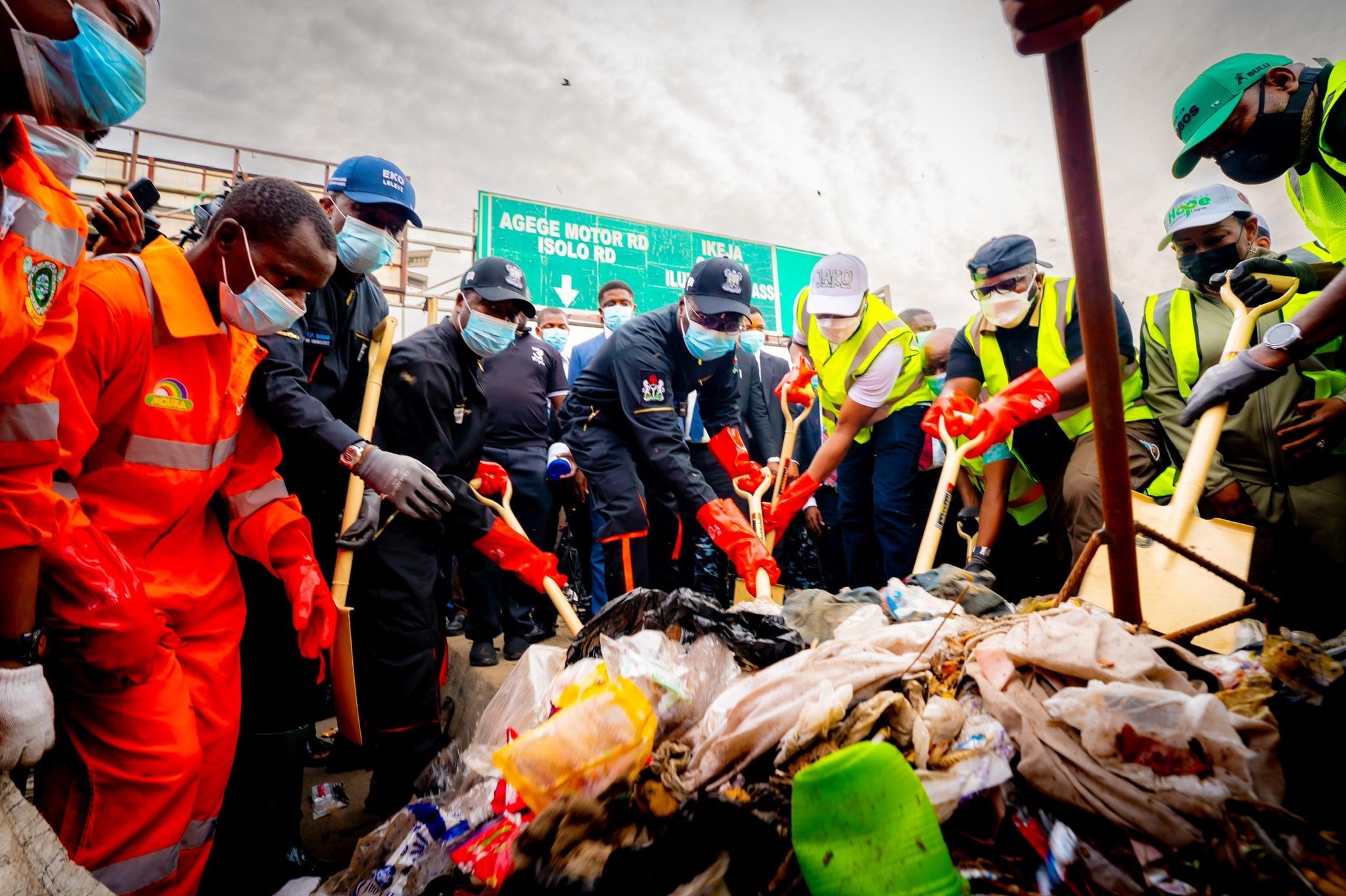
Babajide Sanwo-Olu, Governor of Lagos State, has officially flagged off the reintroduction of the state’s monthly environmental sanitation exercise, set to commence in April after nearly eight years of suspension.
The governor announced that the exercise would take place every last Saturday of the month from 6:30 a.m. to 8:30 a.m., urging residents to embrace the initiative as a collective responsibility to build a cleaner and healthier Lagos.
Speaking at a stakeholders’ engagement on environmental sanitation in Lagos on Saturday, Sanwo-Olu stressed that the initiative was not driven by politics but by the urgent need to restore environmental consciousness across the state.
“This exercise is not about politics or rivalry; it is about our collective responsibility to keep our environment clean, healthy and safe for everyone,” the governor said.
More Read

He explained that the reintroduced sanitation programme would reach all communities across the state and encourage residents to take greater responsibility for their surroundings.
According to the governor, maintaining a clean city cannot be achieved by government alone but requires consistent participation from citizens in their homes, markets, neighbourhoods and public spaces.
“A clean city is built every day by the actions of citizens—what we do in our homes, our markets, our communities and on our streets,” he said.
More Read

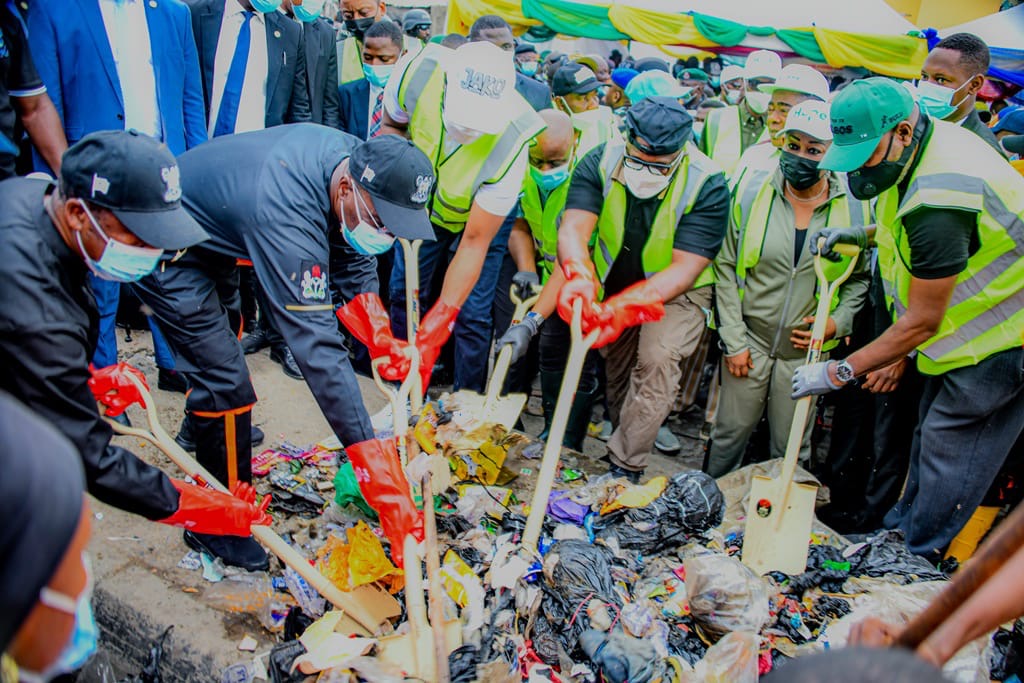
The monthly sanitation exercise in Lagos was suspended in November 2016 following a ruling by a Federal High Court which declared the restriction of movement during sanitation hours unconstitutional for violating citizens’ right to freedom of movement.
Following the judgment, former Lagos governor Akinwunmi Ambode formally cancelled the mandatory monthly cleanup exercise.
Sanwo-Olu acknowledged the court’s decision, noting that although movement restrictions were removed, the responsibility of residents to maintain a clean environment remained unchanged.
“We respect the rule of law and the authority of the courts. The enforcement mechanism may have changed, but the responsibility to maintain a clean and healthy environment has not changed and will never change,” he said.
He explained that the new approach would focus more on awareness, community partnerships and voluntary participation rather than strict enforcement.
More Read

The governor also raised concerns about indiscriminate dumping of waste such as water sachets, plastic bottles and food wrappers into drainage channels, warning that such practices worsen flooding and damage road infrastructure.
“When people dump solid waste into drainage channels, roads will continue to fail even after repairs because the drainage meant to protect them is clogged with waste,” he said.
Sanwo-Olu therefore called on community development associations, market leaders, youths, religious organisations and other groups to take ownership of environmental cleanliness in their communities.
“Clean Lagos begins with daily individual choices,” he said.
Earlier, the Commissioner for Environment and Water Resources, Tokunbo Wahab, praised the governor for reviving what he described as a long-standing culture of cleanliness in the state.
Wahab said the decision followed more than a year of consultations with stakeholders in the environmental management sector to ensure the exercise was reintroduced in a lawful and practical manner.
“This did not happen overnight. It took over a year of consultations and engagements for us to reach a consensus that it is time to bring back this important culture of environmental responsibility,” he said.
He appealed to residents to dedicate at least one or two hours each month to cleaning their homes, streets, businesses and neighbourhoods.
The commissioner also revealed that Lagos was transitioning from a traditional waste disposal system to a circular waste management model that treats waste as a resource capable of generating wealth, energy, fertiliser and recyclable materials.
According to him, the approach will not only improve environmental sustainability but also create new economic opportunities in the waste management sector.
Also present at the sensitisation programme were the Deputy Governor, Obafemi Hamzat, the Head of Service, Bode Agoro, and the Chief of Staff to the governor, Tayo Ayinde.