Washington, D.C. — The United States has issued a fresh and forceful warning to Iran as tensions in the ongoing war continue to escalate, with Defence Secretary Pete Hegseth urging Tehran to “choose wisely” or face renewed and intensified military action.
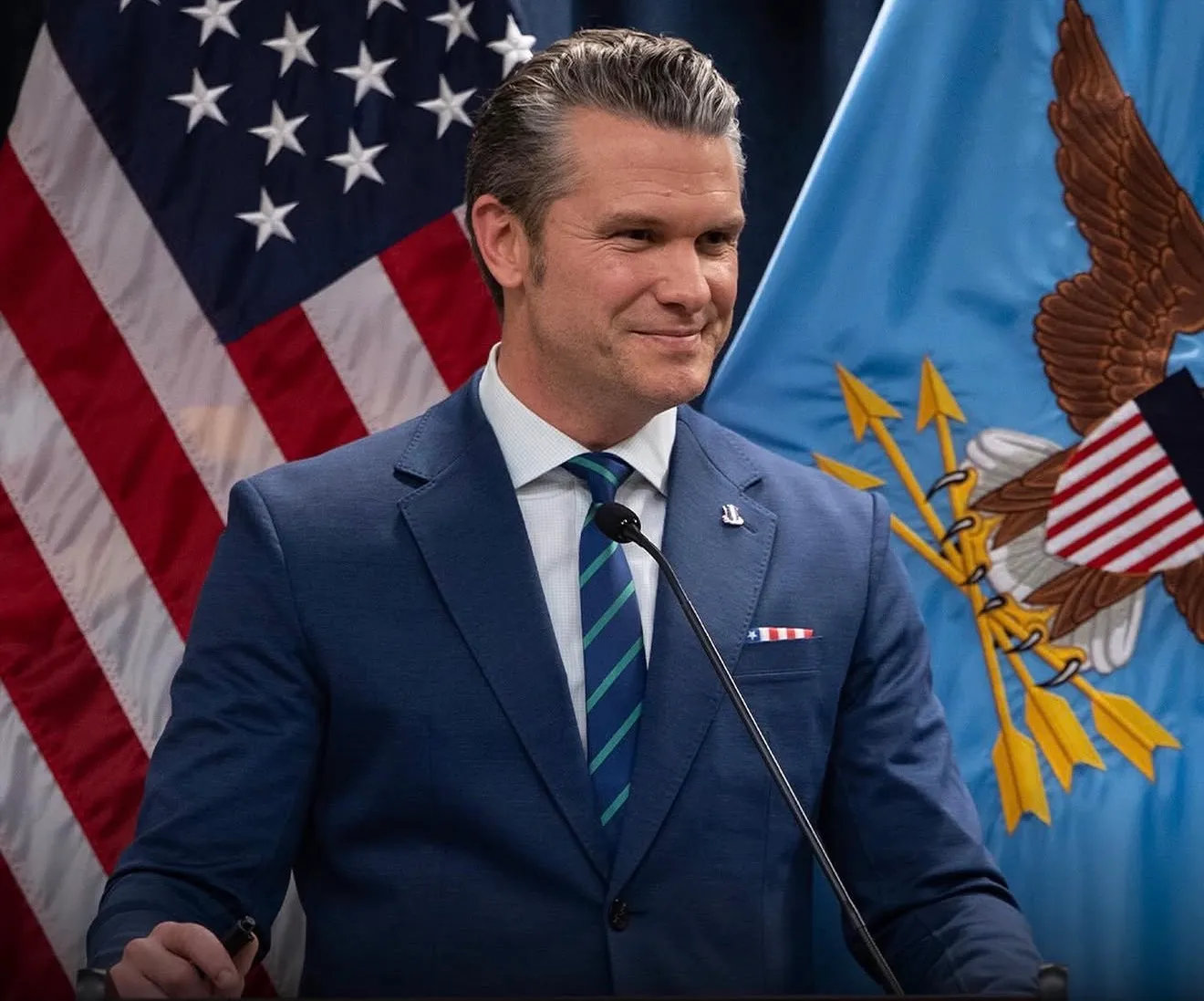
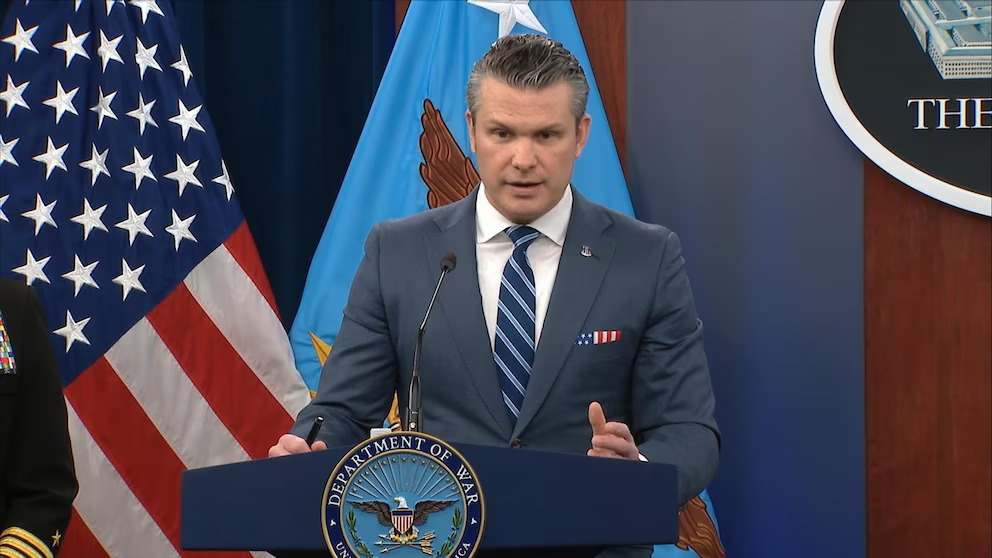
Speaking during a Pentagon briefing, Hegseth said American forces are fully prepared to resume large-scale operations if diplomatic efforts fail, stressing that the U.S. military remains “maximally postured” for combat.
The warning comes amid a fragile pause in hostilities and ongoing negotiations aimed at ending weeks of conflict that have already disrupted global energy supplies and heightened geopolitical instability.
US Ready to Escalate
Hegseth made it clear that the United States is not backing down, warning that failure by Iran to cooperate could trigger a new wave of strikes, potentially more powerful than earlier phases of the war.
He added that Washington would maintain its current military pressure—including a naval blockade targeting Iranian shipping—for “as long as it takes,” underscoring the administration’s determination to force a resolution on its terms.
The Pentagon chief also indicated that Iran’s current military capabilities have been significantly weakened, particularly its missile infrastructure, but warned that any attempt to rebuild or escalate could provoke swift retaliation.
Global Impact Deepens
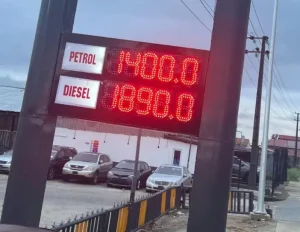
The conflict has already sent shockwaves across global markets, with disruptions to oil and fuel supplies pushing prices sharply higher and raising fears of wider economic fallout.
Shipping through the strategic Strait of Hormuz remains heavily affected, while energy shortages loom in parts of Europe due to blocked supply routes.
Diplomacy Still on the Table
Despite the tough rhetoric, diplomatic channels remain open. International mediators, including Pakistan, are working to revive negotiations between Washington and Tehran, with hopes of reaching a ceasefire agreement.
However, major sticking points—such as Iran’s nuclear programme and regional security demands—continue to complicate talks, leaving the situation highly uncertain.
A Critical Moment
Analysts say the coming days could prove decisive, as both sides weigh the costs of further escalation against the possibility of a negotiated settlement.
For now, the message from Washington is unmistakable: Iran faces a stark choice between de-escalation and confrontation—with potentially severe consequences if it chooses the latter.