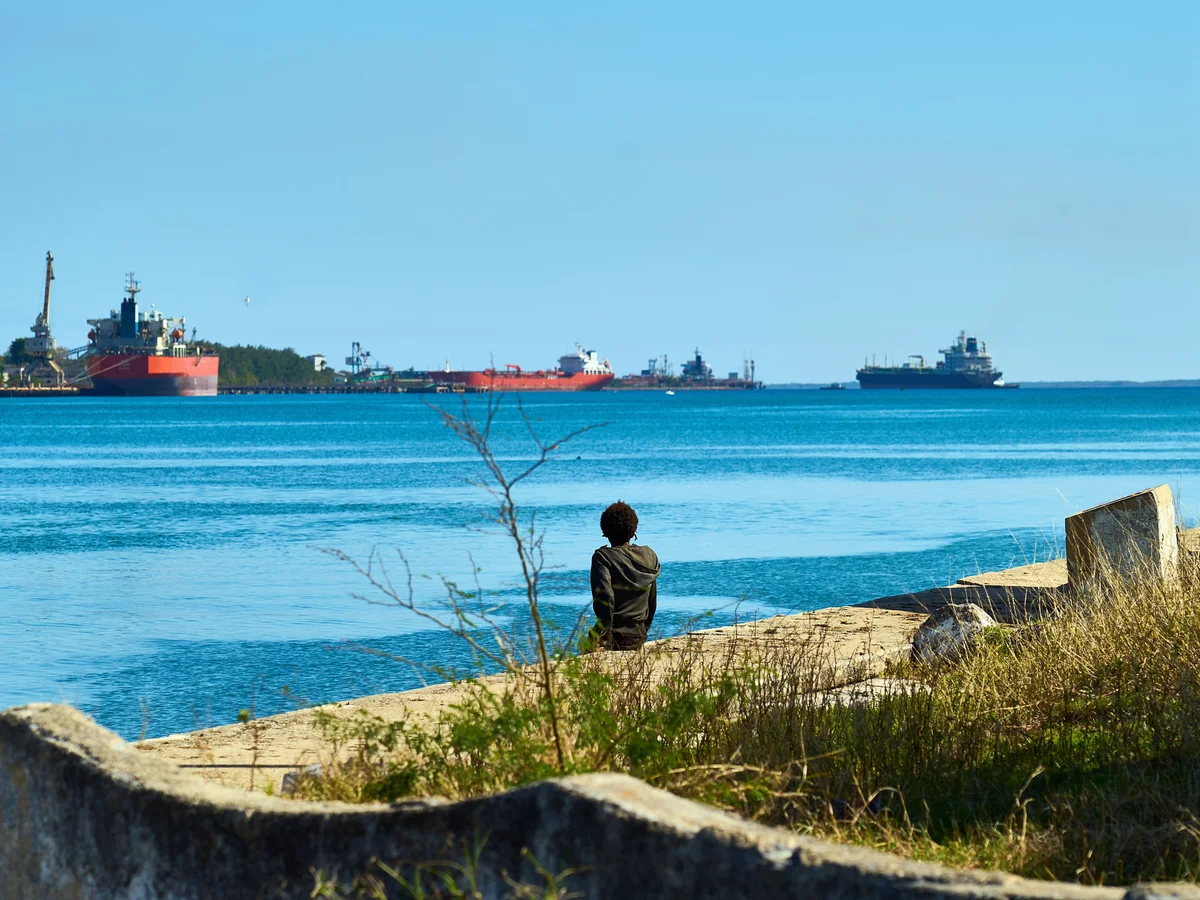
A Russian oil tanker has entered waters off Cuba carrying a major shipment of crude, offering the island a much-needed energy lifeline amid a deepening crisis marked by widespread blackouts and fuel shortages.
According to Russia’s Interfax news agency, the tanker Anatoly Kolodkin is transporting approximately 100,000 tonnes of crude oil in what Moscow has described as a “humanitarian shipment.” It is expected to offload at Cuba’s Matanzas terminal in the coming hours.
The delivery is the first of its kind since January and comes at a critical moment for the Communist-run island, which has been grappling with severe fuel shortages that have crippled electricity generation and strained essential services, including hospitals.
A Sudden Shift from Washington
The tanker’s arrival follows a surprising shift in tone from U.S. President Donald Trump, who said over the weekend that he had “no problem” with countries, including Russia, sending supplies to Cuba.
“We have a tanker out there. We don’t mind having somebody get a boatload because they need… they have to survive,” Trump told reporters aboard Air Force One.
His comments appear to signal at least a temporary easing of a de facto oil blockade imposed by his administration earlier this year, which had discouraged foreign suppliers from delivering fuel to Cuba. Just over a week ago, the U.S. Treasury had added Cuba to a list of countries barred from receiving Russian oil shipments, making the latest development all the more unexpected.
It remains unclear whether Trump’s remarks represent a broader policy reversal or a short-term humanitarian concession.
Energy Crisis Deepens
Cuba’s energy situation has deteriorated rapidly in recent months. The country has endured repeated nationwide blackouts as fuel shortages worsened existing structural weaknesses in its power grid.
Last week, the World Health Organization warned that the crisis was beginning to affect healthcare delivery, with hospitals struggling to maintain emergency and intensive care services due to unreliable electricity.
The situation was further exacerbated in January when U.S. forces seized Venezuelan leader Nicolás Maduro, a key ally of Havana who had long supplied Cuba with oil under highly preferential terms. The loss of Venezuelan support, combined with U.S. pressure on global suppliers, left the island increasingly isolated.
Russia Steps In
Russia has framed its intervention as a humanitarian response to Cuba’s plight.
“Cuba has found itself in a difficult situation as a result of sanctions pressure,” Russian Energy Minister Sergei Tsivilev said. “That is why we are currently sending humanitarian supplies.”
Beyond humanitarian concerns, the move underscores Moscow’s continued geopolitical interest in supporting Cuba, a long-standing ally dating back to the Cold War.
Limited Relief, Uncertain Future
While the incoming shipment is expected to provide temporary relief, analysts say it is unlikely to resolve Cuba’s broader energy and economic crisis, which has been building for years due to declining tourism revenues, post-pandemic recovery challenges, and domestic economic mismanagement.
Meanwhile, diplomatic tensions remain high. Talks between the Cuban government, led by President Miguel Díaz-Canel, and the Trump administration are ongoing but face significant obstacles. Both sides have drawn firm political and economic red lines, limiting prospects for a quick resolution.
Trump recently suggested he could “take” Cuba, while Cuban authorities have firmly rejected any externally imposed changes to their political system.
A Fragile Lifeline
For now, the Russian tanker represents a crucial, if temporary, reprieve for millions of Cubans facing daily power outages and shortages.
Whether it marks the beginning of a sustained easing of U.S. pressure or simply a one-off exception driven by humanitarian concerns remains to be seen.