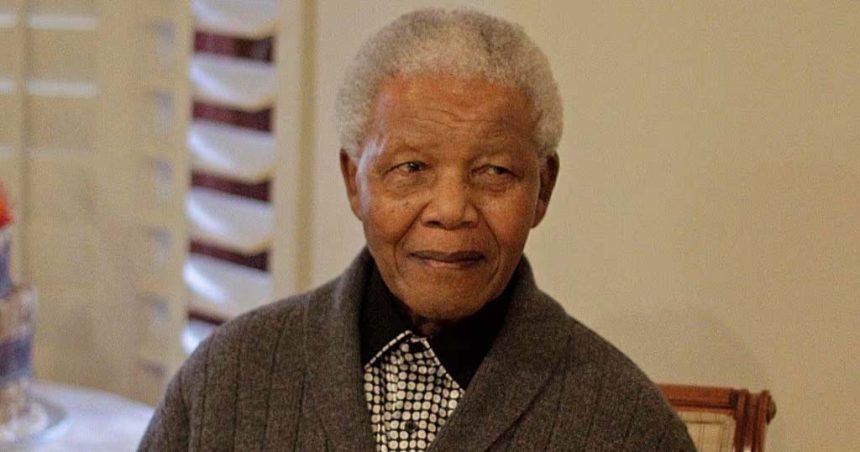
South Africa’s government has renewed its legal battle to prevent the auction in the United States of 29 personal items belonging to late former President Nelson Mandela, arguing that the objects form part of the country’s national heritage.
The matter is before the Constitutional Court of South Africa, which is hearing the case on Tuesday, September 8, 2026. The case is formally titled South African Heritage Resources Agency and Others v Makaziwe Mandela and Others.
The items at the centre of the four-year dispute include Mandela’s identity card, several of his iconic shirts, handwritten material and other personal belongings. Also involved is a key associated with his imprisonment on Robben Island, where Mandela spent 18 of his 27 years behind bars.
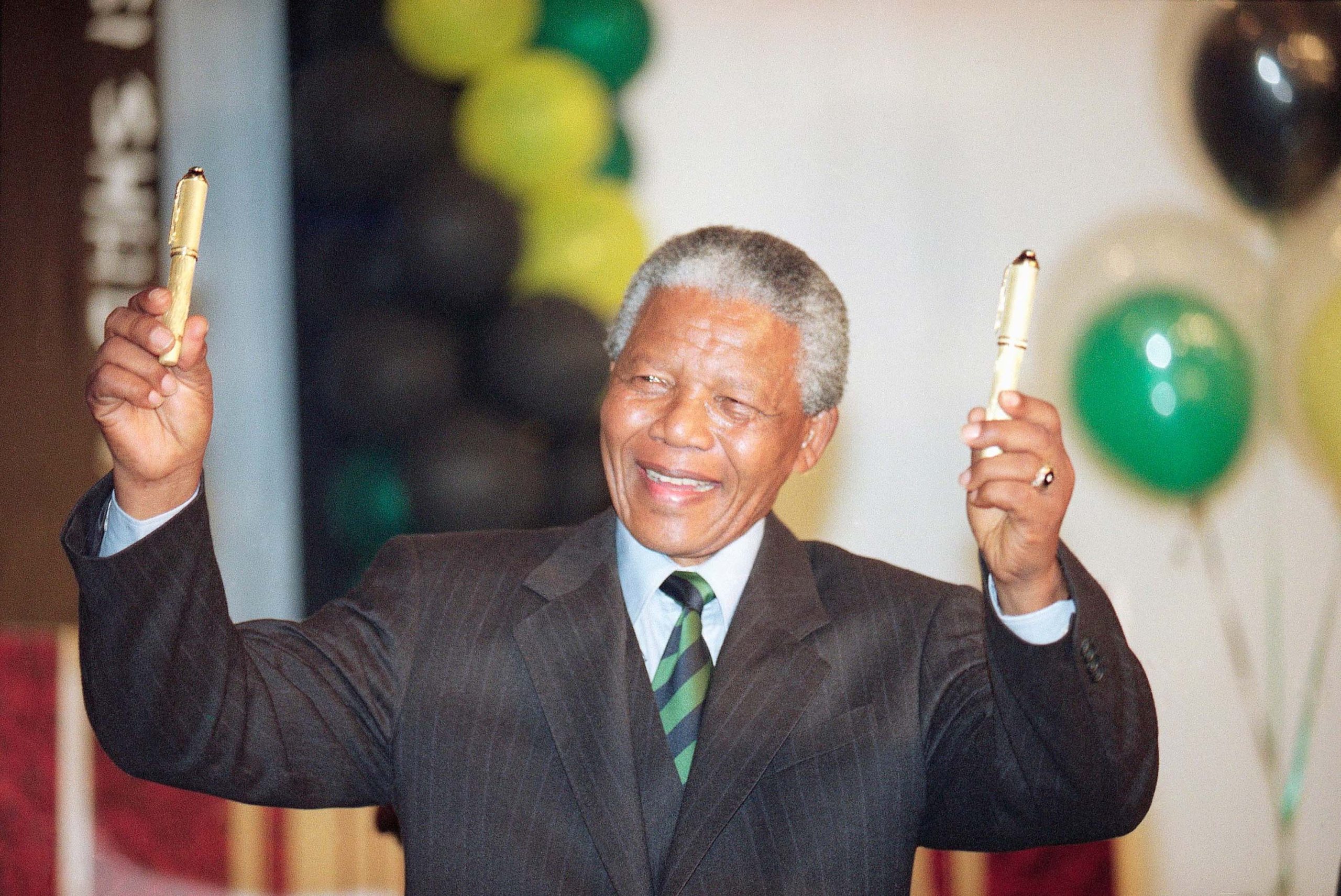
The South African Heritage Resources Agency (SAHRA), the Robben Island Museum and the Department of Sport, Arts and Culture are challenging the proposed sale. They maintain that the objects are heritage resources protected under South African law and that their removal from the country was unlawful because the required export permission was not obtained.
Four-year legal battle
The auction was initially announced in 2021 by New York-based Guernsey’s Auction House. SAHRA intervened in 2022, prompting the auction to be suspended.
The dispute subsequently moved through South Africa’s courts. In January 2026, the Supreme Court of Appeal dismissed SAHRA’s appeal, ruling that the heritage agency had failed to establish, on the evidence presented, that each of the disputed privately owned objects qualified as a heritage object under the National Heritage Resources Act.
The government has now taken the matter to the Constitutional Court in another attempt to stop the sale.
The court’s records show that the case is being heard on September 8, 2026.
Mandela family backs auction
Mandela’s eldest daughter, Makaziwe Mandela, authorised the auction. The proceeds are intended to help fund a memorial garden planned near her father’s grave in Qunu, where Mandela was laid to rest.
The collection also includes gifts and other objects associated with Mandela’s public life, including items linked to former US presidents Barack Obama and Bill Clinton.
The disputed Robben Island key has been particularly controversial. Court documents indicate that its ownership and historical significance have been contested, with the Supreme Court of Appeal finding that SAHRA had not provided sufficient admissible evidence to establish that the individual items met the legal definition of protected heritage objects.
A battle over Mandela’s legacy
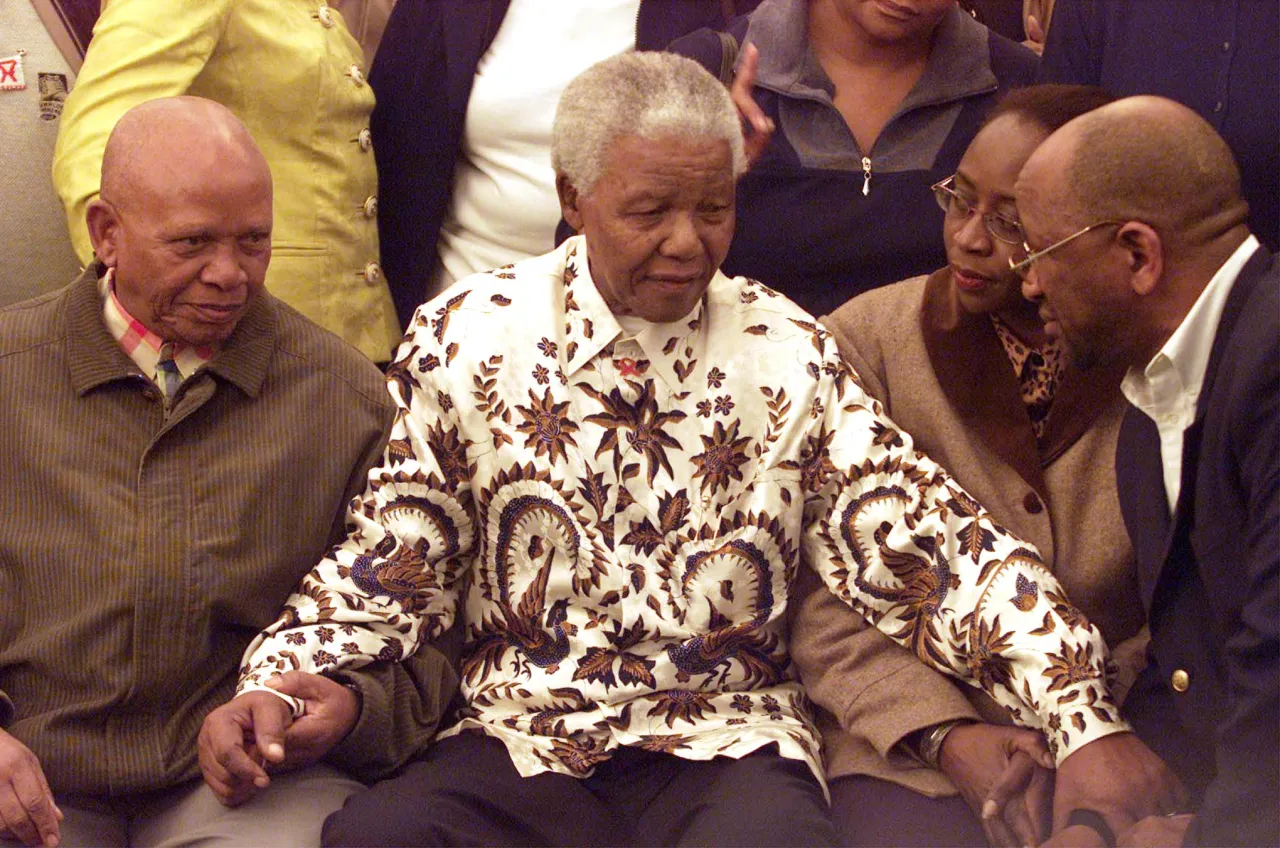
The case has raised a broader question over who should control and preserve objects connected to one of South Africa’s most important historical figures.
For the government, allowing the memorabilia to be sold overseas could mean permanently losing important pieces of the country’s history. For Mandela’s daughter and other respondents, the dispute involves privately owned property and the right to dispose of it.
Mandela became South Africa’s first democratically elected president in 1994 and served until 1999. He died in December 2013 at the age of 95.
The Constitutional Court’s decision could therefore have implications not only for the planned auction but also for how South Africa defines and protects privately owned objects associated with major figures in its history.